

Blog
How Proteins Turn Into Tools for Regeneration? Peptides: A Scientific Discovery Linking Nutrition and Modern Medicine
Dec
In recent years, interest in the term “peptides” (protein-based compounds) has increased in both medical and nutritional fields, especially with the widespread use of well-known peptide-based treatments such as Ozempic, insulin injections, and collagen peptides. This may lead some people to believe that peptides are a recent discovery or limited only to advanced drug therapies. However, the scientific reality is quite different.
Peptides are not a new invention. They are natural biological molecules found in both the human body and food, and they play essential roles in regulating appetite, blood sugar, inflammation, tissue repair, and the health of skin and joints.
Insulin itself is a peptide that regulates glucose entry into cells, and medications like Ozempic work by mimicking a naturally occurring peptide in the body known as GLP-1. Collagen peptides, on the other hand, are hydrolyzed forms of collagen protein used to support joints, skin, and connective tissues.
This growing interest in peptides reflects a deeper understanding of their role in supporting cellular function and their ability to influence body processes in targeted ways. However, peptides are not limited to medications or supplements; their biological pathways can also be supported through nutrition, lifestyle, and certain natural compounds, opening the door to a more comprehensive approach to health and cellular regeneration.
What Are Peptides?
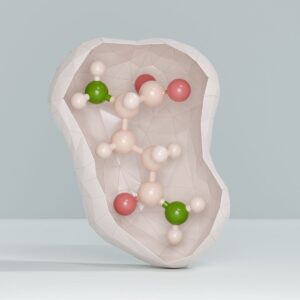
Peptides are short chains of amino acids, which are the basic building blocks of proteins. They can be viewed as smaller, more specialized forms of proteins. Their role goes beyond structural support or nutrition, as they perform precise regulatory functions within the body.
The main difference between proteins and peptides lies in their length and function. Proteins are longer chains and are mainly used to build tissues or supply amino acids, while peptides are shorter and act as bioactive molecules that directly influence key physiological functions such as hormone regulation, inflammation, immunity, and tissue repair.
Research has shown that many of the health benefits of dietary proteins do not appear until they are broken down into active peptides. These peptides are originally embedded within the protein in an inactive form and are released during digestion, food processing, or microbial fermentation, after which they begin exerting direct effects on the body.
Scientifically Studied Health Benefits of Peptides
Studies show that bioactive peptides provide health benefits that go beyond basic nutrition, including:
- Blood pressure support by inhibiting the ACE enzyme, particularly peptides found in milk, meat, and fish
- Improved gut health by strengthening the intestinal barrier and reducing harmful bacteria growth, even without full absorption, as some peptides act locally within the gut
- Reduced inflammation and oxidative stress, especially fish-derived peptides
- Antimicrobial properties identified in whey and fish peptides
Peptides work by binding to receptors on the surface of cells, leading to:
- Regulation of certain hormones, such as growth hormone
- Improved cellular energy production
- Support for tissue repair and reduction of age-related inflammation
Common Peptide Supplements and Their Health Effects

BPC-157: Tissue Repair and Digestive Support Peptide
BPC-157 is one of the most widely studied peptides in tissue repair. It is derived from a protein naturally found in gastric juice, while the therapeutic form is a more stable synthetic version.
Potential benefits include:
- Stimulation of growth factors involved in tissue repair
- Promotion of new blood vessel formation
- Regulation of inflammation
- Support of nitric oxide pathways related to tissue circulation
- Protection of the gastrointestinal lining
Potential uses:
- Muscle, tendon, and ligament injuries
- Delayed recovery after injury or surgery
- Gastric ulcers and intestinal inflammation
- Support of the gut–brain axis
Methods of use:
- Subcutaneous or intramuscular injection for systemic tissue repair
- Oral use, particularly for digestive healing due to high gastric stability
Common dosing:
- 250 mcg in the morning and 250 mcg in the evening
- Intermittent use (one day on, one day off)
- 6-week cycle followed by 4–5 weeks off
Contraindications:
Avoid during pregnancy and breastfeeding, in children, in active or recent cancer, in bleeding disorders, in use of blood thinners, in autoimmune conditions, or chronic medication use without medical supervision.
Glutamine Peptide: Gut, Brain, and Muscle Support
The body’s demand for glutamine increases during stress, illness, and injury. It is the primary fuel for intestinal cells and plays an important role in supporting both the nervous and muscular systems.
Benefits include:
- Supporting intestinal lining integrity and reducing gut permeability (leaky gut)
- Improving symptoms of IBS and diarrhea
- Supporting brain health and neurotransmitter balance related to anxiety and depression
- Reducing muscle breakdown and enhancing recovery
- Supporting immune function during stress
Common dosing:
- 5–10 grams daily, divided into two doses
Contraindications:
Use with caution in advanced kidney or liver disease.
Glutathione Peptide: The Master Antioxidant and Detox Support
Glutathione is a tripeptide produced inside cells and is one of the body’s most important antioxidants. It plays a central role in protecting cells and supporting detoxification processes.
Benefits include:
- Reducing oxidative stress and cellular damage
- Supporting liver health and detoxification
- Enhancing immune function
- Improving skin appearance and reducing pigmentation
- Supporting recovery after physical exertion
- Promoting overall health with aging
Common dosing:
- 250–500 mg daily
- Up to 1000 mg for skin support
Contraindications:
Use with caution in asthma, during pregnancy, or alongside certain medications.
Colostrum: Immune and Gut Health Support
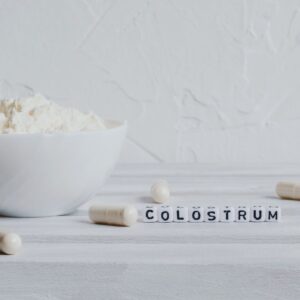
Colostrum is the first fluid produced after birth in mammals and is rich in antibodies, growth factors, and bioactive proteins. Bovine colostrum is used as a dietary supplement to support immunity and digestive health.
Benefits include:
- Enhancing immune function and reducing respiratory infections
- Supporting gut health and reducing intestinal permeability
- Improving beneficial gut bacteria balance
- Reducing inflammation and oxidative stress
- Supporting recovery after intense exercise
- Providing growth factors that support tissue repair
Many of these effects are due to its content of lactoferrin, immunoglobulins (IgG), and immune-regulating peptides.
Common dosing:
- 500–1000 mg, one to three times daily
- Low-heat–processed products are preferred
Contraindications:
Not suitable for individuals with milk protein allergy; use cautiously in severe lactose intolerance, pregnancy, breastfeeding, or hormone-sensitive cancers without medical supervision.
What Is the Best Alternative to Colostrum in Case of Dairy Sensitivity?
For individuals sensitive to milk proteins or unable to tolerate colostrum, lactoferrin is a suitable and better-tolerated alternative. It supports immunity and gut health, limits microbial growth, regulates inflammation, is virtually lactose-free, and does not contain hormonal growth factors. It can be used long-term at doses of 50–250 mg daily.
Collagen Peptides: Support for Joints, Skin, Gut, and Connective Tissue

Collagen peptides are hydrolyzed forms of collagen protein that are easy to absorb. They provide the amino acids needed to support joint health, skin, tendons, and connective tissues, improve tissue elasticity, and support repair processes. Typical use ranges from 5 to 10 grams daily.
For more details on how to choose the best collagen types, read the related article on collagen benefits and forms.
Natural Food Alternatives and Protein Sources That Support Peptide Pathways
- Eggs
- Milk and whey protein
- Meat
- Fish and marine sources (sardines, salmon)
- Legumes (lentils, chickpeas, beans)
- Oats
- Flaxseed and hemp seeds
- Bone broth
- Spinach and parsley
- Red cabbage
- Spirulina
- Sulfur-rich vegetables (broccoli, cauliflower)
- High-quality beef liver
Herbs That Support Natural Regeneration and Healing

These herbs do not contain peptides but support repair and healing processes:
- Slippery elm and marshmallow root for mucosal support
- Calendula for tissue healing
- Licorice root for inflammation regulation
- Turmeric and ginger for reducing systemic inflammation
Note: Avoid these herbs when using blood thinners, corticosteroids, or NSAIDs.
Conclusion
Peptides play a fundamental role in regulating cellular communication, tissue repair, and inflammation control. While they are an important part of regenerative medicine, many of their natural pathways can also be supported through proper nutrition, targeted nutrients, appropriate herbs, and a balanced lifestyle. This integrated approach helps the body restore its natural regenerative capacity in a safe and sustainable way.
If you’d like to learn more about the science-based strategies that can help you look 20 years younger than your age, watch the episode below on Dr. Fajer Al Jumairi’s YouTube channel.