

Blog
Is Your Gut Affecting Your Brain? The Hidden Link Between Leaky Gut and Neuroinflammation
Mar
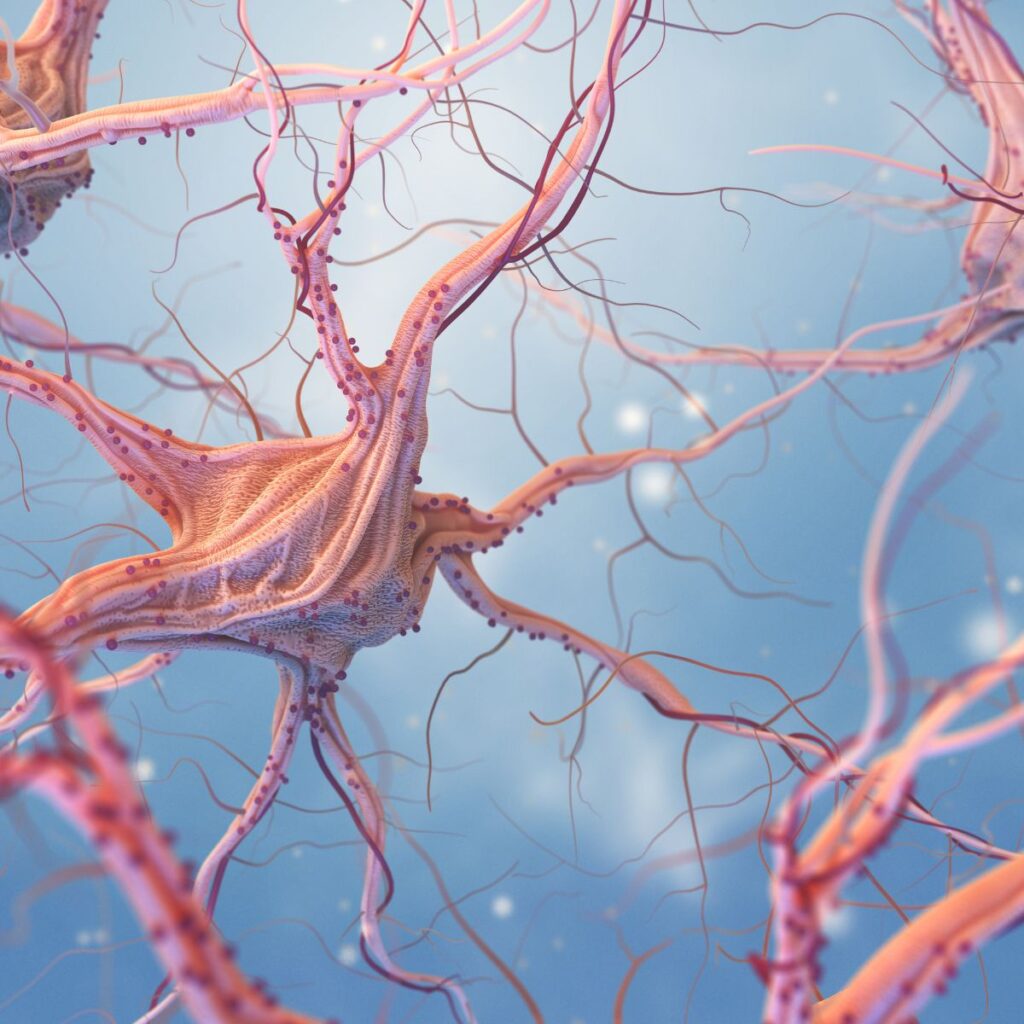
If you are dealing with unexplained pain, brain fog, low mood, fatigue, or poor focus, the problem may not start in your brain alone—it may begin in your gut, these symptoms are often treated as separate issues, but in many cases they are connected by one deeper root: chronic inflammation that start in your gut.
The gut has a protective barrier that is meant to keep bacteria, toxins, and inflammatory triggers out of the bloodstream, but chronic stress, food sensitivities, infections, environmental toxins, and nutrient deficiencies can weaken this barrier and lead to leaky gut. Once that happens, inflammatory signals can travel from the gut to the brain through the bloodstream and the gut-brain axis, activating immune cells in the brain and contributing to neuroinflammation. Over time, this low-grade inflammation may affect mood, energy, sleep, pain sensitivity, and mental clarity.
This is why taking care of your gut is not a luxury—it is one of the most important ways to protect your brain.
What Is Neuroinflammation?
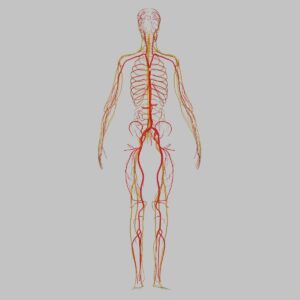
Neuroinflammation is a chronic inflammatory state inside the brain and nervous system. It happens when immune cells in the brain, especially microglia, become overactivated and start releasing inflammatory chemicals. Over time, this can affect neurotransmitters, brain energy production, sleep, mood, and cognitive function.
Neuroinflammation is commonly seen in conditions such as:
- Chronic fatigue syndrome
- Fibromyalgia
- Mold illness
- Depression
- Multiple sclerosis
- Neurodegenerative diseases (like Multiple Sclerosis)
- Neurological autoimmunity
This kind of inflammation does not always show up clearly in routine lab work, but it can still have a profound effect on how a person feels every day.
Common Symptoms of Neuroinflammation

The symptoms of neuroinflammation are often broad and confusing, which is why many people do not realize there is a pattern.
Common signs may include:
- Severe brain fog
- Fatigue or low stamina
- Memory loss or poor concentration
- Chronic pain or body weakness
- Depression, apathy, or mood swings
- Heightened skin sensitivity
- Sensitivity to strong smells or chemicals
- Neuropathy, numbness, dizziness, or vertigo
- Insomnia
- Adrenal or hormone imbalance
When these symptoms come together, it is worth looking beyond the brain itself and considering the possibility that the gut, immune system, and toxic load are involved.
The Three Main Root Causes of Neuroinflammation
1. Leaky Gut
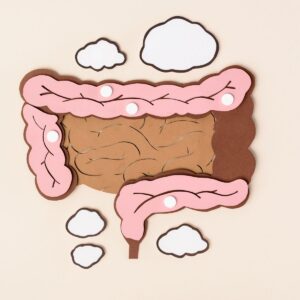
Leaky gut happens when the intestinal barrier becomes damaged and no longer works like a proper filter. Normally, it allows nutrients to enter the bloodstream while blocking toxins and harmful bacteria. But factors like stress, infections, poor diet, antibiotics, and nutrient deficiencies can weaken this barrier.
As a result, toxins can leak into the blood, triggering inflammation that may reach the brain and affect neurotransmitters. This can lead to symptoms like brain fog, fatigue, low mood, and poor focus. A healthy gut microbiome helps protect the brain by producing beneficial compounds like butyrate that reduce inflammation and support brain function.
2. Mold, Infections, and Biotoxins
Mold toxins, chronic infections, and biotoxins can also trigger long-lasting immune activation. Some people have difficulty clearing these compounds, which can leave the body stuck in a chronic inflammatory state. This can affect the hypothalamus, hormones, energy production, sleep, and pain pathways.
3. Environmental and Food Toxins
Heavy metals, pesticides, plastics, industrial chemicals, poor-quality food, and long-term toxic exposure can add to the body’s inflammatory burden. Toxins may damage mitochondria, impair dopamine pathways, stress the nervous system, and worsen both gut permeability and brain inflammation.
Practical Solutions: How to Calm Neuroinflammation by Healing the Gut
Now for the most important part: what to do. The first priority is to heal leaky gut, because if the gut barrier remains damaged, inflammation keeps feeding the brain.
Step 1:Remove Ongoing Triggers
A healing plan will not work well if inflammation is still being triggered daily.
Important triggers to reduce or address include:
- Ultra-processed food
- Added sugar
- Chronic sleep deprivation
- Chronic stress
- Food sensitivities
- Mold exposure
- Environmental toxins
- Repeated antibiotic use when unnecessary
- Poor meal timing and erratic eating patterns
If someone is living in a moldy environment, constantly exposed to chemicals, or eating a highly inflammatory diet, no supplement stack will fully solve the problem.
Safe Natural Binders You Can Use That Help Reduce Toxic Load?
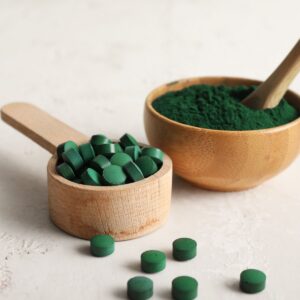
When toxins from mold, food, or the environment accumulate in the body, they can worsen inflammation and contribute to neuroinflammation. Binders are substances that attach to toxins in the gut so they can be eliminated through stool instead of being reabsorbed into the bloodstream.
Some of the safest natural binders include:
Fiber
Fibers from foods such as oats, barley, flaxseed, chia seeds, and guar gum help bind bile and metabolic waste in the digestive tract. This process supports toxin elimination and reduces overall inflammatory load. Modified citrus pectin is another fiber-based binder known for helping remove heavy metals.
Chlorella
Chlorella is a nutrient-rich freshwater algae that can bind heavy metals and certain mold toxins. It also provides antioxidants and nutrients that support immune health and detoxification.
Humic and Fulvic Acids
Found for example in pure shilajit, these natural compounds formed from decomposed plant matter can bind biotoxins while also providing trace minerals and anti-inflammatory support. Also they help in healing from leaky gut.
Probiotics
Certain probiotic strains, particularly Lactobacillus and Saccharomyces species, can attach to and neutralize some mycotoxins while improving gut microbiome balance.
Why Binders Matter
Many toxins released by the liver enter the gut through bile. Without binders, some of these toxins can be reabsorbed back into circulation. Binders help trap these compounds in the digestive tract so they can be safely eliminated, reducing toxic load, supporting gut healing, and lowering inflammatory signals that may affect the brain.
Step 2: Build a Diet That Feeds Anti-Inflammatory Bacteria
A healthy brain-supportive gut diet should be rich in soluble fiber, because this is what beneficial bacteria ferment to make butyrate and other protective compounds.
Start with gentle, gut-friendly sources and increase gradually.

Examples include:
- Cooked apples
- Pectin
- Inulin fiber (should be only introduce after healing from SIBO)
- Flaxseeds
- Chia seeds
- Oats
- Citrus peel
- Pomegranate seeds
- Pomegranate peel in appropriate traditional preparations
- Legumes, starting with about 1/4 cup daily if tolerated
Cooked apples can be especially helpful because they provide pectin, a soothing soluble fiber. Chia and flax can also be useful, but they should be introduced slowly, especially in people with sensitive digestion.
The key here is not to overload the gut immediately. Build slowly so the microbiome can adapt.
Step 3: Increase Polyphenols
Polyphenols are plant compounds that help beneficial microbes grow and reduce oxidative stress.
Common sources include:
- Tea
- Coffee
- Fruits
- Vegetables
- Herbs
- Spices
These compounds help shape a healthier microbiome and may reduce some of the inflammatory signaling that contributes to neuroinflammation.
Step 4: Include Fermented Foods and Microbiome Support

Fermented foods can help support microbial diversity and produce beneficial metabolites that affect both gut and brain.
Examples include:
- Yogurt
- Kefir
- Sauerkraut
- Kimchi
- Fermented vegetables
In some people, especially those with severe dysbiosis or histamine sensitivity, fermented foods may need to be introduced carefully. But for many people, they are a useful part of a long-term gut-brain healing approach.
Step 5: Focus on Gut Barrier Repair
If you suspect neuroinflammation, do not jump straight into “brain supplements” alone. Start by improving the intestinal barrier and calming gut inflammation.
Example of nutrients that may support the gut barrier are: L-glutamine and Zinc Carnosine. This is the foundation. You cannot fully calm brain inflammation if the gut continues sending inflammatory signals every day.
Step 6: Lifestyle Foundations That Directly Support the Brain–Gut Axis
The basics matter more than most people think. Daily habits shape the microbiome, immune signaling, and nervous system tone.
Practical steps include:
- Eat more fiber-rich plant foods
- Drink enough water
- Stay physically active
- Improve sleep quality
- Manage stress intentionally
- Reduce ultra-processed foods and added sugar
- Keep regular meal timing
These may sound simple, but they are biologically powerful. They reduce inflammatory load and help restore rhythm to the gut-brain axis.
Best Supplements for Neuroinflammation Support
Supplements are not the first step, but they can be very useful once diet and gut repair are underway. Since you wanted the solution section detailed, here is a clearer version of the list you provided.
Astragalus
Often used for immune support and anti-inflammatory effects. It may also help support cellular resilience and recovery.
Typical dose: 1000–2000 mg daily
Important caution: It may not be appropriate in autoimmune disease such as MS, rheumatoid arthritis, or lupus because it may stimulate immune activity. It should also be avoided in pregnancy and breastfeeding, and used carefully with immunosuppressants or blood pressure medications.
Curcumin

A strong anti-inflammatory compound from turmeric that may help modulate pathways involved in both gut and brain inflammation.
Typical dose: 1000–2000 mg daily
Alpha-Lipoic Acid (ALA)
Supports mitochondrial function, helps reduce oxidative stress, and may be helpful in inflammation affecting nerves and brain tissue.
Typical dose: 1000–1200 mg daily
Caution: Use carefully in thyroid disorders, avoid before surgery, and be cautious with blood thinners. Safety in pregnancy and breastfeeding is not well established.
Omega-3
Helps regulate inflammation, supports brain membranes, and may improve mood and neuroinflammatory balance.
Typical dose: 3 grams daily for around 3 months
Neurobion
Can be useful when B vitamin support is needed, especially for nerves and energy metabolism, depending on the formula and the person’s needs.
Ginkgo Biloba
May support blood flow to the brain, memory, and cognitive performance.
Typical dose: 125 mg three times daily
Caution: Avoid with bleeding disorders, anticoagulants, before surgery, in seizure disorders, and use carefully with diabetes, antidepressants, and blood pressure medications.
L-Theanine
A calming compound found in green tea and matcha. It can cross the blood–brain barrier and may support relaxation, memory, and antioxidant activity in the brain.
Typical dose: 500 mg daily
Note: Best used carefully and individually, especially if someone is sensitive to calming supplements.
Lion’s Mane Mushroom
May support nerve growth, brain function, and cognitive resilience.
Typical dose: 250 mg three times daily
Thiamine (Vitamin B1)
Important for brain energy metabolism, oxygen use, neurotransmitter balance, and nervous system support. It may also help some people with IBS and constipation.
Typical dose: 100 mg daily
NAC (N-Acetylcysteine)
A precursor to glutathione, one of the body’s most important antioxidants. NAC may support detoxification, help protect the blood–brain barrier, and reduce oxidative stress in the brain.
Typical dose: 600 mg daily
Berberine
Can help support metabolic health, microbial balance, and inflammation control.
Typical dose: 500 mg, two to three times daily
GABA
May support relaxation and help calm immune reactivity in the brain in some individuals.
Typical dose: 400 mg daily, often used in liposomal form
Caution: Should be used carefully and individually.
Magnesium

Helps regulate stress responses, supports blood vessel flexibility, and may reduce neurotoxicity. Glycinate and threonate are often preferred forms.
Creatine
Creatine helps improve ATP availability in the brain, supports GABAergic signaling, and may reduce excitotoxic stress.
Typical usage:
- Creatine: 3–5 g daily
Final Thoughts
If you are struggling with brain fog, fatigue, pain, low mood, poor sleep, or unexplained neurological symptoms, do not ignore your gut.
Taking care of your gut is not a luxury. It is brain care.
The gut microbiome, intestinal barrier, immune system, and nervous system are deeply connected. When the gut becomes inflamed and permeable, the brain often pays the price. But the reverse is also true: when the gut is supported, inflammation lowers, microbial balance improves, and the brain often begins to function better too.
Start with the basics. Heal the gut barrier. Feed beneficial bacteria. Remove ongoing triggers. Support the nervous system. Then use supplements strategically, not randomly.
That is how real healing begins.
If you need more detailed informations on how to heal leaky gut, you can watch the full video below on Dr.Fajer’s YouTube Channel: