

Blog
Heavy Hair Loss? The Cause Might Be in Your Gut (SIBO Symptom)
Mar
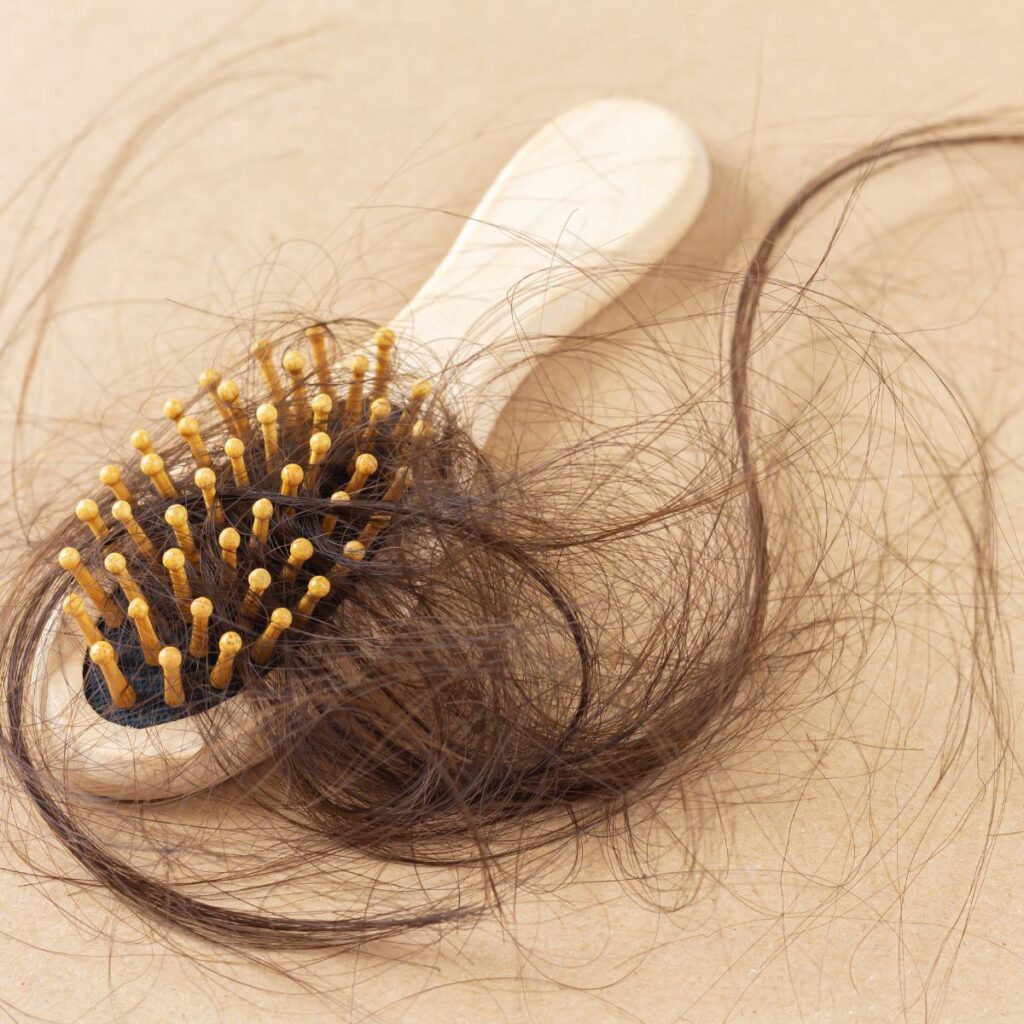
Are you experiencing hair loss or thinning without a clear reason, despite trying oils, shampoos, and external treatments with no real results?
The truth many overlooks is that hair health doesn’t start at the scalp — it starts in the gut.
Today, hair loss is no longer just a cosmetic issue. It is directly linked to digestive health, which plays a crucial role in nutrient absorption, inflammation regulation, and hormonal balance.
When this delicate system is disrupted, problems begin to appear gradually — and hair loss is often one of the first signs.
This is especially common in conditions such as IBS (SIBO), leaky gut, or chronic bloating, where poor absorption of key nutrients like iron, zinc, and vitamin D occurs, alongside increased inflammation and scalp issues such as dandruff and psoriasis.
Studies suggest that up to 76% of patients with inflammatory bowel conditions experience hair loss during flare-ups, highlighting that the issue is much deeper than it appears.
SIBO: The Hidden Infection Behind Your Hair Loss
SIBO (Small Intestinal Bacterial Overgrowth) is a condition where excessive bacteria grow in the small intestine, affecting digestion and overall health.
Although it is considered a digestive disorder, its impact extends to:
- Skin
- Hair
- Hormones
How Does SIBO Cause Hair Loss?
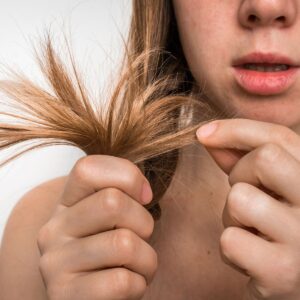
When digestion is impaired due to SIBO, hair is affected in several ways:
1. Poor Protein Digestion (the most important nutrient for thick hair)
- Low stomach acid impairs protein breakdown
- Reduced absorption of amino acids needed for hair structure
- Weak keratin production (the main component of hair)
Result: Weak, easily shedding hair
2. Poor Absorption of Healthy Fats
Reduced bile salts (affected by SIBO’s impact on the liver) impair absorption of essential fatty acids needed for scalp health and hair hydration.
Result: Dry, brittle, easily breakable hair
3. Lack of Digestive Enzymes
- Reduced ability to extract nutrients from food
4. Gut Microbiome Imbalance
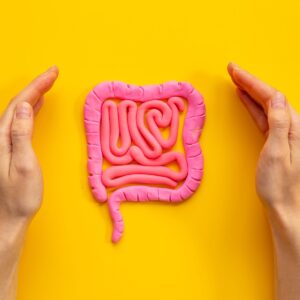
- Affects vitamin production
- Disrupts internal balance
- Can lead to leaky gut and toxin leakage into the bloodstream
All of the above lead to:
- Deficiencies in key nutrients: biotin, B12, iron, zinc
- Chronic inflammation reaching the scalp
- Hormonal imbalances
Which ultimately result in hair loss (Telogen Effluvium).
Signs Your Hair Loss Is Gut-Related
- Digestive issues before hair loss began
- Sudden or excessive shedding
- Nutrient deficiencies despite good diet and supplementation
Is SIBO-Related Hair Loss Treatable?
Yes. In most cases, hair loss can be reversed if the root cause — such as SIBO — is treated.
A comprehensive approach is essential, including:
- Improving gut health
- Correcting nutrient deficiencies
- Supporting scalp and hair directly
Expected Timeline
- Reduced shedding within a few months
- New hair growth in 3–6 months
- Noticeable improvement within 6–12 months
Why Does It Take Time?

Because hair follows a growth cycle with 3 phases:
- Anagen (growth): 2–7 years
- Catagen (transition): 2–3 weeks
- Telogen (rest): 3–4 months
Even after gut healing, you must wait for a full hair cycle to see results.
Diagnosis & Treatment of SIBO-Related Hair Loss
Diagnosis:
- Breath test (Hydrogen & Methane)
- Vitamin and mineral testing
- Gut microbiome analysis (if available)
Hair Loss Natural Treatments (Overview):
- Targeted antibiotics or herbal antimicrobials
- Probiotics
- Gut-repair supplements (licorice, omega-3, L-glutamine)
- Nutrient repletion
The Practical Solution: Treat Hair Loss from the Root
First and most important: Heal your gut
- Avoid trigger foods: gluten, dairy, sugar, corn, soy, hydrogenated oils
- Eat probiotic-rich and fiber-rich foods (fermented foods, miso, acacia fiber)
- Improve stomach acid: diluted apple cider vinegar before meals may help

Best Foods for Healthy Hair
Focus on anti-inflammatory, easy-to-digest foods:
- Salmon and fatty fish
- Olive oil and black seed oil
- Turmeric and ginger
- Berries and chamomile tea
Key Nutrient-Dense Foods (after gut repair):
- Egg yolks
- Liver
- Nuts
- Chia seeds
- Lentils and chickpeas
- Moringa
- Amla
- Nutritional yeast
- Green juice
- Brazil nuts (2 per day only)
Effective Supplements for Hair Density & Strength
- Bamboo Silica
Supports hair thickness, strength, and shine - L-Cysteine
Essential amino acid for keratin production, reduces breakage - Horsetail Extract
Rich in silica, improves hair thickness (typically ~20 drops daily for 3 months) - Pumpkin Seed Oil
Helps reduce hormonally related hair loss (1 capsule daily) - Correct Deficiencies (Very Important)
Treating deficiencies in iron, zinc, and vitamin D is essential, as they may be the primary cause of hair loss — even when using other supplements.
Herbal Teas for Hair Strength
- Nettle tea (rich in silica)
- Rosemary + mint (improves circulation)
- Chaga mushroom (natural alternative for hair loss support)
External Hair Care Routine
External care plays a supportive role alongside internal treatment:
- Use shampoos containing ginseng or caffeine to stimulate hair follicles
- Use Nizoral shampoo twice-weekly if dandruff or fungal issues are present
- Regular scalp massage to improve blood flow and nutrient delivery
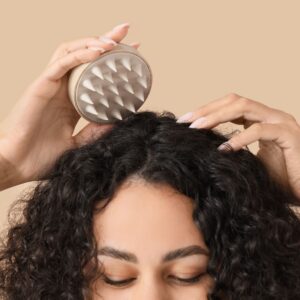
Dr. Fajer’s Natural Oil Blend
A powerful mix to nourish and strengthen hair:
- Sesame oil
- Castor oil
- Coconut oil
- Amla oil
- Rosemary oil
How to use:
Massage the scalp for 15 minutes, 3–4 times per week.
Note:
Do not leave oils on the scalp for more than 4 hours to avoid clogged pores or irritation, especially for sensitive scalps.
Conclusion
If you’re struggling with hair loss…The solution isn’t just in oils or shampoos.
Start from within. Healing SIBO and restoring gut health may be the real key to regaining your hair density.
if you need more information about how to treat hair loss from the root you can watch the full video below on Dr.Fajer AlJumairi’s YouTube Channel: