

Blog
Berberine or “Nature’s Ozempic”: for Gut Repair, SIBO, and Weight Loss
Mar
Berberine has recently emerged as one of the most powerful natural supplements for improving gut health, supporting weight loss, and regulating blood sugar. Often referred to as “nature’s Ozempic,” it works through a completely different mechanism—targeting metabolism and gut function at the root level rather than simply suppressing appetite.
Derived from plants such as barberry, goldenseal, and Oregon grape, berberine has been used in traditional medicine for over a thousand years. Today, modern research supports its role in metabolic health, cardiovascular protection, and microbiome balance, making it a key tool in functional medicine approaches to conditions like SIBO and insulin resistance.
How Berberine Works in the Body
Berberine’s primary mechanism is the activation of AMPK, often called the body’s “metabolic master switch.” This enzyme regulates how your body produces and uses energy.
Through this pathway, berberine helps:
- Improve insulin sensitivity
- Increase fat burning at the cellular level
- Enhance glucose uptake into cells
- Support overall metabolic balance
Unlike GLP-1 medications, which act mainly on appetite hormones, berberine works deeper at the cellular and mitochondrial level.
Berberine for Weight Loss and Metabolism
One of the most searched benefits of berberine is its role in weight loss. While it is not a rapid fat-loss solution, it supports sustainable metabolic improvement.
Clinical evidence suggests:
- A daily dose of around 1,000 mg may reduce BMI and waist circumference
- Results typically appear after at least 8 weeks
- Effects are linked to improved fat metabolism and insulin regulation
Berberine also enhances brown adipose tissue activity, which plays a role in calorie burning. This makes it particularly useful for individuals with metabolic resistance or difficulty losing weight.
Berberine and Gut Health: A Comprehensive Approach
When discussing gut health, many people think only about digestion.
However, the gut plays a much broader role — it regulates inflammation, immunity, metabolism, and even how the body responds to food and supplements.
This is where berberine stands out, not because it targets a single pathway, but because it improves the gut environment from multiple angles at the same time.
1. Berberine and the Gut Microbiome
The gut microbiome is central to overall health, influencing inflammation, metabolic function, and immune balance.
Berberine interacts directly with this system by helping to rebalance gut bacteria:
- Reduces harmful bacteria associated with inflammation and metabolic disorders
- Increases beneficial strains such as Akkermansia and Bacteroides
These beneficial bacteria support:
- Blood sugar regulation
- Fat metabolism
- Reduction of inflammation
- Gut lining repair
Because of these effects, berberine is commonly used as a natural antibiotic in protocols targeting SIBO (Small Intestinal Bacterial Overgrowth) and Candida overgrowth.
Unlike many conventional antimicrobial approaches, berberine helps control harmful microbes while preserving beneficial bacteria — a key advantage.
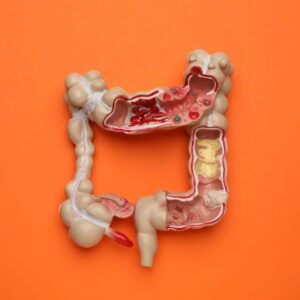
2. Supporting Gut Balance in Inflammatory Conditions
In inflammatory gut conditions, the balance between protective mechanisms and harmful bacteria is disrupted.
Berberine supports recovery by:
- Improving the composition of gut bacteria
- Reducing inflammation
- Strengthening the gut barrier
This combination can help reduce symptoms and support gut healing.
3. Strengthening the Gut Barrier (Leaky Gut Support)
A weakened gut lining (often referred to as “leaky gut”) allows toxins to pass into the bloodstream, triggering systemic inflammation.
Berberine helps address this by:
- Strengthening the intestinal barrier
- Reducing gut permeability
- Supporting the production of beneficial compounds such as butyrate
Butyrate is essential for:
- Maintaining gut lining integrity
- Reducing inflammation
- Improving insulin sensitivity
By promoting butyrate-producing bacteria, berberine indirectly improves both gut and metabolic health.
4. Regulating Inflammation and Immune Function
70% of the immune system resides in the gut.
Berberine supports immune balance by:
- Enhancing beneficial immune activity
- Helping the body control harmful microbes
- Reducing inflammatory markers
5. Impact on Gut Hormones and Metabolism

The gut produces hormones that regulate appetite and metabolism.
Berberine influences these hormones, leading to:
- Better appetite control
- Improved blood sugar balance
This partially explains its role in weight management and healing from insulin resistance.
What Makes Berberine Unique
Berberine does not act like a typical supplement that targets a single function.
Instead, it works through a gut-centered system, where it simultaneously:
- Rebalances gut bacteria
- Strengthens the gut lining
- Reduces inflammation
- Improves metabolic function
Rather than directly feeding beneficial bacteria, berberine creates an environment that allows them to grow naturally.
Cardiovascular Benefits of Berberine
Recent research has highlighted berberine’s role in heart health. A 2023 meta-analysis of 44 clinical trials showed that it may:
- Reduce inflammatory markers such as CRP, IL-6, and TNF-alpha
- Improve outcomes after stroke
- Decrease plaque buildup in arteries
- Support cholesterol balance
While it does not replace statins, berberine can be a useful complementary option, especially for individuals who experience side effects from conventional medications.
Berberine: Dosage, Timing, and How to Use
Most clinical studies use a total daily dose of 1,000–1,500 mg, divided throughout the day.
A typical approach:
- 500 mg with breakfast
- 500 mg with lunch
- 500 mg with dinner
Taking berberine before or with meals—especially meals containing carbohydrates—helps improve blood sugar control and reduces digestive discomfort.
It is recommended to start with a lower dose (such as 500 mg daily) and gradually increase it. This helps the body adjust and minimizes temporary side effects like bloating or changes in bowel habits.

When Will You See Results?
The timeline varies depending on the goal:
- Blood sugar: noticeable within 1–2 weeks
- Cholesterol: typically 6–12 weeks
- Weight and metabolism: several months
Consistency is more important than taking high doses.
Safety, Side Effects, and Who Should Avoid It
Berberine is generally well tolerated, but some individuals may experience:
- Nausea
- Bloating
- Abdominal discomfort
- Diarrhea
- Headaches
These effects are usually temporary during the initial phase. However, caution is required in certain cases.
Avoid or use only under medical supervision if you:
- Are pregnant or breastfeeding
- Have liver disease
- Are giving supplements to children\
- Those taking diuretics
Berberine may also interact with:
- Diabetes medications
- Blood pressure drugs
- Blood thinners
Since it can enhance their effects, it may lead to low blood sugar or low blood pressure if not monitored.
Best Practices for Using Berberine
To ensure safe and effective use, it is recommended to:
- Take periodic breaks after several months of continuous use
- Reassess blood markers, especially when using it for metabolic or cardiovascular support
- Review its use with a qualified healthcare professional
Best Form of Berberine
The most commonly studied and widely used form is berberine hydrochloride (HCl), known for its effectiveness and bioavailability.
Conclusion
Berberine is one of the most effective natural supplements for addressing the root causes of metabolic and gut-related conditions. By improving microbiome balance, strengthening intestinal integrity, reducing inflammation, and enhancing glucose metabolism, it offers a comprehensive approach to health.
For individuals struggling with SIBO, weight loss resistance, or blood sugar imbalance, berberine may be a valuable tool—not as a quick fix, but as part of a deeper, root-cause strategy for long-term wellness.
If you need more informations about how to heal your gut, watch the full video below on Dr. fajer AlJumairi’s YouTube Channel: