

Blog
Winning the Battle Against Vaginal Infections Naturally

Apr
Vaginal infections are among the most common health concerns affecting women, accounting for nearly 90% of vaginitis cases during reproductive years. While often dismissed as minor or recurring issues, untreated infections can ascend to the uterus, fallopian tubes, and ovaries, potentially leading to pelvic inflammatory disease (PID) and even infertility.
Many women experience symptoms at some point—unusual discharge, odor, itching, irritation, discomfort, or pain during intercourse. Conventional treatments often focus on short-term relief using antifungals or antibiotics. However, true healing lies in restoring the delicate microbial balance of the vaginal ecosystem—where beneficial bacteria, especially Lactobacillus species, play a central protective role.
Understanding Candida: When a Normal Resident Becomes a Problem
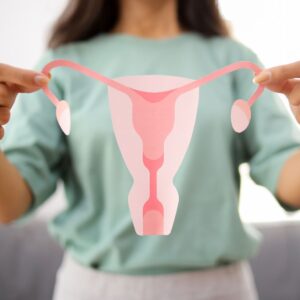
Candida is a type of fungus that naturally resides in the body, particularly in the digestive tract, skin, and vaginal area. Under normal conditions, it exists in harmony with other microorganisms and even contributes to balance.
However, when this balance is disrupted, Candida can overgrow and spread, leading to infections such as:
- Vaginal yeast infections
- Skin rashes
- Digestive disturbances
In more severe cases—especially in individuals with weakened immunity—Candida can spread systemically and affect critical organs, becoming life-threatening.
Why Does Vaginal Candida Yeast Overgrow?

Candida overgrowth is rarely random. It is usually driven by specific lifestyle and physiological factors:
1. Excess Sugar Intake
Both refined sugars and natural sugars (like honey, dates, and even excess fruit) convert into glucose—the primary fuel for Candida growth.
2. Simple Carbohydrates
Foods such as white bread, pasta, potatoes, and white rice rapidly increase blood sugar levels, indirectly feeding fungal overgrowth.
3. Overuse of Antibiotics
Antibiotics destroy not only harmful bacteria but also beneficial probiotics, particularly Lactobacillus—the “protective barrier” against Candida.
4. Weakened Immune System
Factors such as chronic stress, poor diet, diabetes, obesity, or steroid use (e.g., cortisone) weaken the body’s ability to control fungal growth.
Beyond the Obvious: Symptoms You Might Not Link to Candida
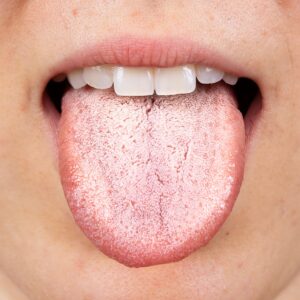
While vaginal itching or discharge is common, Candida can manifest in less obvious ways:
- Digestive issues: bloating, gas, IBS-like symptoms
- Brain fog, poor concentration
- Anxiety, depression
- Hormonal imbalance: Candida produces toxins that mimic estrogen, worsening PMS, headaches, and menopausal symptoms
- Skin conditions: eczema, rosacea, rashes
- Chronic fatigue
The Bigger Picture: Not Just a Vaginal Infection
Vaginal infections are often a symptom—not the root problem. They reflect deeper imbalances in:
- Gut health
- Immune function
- Hormonal regulation
When you address these systems together, the body regains its ability to protect itself naturally.
A Functional Approach: 6-Step Natural Healing Protocol for Vaginal Infection
Healing Vaginal Candida requires addressing the root cause—not just suppressing symptoms. A structured, natural protocol can help restore balance.
1. Eliminate Sugars Completely
- Remove all sources of sugar for 7–10 days, including fruits.
- Allowed alternatives: Stevia and Monk Fruit
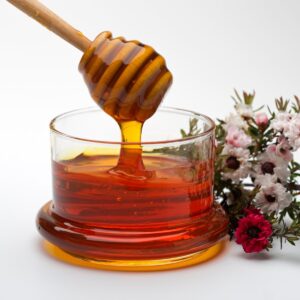
- Exception: A small amount of Manuka honey due to its antifungal properties.
2. Remove Simple Carbohydrates
- Avoid refined starches such as white bread, pasta, and potatoes.
- Instead, include small portions of whole grains like brown rice or quinoa.
3. Use Natural Antifungals
- Raw garlic is one of the most potent natural antifungals.
Recommended: 1–2 cloves daily (can be encapsulated if needed).
Other supportive herbs include:
- Oregano
- Thyme
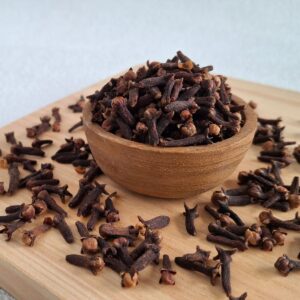
- Clove
- Ginger
4. Focus on Non-Starchy Vegetables
Build your meals around vegetables such as:
Bell peppers, asparagus, eggplant
Broccoli, cauliflower
Leafy greens like spinach, kale, parsley
These support detoxification and reduce inflammation.
5. Support Gut Healing with Warm Foods
Bone broth and vegetable soups provide:
- Collagen to repair gut lining
- Amino acids to support immunity
- A balanced diet should include:
- Quality protein
Fiber from whole foods
Daily fermented foods (introduced later in protocol)
6. Rebuild the Microbiome Carefully
Do not introduce probiotics immediately.
Start around day 4–5, once fungal load begins to decrease.
Focus on:
- Fermented foods: kefir, sauerkraut, kimchi, miso
- Targeted probiotics:
Lactobacillus reuteri
Lactobacillus rhamnosus
These can be taken orally, for several weeks to months depending on severity.
Targeted Support for Vaginal Health

- Cranberry Juice: One cup of unsweetened cranberry juice daily may support urinary and reproductive tract health.
- Coconut oil can be used:
- Orally (antifungal support)
- Topically to relieve irritation
Herbal Vaginal Suppository (Traditional Approach)
A natural blend may include:
- Cocoa butter
- Coconut oil
- Calendula
- Thyme and lavender oils
- Goldenseal
Used nightly for up to 7 days, this may help reduce local symptoms.
Key Supplements and Herbs for Recovery
- Coconut Oil
Contains caprylic acid with antifungal properties.
- Milk Thistle
Supports liver detoxification during fungal die-off.
- Biotin
Helps inhibit Candida growth.
- Zinc
Supports immune function, especially in recurrent infections.
- Probiotics
Essential for long-term balance restoration.
Important Dietary Considerations During healing:
- Avoid dairy and gluten (may trigger inflammation)
- Focus on whole, unprocessed foods
- Maintain stable blood sugar levels
Conclusion
Candida overgrowth and vaginal infections are not simply conditions to suppress—they are signals from the body. By removing the triggers, restoring microbial balance, and supporting the immune system, true healing becomes possible.
Natural strategies, when applied consistently—even for just 10 days—can begin to shift the internal environment toward balance, resilience, and long-term health.
If you need more details about how to heal naturally vaginal infection and candida watch video below on Dr. Fajer AlJumairi’s YouTube channel: