

Blog
The Gut-Breath Connection: A Scientific Approach to Lasting Freshness

Apr
Chronic bad breath, can be a significant source of social embarrassment among partners, friends, and family. While many people focus on oral hygiene, it is estimated that 99% of bad breath cases are not actually caused by gum disease or tooth decay, but rather by underlying issues within the digestive system.
The Root Causes: Why Mint Isn’t Enough
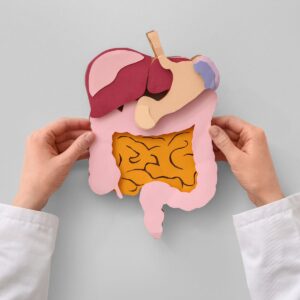
Bad breath primarily stems from two internal issues:
- Undigested Food Residue: When digestion is weak, food remains stuck to the intestinal walls, where it begins to rot and putrefy, this is often caused by a deficiency in digestive enzymes—specifically bile from the gallbladder or pancreatic enzymes.
- Lack of hydrochloric acid (HCl) in the stomach: stomach acid can weaken due to aging, infections like H. pylori, chronic use of acid blockers (like Nexium) or antibiotics, stress, smoking, and an unhealthy lifestyle
- Bacterial and Fungal Overgrowth: An overgrowth of harmful bacteria or fungi (such as Candida) produces foul-smelling phosphorus and nitrogen gases. These gases travel from the gut and are released through the breath, making even the most expensive toothpastes or mouthwashes ineffective.
Best Solutions For Bad Breath:
Phase 1: Revitalizing the Digestive Fire
To eliminate the source of the odor, you must first ensure that food is being fully broken down and “washed” out of the system.
- Comprehensive Digestive Enzymes: For the first four weeks, it is recommended to take a digestive enzyme supplement one minute before main meal, It is crucial that these supplements are comprehensive, containing bile salts, pancreatic enzymes, and HCl to effectively dissolve stuck food residue.
- Organic Apple Cider Vinegar (ACV): After completing one month of enzymes, incorporate organic ACV for 10 to 14 days, mix one tablespoon in a glass of water and drink it through a straw (to protect tooth enamel) 30 minutes before meals to further strengthen stomach acid.
Phase 2: Eliminating Harmful Microbiomes
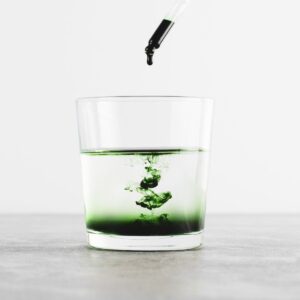
Once digestion is improved, the focus shifts to disinfecting the gut from odor-producing pathogens.
- Natural Antibiotics like Coconut Oil/Butter: Consuming a teaspoon of organic coconut oil on an empty stomach provides MCTs (caprylic acid), which act as powerful natural antibiotics against harmful bacteria and fungi.
- Herbal Supplements: Capsules of Oregano oil, Berberine, or Olive Leaf Extract are highly effective at purifying the digestive tract.
- The Power of Chlorophyll: Supplements like Spirulina, Chlorella, or wheatgrass powder are excellent deodorizers, they raise the alkalinity of the gut, creating an environment where harmful bacteria cannot thrive, while directly refreshing the breath.
- Activated Charcoal: This can be used 3–4 times a week for a month to absorb gases and toxins. However, it must be taken separately from other supplements and meals, as it can interfere with nutrient absorption
Natural Deodorizers from the Kitchen
Several common herbs and spices can serve as immediate and long-term breath fresheners by disinfecting the gut:
- Cloves (Mismars): Chewing on a whole clove for five minutes or drinking clove tea is a traditional and effective way to treat oral infections and gut-related odors.
- Fresh Herbs: Parsley, mint, coriander, and cucumber act as natural internal deodorants.
- Aromatic Teas: Green tea, Moringa tea, and fennel seed tea are all recommended for their purifying properties.
Maintenance and Lifestyle for Managing Bad Breath

For lasting results, these solutions must be supported by dietary changes:
- Starve the Bacteria: You must avoid refined sugars and carbohydrates (including honey, dates, and high-sugar fruits) for at least a month, as these are the primary food sources for Candida and harmful bacteria.
- Intermittent Fasting: This practice helps the body clean the digestive system naturally.
- Probiotics: While beneficial, avoid starting probiotics immediately if you have SIBO or IBS, introduce them only after the first month of treatment to prevent bloating and gas caused by the interaction between “good” and “bad” bacteria.
By focusing on gut health rather than just oral hygiene, you can address the physiological source of bad breath and achieve a permanent solution for fresh breath.
Final thoughts:
By addressing the root causes—specifically undigested food residue and microbial overgrowth—you transition from a cycle of social embarrassment to a state of systemic health.
When the digestive “fire” is weak, the breath becomes a messenger for internal imbalances.
If you’d like to learn more about how to get rid of bad breath, you can watch the video below on Dr. Fajer Al-Jumairi’s YouTube channel: