

Blog
Astaxanthin : A Powerful Compound from Seafood That Supports Gut Health, Skin, and Healthy Aging

Apr
Astaxanthin has long been recognized as one of nature’s most powerful antioxidants. Found in marine organisms such as salmon, shrimp, and krill, this vibrant red carotenoid has been widely studied for its role in reducing oxidative stress, supporting skin health, and enhancing recovery.
However, emerging research reveals a deeper and more complex role: astaxanthin as a targeted modulator of the gut microbiome, with effects that vary significantly depending on age. This discovery opens a new door in understanding how nutrition can be tailored to support health across different life stages.
The Gut Microbiome: A Central Regulator of Health and Aging
The gut microbiome is a dynamic ecosystem composed of trillions of microorganisms that influence nearly every aspect of human physiology. It plays a critical role in:
- Metabolism and energy balance
- Immune regulation
- Brain signaling through gut-brain axis
- Inflammation control
- Nutrient absorption
With aging, this ecosystem undergoes significant changes. These include a decline in microbial diversity, weakened gut barrier integrity, and dysregulated immune responses. This process, often referred to as “inflammaging,” is strongly associated with chronic diseases such as cardiovascular disorders, metabolic syndrome, and neurodegeneration.
As a result, there is growing scientific interest in dietary compounds that can restore microbial balance and enhance resilience—and astaxanthin is emerging as one of the most promising candidates.
What is Astaxanthin?
Astaxanthin is a xanthophyll carotenoid, a type of natural pigment primarily produced by microalgae. It is responsible for the red-pink coloration in marine animals that consume these algae.
Structurally, astaxanthin is unique. Its fat-soluble nature allows it to integrate into cell membranes, where it provides powerful antioxidant protection. Beyond this, it exhibits:
- Anti-inflammatory effects
- Immune modulation
- Metabolic regulation
Recent studies suggest that these properties extend to direct interactions with the gut microbiome, influencing both microbial composition and metabolic activity.
Astaxanthin as a Modulator of the Gut Microbiome
Astaxanthin does not exert a uniform effect. Instead, it acts as an age-responsive modulator, tailoring its impact based on the existing state of the microbiome.
Effects of Astaxanthin in Young Microbiomes
In younger individuals, the gut microbiome is generally more diverse and stable. Astaxanthin appears to enhance and optimize this already functional ecosystem.
Key observed effects include:
- Increased microbial diversity and richness
- Strengthening of cooperative microbial networks
- Enhanced production of short-chain fatty acids, particularly acetate and propionate
- Increased synthesis of neuroactive metabolites such as serotonin
These changes suggest that astaxanthin supports metabolic efficiency and gut–brain communication, reinforcing an already healthy system rather than restructuring it.
Effects of Astaxanthin in Aging Microbiomes
In contrast, aging microbiomes often exhibit dysbiosis, reduced diversity, and increased inflammation. Astaxanthin responds differently in this context.
Instead of broadly increasing diversity, it induces targeted ecological restructuring, characterized by:
- Enrichment of beneficial bacterial species
- Reduction of harmful or pro-inflammatory microbes
- Promotion of microbial specialization within ecological niches
Most notably, astaxanthin significantly increases butyrate production.
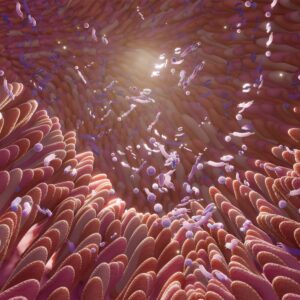
Butyrate is a critical short-chain fatty acid that:
- Strengthens the intestinal barrier
- Reduces inflammation
- Provides energy to colon cells
- Supports immune and metabolic health
Additionally, astaxanthin redirects tryptophan metabolism toward neuroprotective and antioxidant compounds such as:
- Niacin (Vitamin B3)
- 3-Hydroxyanthranilic acid
These metabolites play important roles in brain health, cellular protection, and aging processes.
One of the most important conclusions of recent research is that astaxanthin behaves as a precision nutritional compound.
In simple terms:
- In younger individuals, it enhances integration and diversity
- In older individuals, it restores function and corrects imbalances
This age-specific adaptability positions astaxanthin as a promising tool in healthy aging strategies, where interventions must align with the physiological needs of different life stages.
Mechanisms Behind Astaxanthin’s Effects
Astaxanthin influences the gut ecosystem through multiple mechanisms:
- Modulating microbial composition by promoting beneficial taxa such as Akkermansia
- Suppressing endotoxin-producing and pro-inflammatory bacteria
- Enhancing production of short-chain fatty acids (SCFAs)
- Supporting gut barrier integrity and reducing metabolic endotoxemia
- Influencing host immune signaling and metabolic pathways
Its ability to integrate into biological membranes further enhances its impact on both host cells and microbial interactions.
Beyond the Gut: Skin and Systemic Effects
Astaxanthin’s benefits are not limited to the gut.
Skin Health
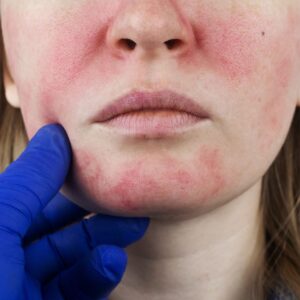
It helps neutralize reactive oxygen species (ROS), reducing collagen breakdown and improving skin elasticity. It may also support hydration and reduce inflammation, although clinical results vary.
Systemic Protection
Its antioxidant and anti-inflammatory properties contribute to:
- Reduced oxidative stress
- Improved metabolic function
- Protection against chronic disease processes
However, it is important to note that while promising, astaxanthin is not a standalone solution and should be integrated into a broader lifestyle approach.
Safety and Considerations
Astaxanthin is generally considered safe when used within typical dosages (2–12 mg daily in studies) over 4 to 12 weeks. However, there are important considerations:
- High-dose antioxidants may act as a double-edged sword, potentially protecting not only healthy cells but also abnormal cells (cancer cells).
- Long-term high-dose use requires further research
- It should not replace foundational health practices such as diet, sleep, and stress management
Food Sources of Astaxanthin
Astaxanthin is naturally found in:
- Salmon
- Shrimp
- Krill
- Lobster
These whole-food sources provide a balanced intake alongside other beneficial nutrients.
Conclusion
Astaxanthin represents a new generation of nutritional compounds that go beyond simple antioxidant activity. It acts as a dynamic communicator between diet and the gut microbiome, shaping microbial ecosystems in ways that are both adaptive and age-specific.
Its ability to promote diversity and integration in youth, while restoring function and metabolic balance in aging, highlights its potential as a cornerstone in precision nutrition for longevity.
As research continues to evolve, astaxanthin may become a key tool in supporting not only gut health, but also systemic resilience, brain function, and healthy aging—from the inside out.
If you want a scientifically grounded nutrition plan to help rejuvenate your biological age to nearly 20, watch Dr. Fajer’s full episode on YouTube below: