

Blog
Maximizing Fertility Naturally: A Science-Based Guide to Enhancing Reproductive Health
May
In modern reproductive medicine, temporary delays in achieving pregnancy are frequently mischaracterized as chronic infertility.
Clinically, a couple is only diagnosed with fertility challenges after one full year of consistent, unprotected intercourse without conception. Prematurely assuming fertility issues after only a few months can induce psychological stress, which counterproductively hinders reproductive capabilities.
Optimizing fertility naturally requires a dual physiological approach targeting both maternal and paternal biochemistry. By strategically implementing targeted micronutrients, bioactive botanicals, specific supplemental enzymes, and fundamental lifestyle shifts, couples can markedly enhance the quality of gametes (egg and sperm) and promote an ideal environment for implantation.
1. Essential Vitamins & Minerals For Fertility
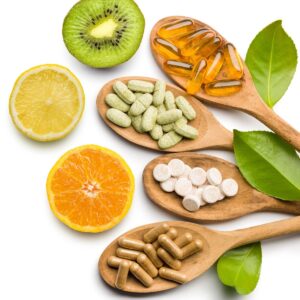
Rather than relying on generic multivitamins—which often lack optimal dosages or the most bioavailable forms of specific reproductive nutrients—couples should target localized micronutrients that directly influence gametogenesis, cellular protection, and hormonal balance.
Critical Vitamins
Vitamin A: Essential for cellular differentiation and healthy follicular development.
Dietary Sources: Mammalian liver (chicken/beef), cod liver oil, whole eggs, and beta-carotene precursors found in pumpkins, sweet potatoes, and dark leafy greens.
Vitamin E (Alpha-Tocopherol): A potent lipid-soluble antioxidant that protects the cell membranes of both developing oocytes and spermatozoa from oxidative stress.
Dietary Sources: Sunflower seeds, pumpkin seeds, almonds, and avocados.
Vitamin D3: Acts as a secosteroid hormone regulating gene expression in the endometrium and supporting ovarian reserve parameters.
Source: Synthesized endogenously via 20 minutes of daily, direct dermal exposure to sunlight.
Vitamin B9 (Folate): Critical for maternal DNA synthesis, oocyte quality, and preventing neural tube defects during early embryogenesis.
Clinical Recommendation: Women planning conception should supplement with a therapeutic dose of 5 mg of folate/folic acid daily starting three months pre-conception and continuing through the first trimester.
Dietary Sources: Asparagus, legumes, and avocados.
Critical Minerals
Zinc: A fundamental building block for sperm production, morphology, and motility in men, while supporting optimal cell division in women.
Dietary Sources: Red meat (steaks) and oysters.
Iodine: Necessary for the synthesis of thyroid hormones which regulate global metabolic rate and reproductive cycles.
Dietary Sources: Seafood, marine fish, and seaweeds/kelp.
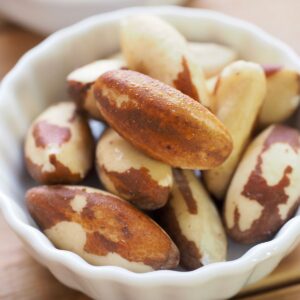
Selenium: Critical for thyroid health and shielding spermatozoa from structural oxidative damage.
Dietary Sources: Consuming just two Brazil nuts daily fulfills the complete human recommended daily allowance (RDA) for selenium.
2. Botanical Medicine and Targeted Adaptogens
Certain bioactive botanicals exhibit clinical efficacy in altering endocrine pathways to favor conception.
Fenugreek (Trigonella foenum-graecum): Highly beneficial for paternal physiology. Clinical data indicates that daily consumption can elevate serum testosterone levels by up to 30%, boosting spermatogenesis, sperm motility, and overall libido.
Chasteberry / Vitex (Vitex agnus-castus): Exclusively utilized for maternal hormone regulation. At a clinical dose of 500 mg daily, Vitex suppresses the oversecretion of prolactin (hyperprolactinemia). Elevated prolactin—frequently triggered by chronic stressors—acts as a natural contraceptive by halting ovulation. Vitex lowers prolactin, restores ovulatory regularity, and improves oocyte quality.
Maca Root (Lepidium meyenii): An adaptogen that modulates the hypothalamus-pituitary-adrenal (HPA) axis to boost fertility in both sexes. For maximum bioavailability and clinical reproductive outcome, liquid extracts or standardized drops are preferred over raw maca powder.
3. Advanced Reproductive Supplementation
To overcome physiological barriers like poor mitochondrial function or metabolic disruption, three key supplements are highly effective:
Coenzyme Q10 (CoQ10): A critical component of the mitochondrial electron transport chain. CoQ10 improves cardiovascular dynamics and lowers blood hypercoagulability (blood clotting). Reduced pelvic microthrombosis (micro-clots) increases blood flow to both the ovaries and testes, boosting gamete energy production and cellular viability.
Myo-Inositol / Myo-Chiro-Inositol: An intracellular second-messenger system crucial for insulin signaling. This supplement is highly effective for women with Polycystic Ovary Syndrome (PCOS). It restores insulin sensitivity, corrects androgen overproduction, establishes regular ovulatory cycles, and optimizes egg quality.
Folate (5 mg): As noted above, specialized high-dose folate supplementation acts as a biochemical shield for early embryogenesis.
4. Chronobiology and Mechanical Fertilization Protocols
Conception relies heavily on proper timing. Couples should concentrate intercourse around the peak fertile window, specifically days 13, 14, 15, and 16 of the menstrual cycle (assuming a standard 28-day cycle), when ovulation occurs and the oocyte is viable.
Modifying the Endometrium and Cervical Mucus
During this 4-day ovulatory window, specific dietary interventions can help overcome physical barriers to fertilization:

Pineapple Consumption (Bromelain): Many women produce highly viscous, thick cervical mucus that acts as a physical barrier, trapping spermatozoa in the vaginal vault.
Pineapple contains bromelain, a proteolytic enzyme that breaks down the protein matrices of cervical mucus. This thins the secretions and creates a clear pathway for sperm to swim through the cervix.
Pure Pomegranate Juice: Rich in polyphenols and nitrates, pomegranate juice acts as a natural vasodilator. This boosts uterine artery blood flow, helping build a thick, vascularized, healthy endometrial lining (“the uterine cushion”) capable of supporting embryo implantation.
5. Environmental and Neurological Factors
Gametes are highly sensitive to external radiation and internal stress hormones. Protecting them requires both physical and mental adjustments.
Electromagnetic Radiation (EMR) Avoidance
Placing laptops, tablets, or cellular devices directly on the lap exposes reproductive organs to close-range electromagnetic radiation and thermal stress.
This radiation can cause DNA fragmentation in developing oocytes and can significantly degrade paternal sperm count and motility.
Keep all smart devices away from the pelvic and abdominal regions.

Cortisol and Prolactin Suppression
Chronic sleep deprivation and high psychological stress cause sustained elevations of cortisol and prolactin. This biochemical state disrupts the pulsatile release of Gonadotropin-Releasing Hormone (GnRH), which suppresses the luteinizing hormone (LH) surge needed for ovulation and reduces paternal testosterone synthesis.
Securing 8 to 9 hours of restorative sleep nightly and actively managing stress are vital biochemical steps to lower cortisol, stabilize reproductive hormones, and optimize natural fertility
Conclusion:
Natural fertility is supported by the small choices we make every day. By focusing on proper nutrition, targeted supplementation, hormonal balance, quality sleep, stress management, and healthy lifestyle habits, couples can create the best possible conditions for conception. While results may take time, a consistent, whole-body approach can significantly improve reproductive health and increase the chances of a healthy pregnancy.
If you need more information about how to support your fertility naturally, watch the full episode below on Dr.Fajer AlJumairi’s YouTube channel: