

Blog
Hidden Gut Parasites: The Benefits of Wormwood and Olive Leaf for Supporting Gut Health and Eliminating Intestinal Worms
Jun
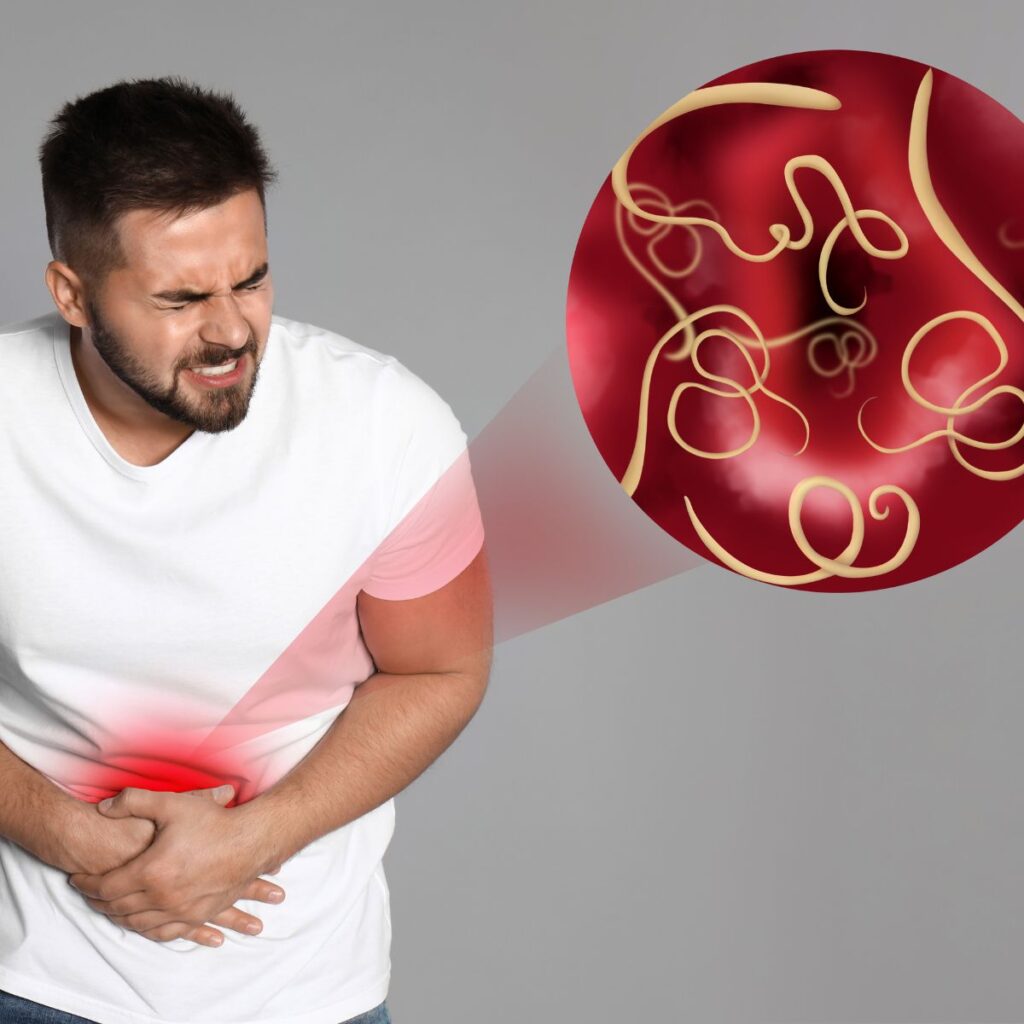
Intestinal parasites and worms are often considered a “silent epidemic” because many infected individuals are unaware they have them. Their symptoms are frequently misdiagnosed as irritable bowel syndrome (IBS) or food poisoning, while the parasites continue damaging the intestinal lining and releasing harmful toxins.
Symptoms may present as digestive complaints—such as recurrent abdominal cramps after meals, bloating, alternating constipation and diarrhea—or as neurological and psychological symptoms, including severe headaches, migraines, brain fog, anxiety, panic attacks, and mood swings. Hair loss, unexplained weight changes, and sleep disturbances may also occur.
To accurately confirm an infection, a stool analysis (stool test) performed in a medical laboratory is recommended.
General Guidelines During a Parasite Cleanse
Dietary Modifications
Avoid all refined sugars and processed foods throughout the protocol, as they provide an ideal food source for parasites and harmful microorganisms, promoting their growth and survival.
Strict Hygiene
Wash your hands thoroughly and frequently, especially before meals, after using the restroom, and after handling pet waste. Children should be taught proper hygiene habits, as they are particularly susceptible to environmental exposure.
Avoid Sources of Reinfection
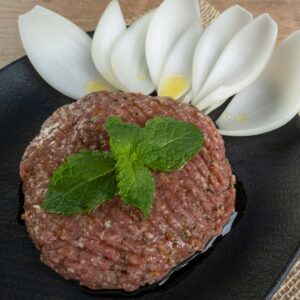
Avoid consuming raw or undercooked meat and fish (such as sushi, Raw Kibbeh, or raw meat dishes) throughout the cleansing period.
Gut Parasite Cleansing Protocol
Phase 1: Cleansing & Detoxification (Weeks 1–2)
This phase focuses on eliminating parasites and intestinal worms while disrupting their protective outer layers through three complementary approaches.
A. Anti-Parasitic Foods
- Pumpkin seeds and papaya seeds: Contain natural compounds that help paralyze intestinal worms and facilitate their elimination.
- Garlic and onions: Potent natural antimicrobial foods that help combat parasites.
- Fresh ginger and turmeric: Help reduce inflammation while exhibiting antimicrobial activity.
- Green juice and chlorophyll: Support natural detoxification and gut health.
- Pomegranate, beetroot, and carrot juices.
- Organic coconut oil and cloves.
B. Medicinal Herbs & Botanical Extracts
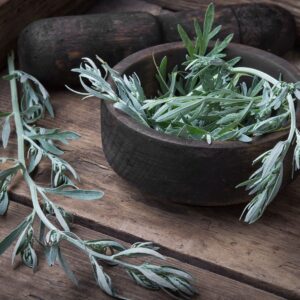
- Wormwood (Artemisia absinthium): Traditionally regarded as one of the most effective herbs for supporting the elimination of intestinal worms.
- Oregano oil and neem: Powerful botanical antimicrobials that help combat fungi and parasites.
- Rosemary and thyme.
- Olive Leaf Extract or Olive Leaf Tea (recommended for up to 60 days): Research suggests olive leaf extract may interfere with the life cycle of certain intestinal parasites, reducing worm burden and limiting egg production. It also possesses antifungal properties and may help support the integrity of the intestinal lining.
Preparation: Add 1 teaspoon of ground olive leaves to a cup of hot water. Simmer for 7 minutes, then allow it to steep for 10–15 minutes before straining. Drink 2 cups daily.
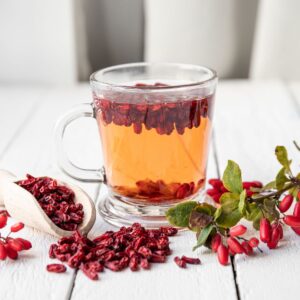
- Barberry (Berberis), the natural source of berberine.
C. Supportive Supplements
- N-Acetyl Cysteine (NAC): May help disrupt microbial biofilms, making microorganisms more susceptible to treatment.
- Digestive enzymes containing protease: Help break down dietary proteins and assist overall digestion.
- Immune-supporting nutrients: Vitamin D, Vitamin C, zinc, and omega-3 fatty acids help support normal immune function.
Phase 2: Gut Repair & Restoration (Weeks 3–4)
Following parasite elimination, the intestinal lining may remain irritated due to previous damage or the intensity of the cleansing herbs. This phase focuses on restoring gut barrier function and supporting tissue repair.
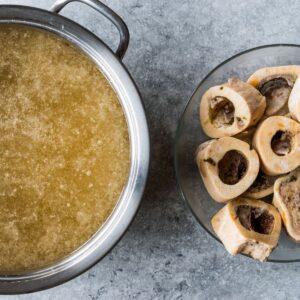
- Bone broth (preferably beef bone broth): Rich in amino acids and minerals that support intestinal tissue repair. Aim for 2 cups daily.
- Manuka honey (or any raw honey): 1 tablespoon daily to help soothe the intestinal lining.
- L-Glutamine: An amino acid that serves as a primary fuel source for intestinal cells and supports gut barrier integrity, avoid if you have history of cancer.
- Marshmallow root tea: Forms a soothing mucilaginous coating over the digestive tract, promoting healing.
- Prebiotics: Dietary fibers that nourish beneficial gut bacteria.
- Probiotics: Introduced during this stage to help restore a healthy gut microbiome after treatment.
Important Note: If you suffer from severe IBS symptoms or Small Intestinal Bacterial Overgrowth (SIBO), it is generally advisable to postpone probiotic supplementation until after the first two weeks.
- Aloe vera juice or supplement: May help soothe inflammation and support healing of the intestinal lining. Approximately ¼ cup daily may be used, and it can be introduced from the beginning of the protocol if tolerated.
Conclusion
Intestinal parasites can negatively affect digestive health, energy levels, and overall well-being, making appropriate treatment essential for restoring gut health. Supporting intestinal health naturally involves following a balanced diet, avoiding refined sugars and processed foods, increasing dietary fiber, and incorporating supportive herbs such as wormwood and olive leaf. Restoring a healthy gut microbiome and maintaining healthy lifestyle habits may also help reduce the risk of reinfection after appropriate pharmaceutical treatment has successfully eradicated the parasites.
if you need more informations about how to heal your gut and get rid of worms and parasites naturally, watch below the full episode on Dr.Fajer youtube channel: