

Blog
Basil Seeds: Better Than Chia Seeds for Your Gut, Skin, and Brain?
Jul
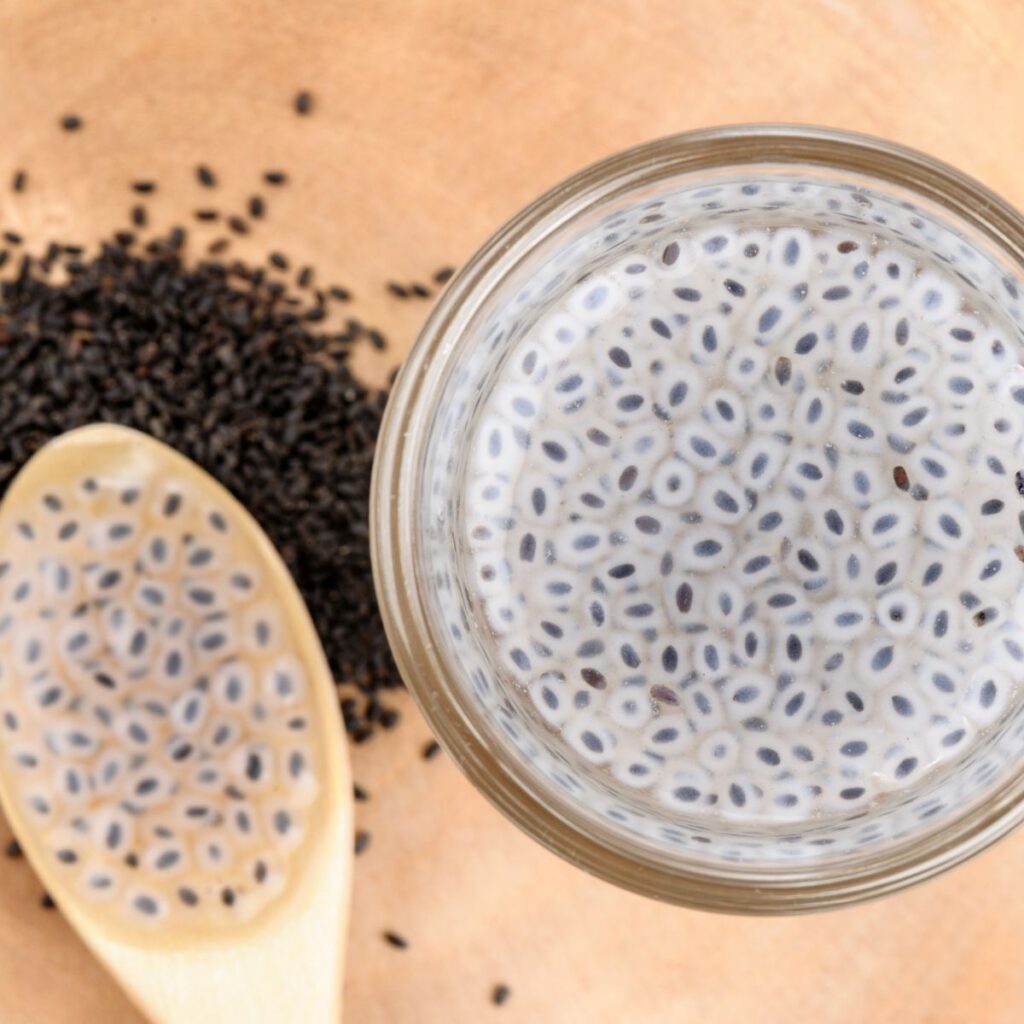
For years, chia seeds have dominated the superfood conversation. Yet another tiny seed has been quietly used in traditional medicine for thousands of years and is now gaining attention from modern researchers for its impressive effects on digestive health, metabolic function, and healthy aging.
These are basil seeds, also known as sweet basil seeds, derived from the Ocimum basilicum plant. Native to India, Africa, and Southeast Asia, basil has been cultivated for more than 5,000 years and has been used in traditional healing systems, culinary practices, and herbal medicine.
Today, scientific research is revealing that these small seeds contain an extraordinary combination of fiber, omega-3 fatty acids, antioxidants, minerals, and bioactive compounds that may support the gut microbiome, blood sugar regulation, cardiovascular health, skin health, and even brain function.
What Are Basil Seeds?
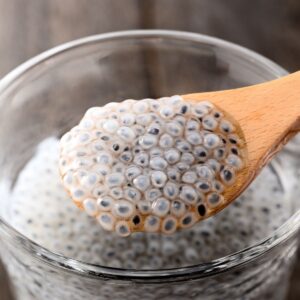
Basil seeds come from the sweet basil plant, the same plant commonly used as a culinary herb. While the leaves are widely used in cooking, the seeds have traditionally been prized for their medicinal properties and unique ability to absorb water and form a gel-like coating.
Nutritionally, basil seeds are remarkably dense. They contain approximately:
– 40–60% carbohydrates
– 10–20% protein
– 10–30% healthy fats
– Large amounts of dietary fiber
Just two tablespoons provide approximately:
– 15 grams of fiber
– 30% of daily calcium requirements
– 20% of daily magnesium requirements
– 20% of daily iron requirements
This nutrient profile alone makes basil seeds one of the most concentrated plant foods available.
The Powerful Compounds Inside Basil Seeds
The health benefits of basil seeds are largely driven by several key compounds identified in compositional analyses.
Alpha-Linolenic Acid (ALA)
Researchers have found that up to 71% of the fat content in basil seeds consists of alpha-linolenic acid (ALA), an essential plant-based omega-3 fatty acid.
ALA has been associated with:
– Reduced inflammation
– Improved cardiovascular health
– Better lipid metabolism
– Support for brain function
Because chronic inflammation contributes to many modern diseases, this omega-3 content is believed to be one of the major reasons basil seeds exert broad health benefits.
Prebiotic Polysaccharides
Nearly 36% of basil seeds consist of dietary fiber, including cellulose, hemicellulose, and mucilage-forming polysaccharides.
When these fibers reach the colon, they become fuel for beneficial gut bacteria. Research suggests that fermentation of these fibers increases the production of short-chain fatty acids (SCFAs), compounds known to:
– Support immune function
– Reduce intestinal inflammation
– Improve metabolic health
Phenolic Acids and Polyphenols
Basil seeds contain significant amounts of antioxidant compounds, particularly:
– Rosmarinic acid
– Caffeic acid
– Vanillic acid
Studies show that these polyphenols help neutralize free radicals and reduce oxidative stress, one of the primary drivers of aging and chronic disease.
Flavonoids
Researchers have also identified flavonoids such as:
– Orientin
– Vicenin
– Quercetin
These compounds have demonstrated anti-inflammatory, antimicrobial, and protective effects in numerous studies and are believed to contribute significantly to the health-promoting properties of basil seeds.
Additional Protective Compounds
Basil seeds contain trace amounts of:
– Squalene
– Gamma-tocopherol
– Various terpenoids
These compounds further enhance their antioxidant and anti-aging potential.
Why Basil Seeds Are Exceptional for Gut Health

One of the most impressive benefits of basil seeds is their ability to support digestive function and the gut microbiome.
Feeding Beneficial Gut Bacteria
The soluble fiber found in basil seeds acts as a prebiotic. In simple terms, it provides food for beneficial microbes living in the gut.
Research suggests that these fibers promote the growth of beneficial bacterial species while encouraging the production of short-chain fatty acids such as acetate, propionate, and butyrate.
These compounds play critical roles in:
– Maintaining intestinal barrier integrity
– Regulating inflammation
– Supporting immune function
– Nourishing colon cells
Supporting Regular Bowel Movements
The combination of soluble and insoluble fiber found in basil seeds helps improve stool consistency and digestive transit.
Soluble fiber absorbs water and forms a gel, while insoluble fiber adds bulk to the stool. Together, they help support regular bowel movements and may reduce constipation.
Supporting Gut Barrier Health
Emerging evidence suggests that the short-chain fatty acids generated by fiber fermentation help strengthen the intestinal lining and support healthy gut permeability.
This is particularly important because disturbances in gut barrier function have been associated with digestive discomfort, food sensitivities, and systemic inflammation.
Blood Sugar Balance and Metabolic Health
One of the most studied benefits of soluble fiber is its ability to regulate glucose absorption.
When basil seeds are consumed, their gel-forming fiber slows gastric emptying and carbohydrate absorption. This helps reduce rapid blood sugar spikes after meals and may improve metabolic control.
The prolonged digestion also increases satiety, helping people feel fuller for longer periods.
This is one reason basil seeds are often recommended as part of weight-management strategies.
Cholesterol Support
Studies have shown that soluble fiber can bind bile acids and cholesterol molecules within the digestive tract.
Rather than being reabsorbed, these compounds are eliminated through the stool.
This mechanism may contribute to:
– Lower LDL cholesterol
– Improved cardiovascular health
– Better lipid metabolism
The high fiber content of basil seeds makes them particularly effective in supporting this process.

Skin Health and Healthy Aging
The antioxidant profile of basil seeds may also support skin health.
Researchers believe that compounds such as rosmarinic acid, quercetin, tocopherols, and other polyphenols help reduce oxidative stress, which contributes to collagen breakdown and visible signs of aging.
By helping neutralize free radicals, basil seeds may support:
– Skin elasticity
– Cellular protection
– Healthy aging
– Overall skin resilience
Natural Antimicrobial Properties
Studies have identified several antimicrobial compounds naturally present in basil, including:
– Eugenol
– Linalool
– Estragole
Research suggests these compounds may inhibit the growth of harmful microorganisms while supporting a healthier microbial environment.
This helps explain basil’s long history of use in traditional medicine for digestive and infectious conditions.
Basil Seeds vs Chia Seeds: Which Is Better?
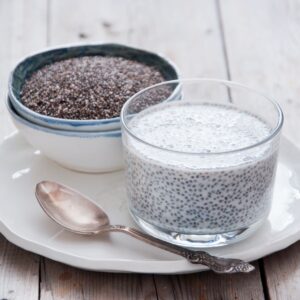
Both seeds offer impressive nutritional benefits, but there are some important differences.
Fiber
Basil seeds provide approximately 15 grams of fiber per two tablespoons, compared with approximately 10 grams in chia seeds.
For digestive support and satiety, basil seeds have a clear advantage.
Omega-3 Fatty Acids
Chia seeds contain slightly higher concentrations of omega-3 fatty acids and therefore take the lead in this category.
Protein
Chia seeds contain slightly more protein than basil seeds.
Minerals
Both are excellent sources of calcium, magnesium, and iron.
Antioxidants
Both seeds contain substantial amounts of antioxidant polyphenols and flavonoids that support cellular health.
One Important Rule: Always Soak Basil Seeds, unlike chia seeds, basil seeds should never be consumed dry.
They can absorb up to twenty times their weight in water and rapidly develop a thick gelatinous coating.
To consume them safely:
– Soak for at least 15 minutes
– Drink adequate fluids
– Introduce them gradually if you are not accustomed to high-fiber foods
Final Thoughts
Basil seeds may be one of the most underrated functional foods available today. Rich in prebiotic fiber, plant-based omega-3 fatty acids, minerals, and antioxidant compounds, they support far more than digestion alone.
Research suggests their unique combination of soluble fiber, polyphenols, flavonoids, and omega-3 fats may help improve gut microbiome diversity, regulate blood sugar, support cardiovascular health, protect the skin from oxidative stress, and promote healthy aging.
While chia seeds remain an excellent superfood, basil seeds offer exceptional fiber content and powerful microbiome-supporting properties that make them worthy of a place in any gut-friendly diet.
If you need more information about how to heal leaky gut, watch the full video below on Dr.Fajer YouTube channel: