

Blog
Monolaurin: A Natural Coconut Compound That Fight Candida and Boosts Immunity
Jul
What Is Monolaurin?
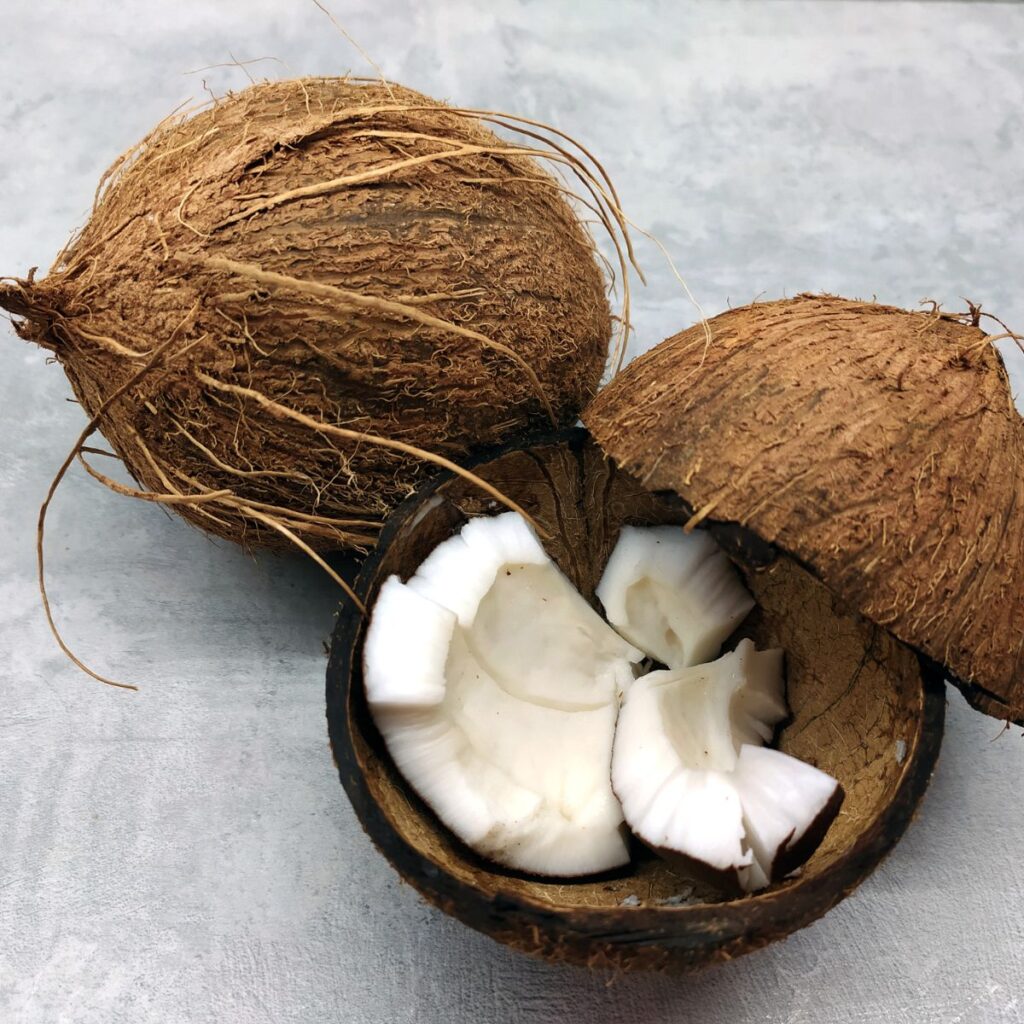
Monolaurin, also known as glycerol monolaurate (GML), is a natural compound formed by combining glycerol with lauric acid, a medium-chain fatty acid found primarily in human breast milk and coconut products.
Researchers first became interested in monolaurin while studying why breast milk naturally resists bacterial contamination. Since then, laboratory research has identified monolaurin as a compound with broad antimicrobial activity, making it a popular supplement in functional medicine for supporting immune health and microbial balance.
How Does Monolaurin Work?
Many harmful bacteria, viruses, and some fungi are surrounded by a protective fatty membrane called a lipid envelope.
Laboratory studies suggest that monolaurin can disrupt this outer membrane, weakening the microbe’s ability to attach to cells, survive, and spread. This mechanism differs from traditional antibiotics because it targets the organism’s protective coating rather than directly attacking human cells.
Most of this evidence comes from laboratory and experimental studies, while large clinical trials in humans are still limited.
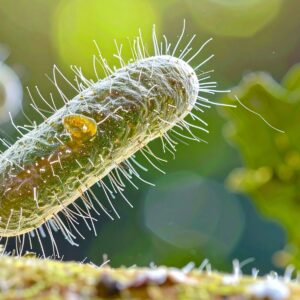
Immune System Support
Monolaurin is best known for supporting the body’s natural immune defenses.
Research suggests it may help:
– Reduce the activity of certain harmful bacteria
– Support the body’s response to enveloped viruses
– Promote a healthier microbial environment
– Help maintain normal immune function
Rather than stimulating the immune system indiscriminately, monolaurin appears to support immune balance by reducing the burden of unwanted microbes.
Antiviral Activity
One of monolaurin’s most studied properties is its potential activity against enveloped viruses.
These include viruses such as:
– Herpes simplex virus (HSV)
– Influenza virus
– Epstein-Barr virus (EBV)
– Human immunodeficiency virus (HIV)
Experimental research suggests monolaurin may damage the lipid envelope surrounding these viruses, making them less able to infect cells. However, more well-designed human studies are needed before therapeutic conclusions can be made.
Antibacterial Benefits
Growing antibiotic resistance has increased interest in natural compounds that may help support microbial balance.
Laboratory research has shown that monolaurin can inhibit the growth of several harmful bacteria, including Staphylococcus aureus. An important feature observed in experimental studies is that monolaurin appears to have less impact on beneficial probiotic bacteria than many conventional antimicrobial agents, although more human research is needed.
Candida and Yeast Balance
Candida albicans normally exists in the digestive tract as part of the natural microbiome. Problems may arise when excessive growth disrupts the normal microbial balance.
Research suggests monolaurin may:
– Disrupt Candida cell membranes
– Reduce fungal growth
– Inhibit Candida biofilm formation
– Support a healthier intestinal microbial environment
Because gut health depends on maintaining a balanced microbiome, monolaurin is often included as part of broader functional medicine protocols targeting microbial overgrowth.
Gut Health and the Gut–Brain Axis
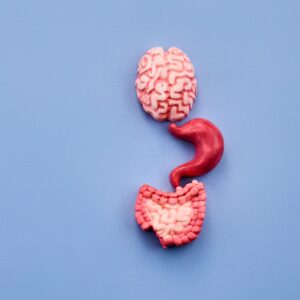
The digestive system and brain communicate continuously through what is known as the gut–brain axis.
Emerging research suggests that disturbances in the gut microbiome and chronic low-grade inflammation may influence mood, cognition, and emotional well-being.
By helping maintain microbial balance and supporting gut barrier function, monolaurin may indirectly contribute to healthier gut-brain communication.
Brain Health and Chronic Viral Burden
Researchers continue to investigate possible relationships between chronic viral infections and neurological diseases.
For example:
– Epstein-Barr virus has been strongly associated with multiple sclerosis.
– Herpes viruses have been investigated for their possible role in neurodegenerative diseases.
Food Sources of Monolaurin
Natural dietary sources include:
– Human breast milk
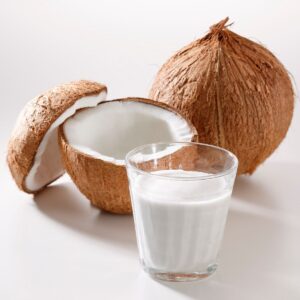
– Coconut oil
– Coconut milk
– Coconut cream
– Fresh coconut
– Goat milk (small amounts)
– Cow’s milk (smaller amounts)
Although these foods contain lauric acid, the therapeutic amounts of monolaurin used in supplements are considerably higher than what is typically obtained through diet.
How to Take Monolaurin
Monolaurin is commonly available as capsules or pellets.
Supplement manufacturers generally recommend daily doses ranging from 300 mg to 3,000 mg, depending on the intended purpose.
General recommendations include:
– Start with a low dose and increase gradually as tolerated.
– Take monolaurin with meals to improve tolerance.
– Choose products that are third-party tested and free from unnecessary fillers.
Because optimal dosing has not yet been standardized, supplementation should ideally be individualized under the guidance of a qualified healthcare professional.
Safety and Precautions
Current evidence suggests monolaurin is generally well tolerated when used appropriately.
Individuals with liver disease or those taking medications that affect liver function should consult their healthcare provider before using monolaurin.
As with many dietary supplements, there is insufficient evidence regarding its safety during pregnancy and breastfeeding beyond the amounts naturally present in foods.
The Bottom Line
Monolaurin is a naturally occurring compound derived from lauric acid that has attracted considerable scientific interest because of its antimicrobial properties. Laboratory research suggests it may help reduce the activity of certain bacteria, enveloped viruses, and Candida while supporting gut microbial balance and normal immune function.
If you need more details about how to combat candida naturally, watch the full video below on Dr.Fajer’s YouTube Channel: