

Blog
The Complete Scientific Guide to Healthy Weight Gain and Lean Muscle Building
Jul
Many people struggle with being underweight and find it difficult to gain weight in a healthy way. While some turn to unhealthy, highly processed foods for quick results, achieving a strong, well-proportioned body requires a science-based approach that focuses on understanding the body’s needs and providing optimal nutrition.
This guide presents a comprehensive strategy for healthy weight gain, lean muscle development, and naturally enhancing feminine body contours without placing unnecessary stress on the body or disrupting hormonal balance.
1. Medical Evaluation Before Starting
Before beginning any weight-gain program, it is essential to rule out medical conditions that may prevent healthy weight gain or increase calorie expenditure.
Hyperthyroidism

An overactive thyroid significantly increases the body’s metabolic rate, causing calories to be burned rapidly and making weight gain extremely difficult.
Digestive Disorders and Malabsorption
Conditions such as:
- Celiac disease
- Crohn’s disease
- Ulcerative colitis
- Intestinal parasites
can reduce the intestine’s ability to properly absorb proteins, fats, vitamins, and other nutrients required for healthy weight gain.
Chronic Conditions That Increase Metabolism
Certain chronic illnesses, including chronic liver diseases such as viral hepatitis, can increase the body’s energy requirements, leading to ongoing weight loss.
2. The Five Pillars of Healthy Weight Gain
First: Increase Calories Through Meal Distribution

For individuals with poor appetite, consuming larger meals is often difficult. Instead, distribute your calorie intake throughout the day.
Daily Calorie Goal
Gradually increase intake from a normal maintenance level (approximately 1,800–2,000 calories) to around 2,500–3,000 calories per day, depending on individual needs and activity level.
Meal Schedule
Instead of intermittent fasting, divide the day into five meals:
- Breakfast
- Mid-morning meal
- Lunch
- Early dinner
- A high-calorie smoothie before bedtime
This provides a continuous energy supply while making calorie intake easier.
Second: Pair Complex Carbohydrates with Healthy Fats
Fat provides approximately 9 kcal per gram, compared with 4 kcal per gram from carbohydrates and protein, making it an efficient way to increase calorie intake.
Healthy Complex Carbohydrates
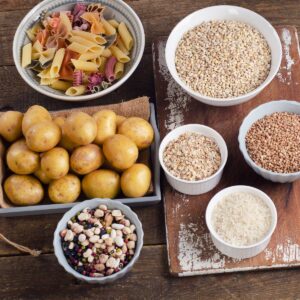
- Sweet potatoes
- Organic rice
- Quinoa
- Bulgur
- Oats
- Dates
- Dried fruits
Increase Calorie Density
Examples include:
- Cooking rice with coconut cream
- Mashing sweet potatoes with grass-fed butter or traditional ghee
- Adding healthy fats to carbohydrate-rich meals
This increases both calorie density and meal satisfaction.
Third: Prioritize Healthy Energy-Dense Fats
Healthy fats provide concentrated energy while supporting hormone production and overall health.
Recommended Fat Sources
- Grass-fed butter
- Traditional ghee
- Extra virgin olive oil
- Avocado oil
- Virgin coconut oil
Nuts and Nut Butters
Consume a daily handful of healthy nuts such as:
- Walnuts
- Macadamia nuts
Note: Limit Brazil nuts to two per day due to their very high selenium content.
Avocados and Fatty Fish
Aim for:
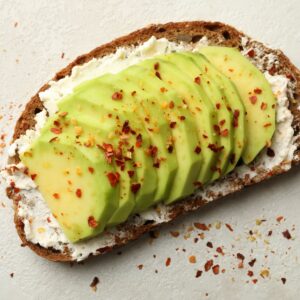
- One whole avocado daily
- Fatty fish such as salmon, rich in omega-3 fatty acids
Fourth: Adequate Protein Intake and Resistance Training
Healthy weight gain should focus on building lean muscle rather than simply increasing body fat.
High-Quality Protein Sources
- Chicken
- Lean red meat
- Fish
- Eggs
Helpful Supplements
- Protein powder
- Creatine
- Collagen peptides to support connective tissues
Resistance Training
Regular resistance exercise is essential for stimulating muscle growth.
An optional strategy is wearing a weighted vest (4–8 kg) during walking or light daily activities to increase muscle activation and improve body composition.
Fifth: High-Calorie Smoothie (Approximately 1,200 Calories)
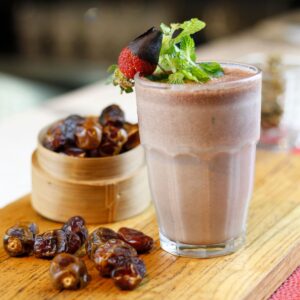
Liquid calories are ideal for individuals who become full quickly.
Ingredients
- 1 cup organic coconut cream
- ½ cup water
- 1 ripe banana
- 1–2 dates
- 1 tablespoon virgin coconut oil
- 1 tablespoon peanut butter or almond butter
- ½ avocado (optional)
- 1 scoop protein powder
For individuals with digestive sensitivity:
- Plant-based protein may be easier to tolerate.
- Goat whey protein is often better tolerated than conventional cow’s whey.
Special Section for Women: Naturally Supporting Feminine Body Contours
Supporting healthy estrogen balance through nutrition may contribute to maintaining normal feminine body composition.
Sage Tea
Traditionally used to support hormonal balance and overall women’s health.
Organic Soy Foods
Examples include:
- Organic soy milk
- Tofu
These contain natural phytoestrogens.
Avoid if you have a personal or family history of estrogen-dependent cancers unless advised otherwise by your healthcare provider.
Honey Fortified with Propolis
Traditionally consumed as:
- One tablespoon in the morning
- One tablespoon in the evening
to support immune function and general wellness.
Fenugreek Herbal Infusion
Fenugreek may be combined with herbs such as:
- Fennel
- Anise
- Fresh mint
- Cinnamon sticks
to improve flavor and aroma.
Akpi Seeds (Ricinodendron heudelotii)
For best quality:
- Grind the seeds immediately before use to minimize oxidation.
- They may be mixed with honey, warm milk, and sesame seeds.
Conclusion
Healthy weight gain is not achieved by simply eating large amounts of high-calorie foods. The first step is identifying and addressing any underlying medical conditions that may prevent weight gain, such as thyroid disorders or malabsorption.
Once these have been ruled out, success depends on gradually increasing calorie intake through nutrient-dense whole foods, consuming adequate protein, incorporating healthy fats and complex carbohydrates, and spreading meals throughout the day.
To ensure that weight gain comes primarily from lean muscle rather than excess body fat, resistance training, quality sleep, and a balanced diet are essential.
If you need more details about how to gain weight safely, especially for womans, watch the full episode below on Dr.Fajer’s youtube channel: