

Blog
Black Seed Oil: The Ancient Remedy That May Support Gut Health, Fight Harmful Microbes, and Reduce Inflammation
Oct
What if one of the most powerful natural compounds for supporting your gut and immune system has been used for more than 2,500 years?
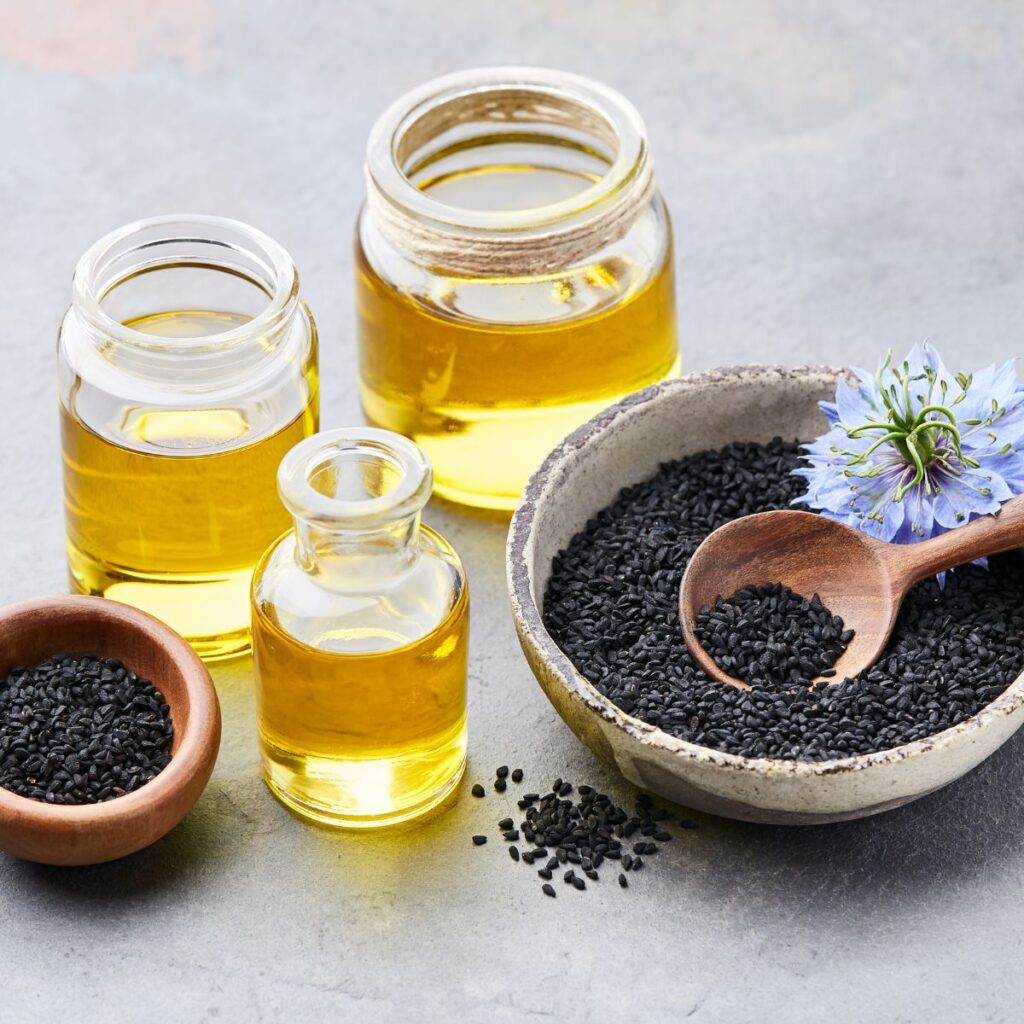
Black seed oil, also known as Nigella sativa or black cumin seed oil, has a long history in traditional medicine across the Middle East, North Africa, India, and the Mediterranean.
Today, scientists are exploring the biological compounds behind this ancient remedy, particularly one called thymoquinone, which may help regulate inflammation, protect cells, and influence the growth of certain harmful microorganisms.
But what can black seed oil actually do for your health, and what does the research show?
What Makes Black Seed Oil So Special?
Black seed oil is extracted from the seeds of the Nigella sativa plant.
Its most studied active compound is thymoquinone (TQ), a natural substance with antioxidant, anti-inflammatory, and antimicrobial properties in laboratory research.
The oil also contains beneficial fatty acids, plant sterols, vitamin E-related compounds, and other natural antioxidants.
These compounds may work together to support several important functions:
- Protecting cells against oxidative damage.
- Regulating inflammatory responses.
- Supporting immune function.
- Influencing blood sugar and cholesterol metabolism.
- Helping maintain a healthy intestinal environment.
Let’s explore its most interesting potential benefits.
1. May Help Fight Harmful Gut Bacteria, Fungi, and Parasites

One of the most interesting areas of black seed oil research is its potential antimicrobial activity.
Laboratory studies suggest that thymoquinone and other black seed compounds may interfere with the survival of certain bacteria, fungi, and parasites.
Researchers have identified several possible mechanisms.
Disrupting microbial protection: Some studies suggest that black seed compounds may damage bacterial membranes and interfere with biofilms, the protective layers that certain microorganisms form around themselves.
Supporting immune defenses: Black seed may influence immune cells involved in recognizing and responding to infections.
Acting against fungi and parasites: Laboratory and animal studies have investigated its activity against organisms such as Candida and certain parasites.
What About H. pylori?
Black seed has also been investigated for Helicobacter pylori, a bacterium associated with gastritis and stomach ulcers.
Small clinical studies have reported encouraging results when black seed preparations were used alongside conventional treatment.
One trial described in the reviewed research reported higher eradication rates in a group receiving black seed oil with standard therapy than in a comparison group.
These findings are interesting, but larger studies are needed.
Black seed oil should not replace prescribed antibiotics or other proven treatments for H. pylori or intestinal infections.

2. May Support the Gut Lining and Reduce Intestinal Inflammation
Your intestinal lining acts as a protective barrier between the contents of your digestive tract and the rest of your body.
When this barrier becomes irritated or inflamed, digestive discomfort and changes in intestinal function may occur.
Thymoquinone has been studied for its ability to influence NF-κB, a cellular pathway involved in producing inflammatory signals.
By affecting this pathway, black seed compounds may reduce the release of inflammatory substances such as TNF-alpha.
Experimental research suggests this could help protect intestinal tissues from inflammatory damage.
Black seed oil may also influence the gut microbiome. A small human trial observed changes in some bacterial groups without major disruption to overall microbial diversity.
3. Supports the Body’s Natural Antioxidant Defenses
Every day, your body produces unstable molecules called free radicals through normal metabolism, stress, and environmental exposure.
When free radicals accumulate faster than the body can neutralize them, oxidative stress develops, potentially contributing to cellular damage and inflammation.
Black seed oil contains compounds that may strengthen the body’s natural antioxidant defenses.
A 2023 review of 20 randomized trials involving 1,086 participants found that black seed supplementation was associated with improvements in several antioxidant and inflammatory markers.
These included:
- Increased total antioxidant capacity.
- Improved activity of antioxidant enzymes, including glutathione peroxidase.
- Reduced markers of oxidative damage.
- Lower levels of certain inflammatory markers, including CRP and TNF-alpha.
Not all research reviews have reached identical conclusions, but the findings suggest black seed may support a healthier balance between inflammation and antioxidant protection.
4. May Improve Sleep Quality and Stress Response

Black seed oil may offer benefits beyond digestion and inflammation.
Researchers are exploring whether thymoquinone influences brain chemicals involved in sleep, mood, and the body’s response to stress.
Proposed mechanisms include effects on cortisol, melatonin, and other sleep-regulating signals.
In one small study involving 70 adults with poor sleep, participants taking black seed oil before bedtime for one week experienced improvements in reported sleep quality and sleep duration compared with placebo.
The study reported improvements in:
- Perceived sleep quality.
- Total sleep time.
- Time needed to fall asleep.
These findings are encouraging, although the short study duration means more research is needed before black seed oil can be recommended as a treatment for insomnia.
Another study involving stressed athletes investigated black seed oil combined with omega-3 fatty acids and reported improvements in certain stress-related measures and lowering cortisol levels.
5. May Support Memory and Brain Function
Your brain is particularly sensitive to inflammation and oxidative stress.
Thymoquinone has attracted scientific attention because of its potential to protect nerve cells and influence brain signaling.
Laboratory research suggests black seed compounds may reduce certain inflammatory processes in the brain and influence acetylcholine, a chemical involved in memory and learning.
A small randomized trial involving 40 healthy older adults found improvements in several measures of cognitive performance after nine weeks of black seed supplementation.
These included memory, attention, and mental processing.
6. May Help With Asthma and Seasonal Allergies

Black seed oil has also been studied for its effects on allergic and respiratory conditions.
Some compounds appear to influence histamine-related responses and inflammatory pathways involved in allergies.
A review of randomized trials involving 187 people with asthma reported improvements in asthma control and certain lung-function measurements with black seed preparations.
Another small trial involving seasonal allergies found improvements in nasal and eye symptoms, along with reductions in some allergy-related blood markers.
However, that trial used black seed oil combined with black pepper extract, making it difficult to determine which ingredient produced the benefit.
Black seed oil may offer additional support for some individuals, but it should not replace prescribed asthma or allergy medications.
7. May Support Blood Sugar, Cholesterol, and Heart Health
Black seed oil has been investigated for several aspects of metabolic and cardiovascular health.
Its active compounds may influence how cells respond to insulin, process fats, and regulate inflammation.
Some proposed mechanisms involve AMPK, a protein that helps cells manage energy, and pathways involved in glucose metabolism.
Human studies suggest that black seed supplementation may modestly improve certain measurements of:
- Fasting blood sugar.
- Cholesterol and triglycerides.
- Blood pressure.
- Inflammatory and oxidative stress markers.
Experimental research also suggests that thymoquinone may support mitochondrial function and blood vessel health.
How to Use Black Seed Oil
Black seed oil is available as liquid oil or softgel capsules.
Clinical studies have investigated a wide range of amounts, often over four to nine weeks or longer.
Common supplemental amounts include:
- Liquid oil: Approximately ½–1 teaspoon daily.
- Capsules: Often 500–1,000 mg daily, depending on the product.
These are examples of amounts used in supplements and research, not established therapeutic doses for treating infections or other diseases.
Taking black seed oil with food may help reduce digestive discomfort.
Start with the product’s labeled serving size and consult a healthcare professional if using it for a specific medical concern.
How to Choose a High-Quality Black Seed Oil
The quality of black seed oil can vary considerably between products.
When choosing a supplement, look for:
- Cold-pressed oil: A method that extracts the oil without excessive heat.
- Nigella sativa on the label: Confirms the correct plant species.
- Thymoquinone content: Standardized products can provide more consistent amounts of the main studied compound, try to choose those with 3-5 % thymoquinone concentration.
- Third-party quality testing: Helps verify purity and ingredient content.
- Proper storage: Keep the oil away from heat, air, and direct sunlight.
A higher thymoquinone concentration does not automatically mean a product is more effective or safer.
Is Black Seed Oil Safe?
Black seed oil has generally been well tolerated in short-term human studies, but it is not suitable for everyone.
Possible side effects include mild stomach discomfort, nausea, or allergic reactions.
Speak with your healthcare provider before using it if you:
- Are pregnant or breastfeeding.
- Take blood-thinning medications.
- Use medications for diabetes or high blood pressure.
- Have significant liver or kidney disease.
- Are preparing for surgery.
Avoid black seed oil if you have a known allergy to Nigella sativa.
People with suspected intestinal parasites, persistent digestive symptoms, or an active infection should seek appropriate testing and medical treatment rather than relying on supplements alone.
Final Thoughts: Is Black Seed Oil Worth Adding to Your Routine?
Black seed oil is an ancient remedy with an increasingly interesting scientific profile.
Its main active compound, thymoquinone, has demonstrated antioxidant, anti-inflammatory, and antimicrobial activity in experimental studies.
Human research also suggests potential benefits for metabolic health, sleep, allergic symptoms, and certain inflammatory markers.
Its possible effects on gut bacteria, fungal organisms, and the intestinal lining are particularly interesting, although much of this research is still in the early stages.
Black seed oil is best viewed as a potentially useful addition to a personalized wellness routine, rather than a treatment that can replace medical care.
Sometimes, the most interesting discoveries in modern nutrition begin with ingredients that traditional cultures have valued for centuries.
If you need more informations about how to heal naturally SIBO and gut issues, watch the full episode below on dr.Fajer AlJumairi’s youtube channel: