

Blog
3 Types of SIBO Symptoms: How to Treat Each Type and Prevent Its Recurrence
Apr
Studies suggest that around 78% of irritable bowel syndrome (IBS) cases may be linked to small intestinal bacterial overgrowth (SIBO), which completely changes how we understand this condition. Under normal circumstances, the small intestine is a relatively “clean” environment, where defense mechanisms such as stomach acid and intestinal motility help prevent bacterial accumulation. However, when these mechanisms are disrupted, bacteria begin to overgrow in the wrong place, leading to impaired digestion and absorption, increased inflammation, and the appearance of uncomfortable symptoms.
SIBO symptoms are not limited to the digestive system—they can affect the entire body. Yes, you may experience bloating, gas, abdominal pain, constipation or diarrhea, reflux, and nausea. But in many cases, other symptoms appear as well, such as food sensitivities, headaches, joint pain, chronic fatigue, brain fog, skin issues like eczema and psoriasis, anxiety, depression, and even unexplained weight changes. Blood tests may also show deficiencies in iron and vitamins such as B12, D, and A due to malabsorption.
With advances in scientific understanding, SIBO is no longer considered a single condition. It is now classified into three main types, each with its own characteristics and treatment approach.
Root Causes of SIBO
Several factors can disrupt the natural balance in your gut and allow bacteria to grow where they shouldn’t. The most important include:
- Impaired intestinal motility (MMC): Weak “migrating motor complex” waves—cleansing waves that occur during fasting—are one of the main causes. When they fail, bacteria accumulate and migrate from the colon to the small intestine.
- Food poisoning complications: Toxins and antibodies may damage the nerves that regulate gut movement, impairing the intestine’s natural cleaning process.
- Chronic medical conditions: Such as diabetes, hypothyroidism, and chronic stress, all of which directly affect digestion speed and efficiency.
- Deficiency of digestive enzymes and secretions: Stomach acid, bile, and pancreatic enzymes not only aid digestion but also act as natural antibacterial agents. Deficiency may result from:
- H. pylori infection
- Atrophic gastritis, gallbladder inflammation, or pancreatitis
- Long-term use (over 6 months) of acid-reducing medications like PPIs and H2 blockers
- Surgical interventions: Stomach or colon surgeries can create structural changes that promote abnormal bacterial growth
Types of SIBO
1. Hydrogen-Dominant SIBO
This is the most common type and is usually associated with diarrhea or mixed symptoms leaning toward diarrhea. It results from an overgrowth of hydrogen-producing bacteria such as E. coli and Klebsiella.
Treatment approach:
- Temporary dietary modification:
- Avoid lactose and high-fructose fruits like dates and mango
- Avoid fast-fermenting foods like legumes, cabbage, and onions (temporarily)
- Prefer well-cooked foods and avoid raw vegetables initially
- Support balance:
- Add soluble fiber carefully, such as cooked root vegetables, cooked apples, and organic gluten-free oats
Natural antimicrobials:
- For motility support: chamomile, fennel, ginger
- Targeted antimicrobials:
- Berberine
- Oregano oil
2. Methane-Dominant SIBO (IMO)
This type is not caused by typical bacteria but by microorganisms called Archaea. It is mainly associated with chronic constipation, as methane gas significantly slows intestinal movement.
Treatment approach:
- Reduce hydrogen:
Follow a low FODMAP diet during treatment to deprive Archaea of hydrogen - Smart fiber intake:
Avoid completely eliminating fiber. Instead, include:- Flaxseeds, cranberries, kiwi, dried prunes (moderately)
- Soaked nuts like almonds
- Chia and ground flaxseeds
- Brown rice and quinoa
- Gentle vegetables like carrots, peas, lettuce, cucumber, zucchini
- Support polyphenols:
- Green tea, cocoa
- Light proteins:
- Replace fatty meats with chicken and fish
- Fermented soy:
- Tempeh and miso
- Digestive support:
- Lemon or apple cider vinegar before meals
- Coconut water for hydration and motility
Natural antimicrobials:
- Requires a more intensive herbal protocol (30–45 days) with rotation:
- Allicin (concentrated garlic extract – most effective)
- Oregano oil
- Neem
Additional tip:
Avoid excess fats and unstructured fermented foods initially, and focus on improving motility through proper fiber and polyphenols.
3. Hydrogen Sulfide SIBO
This type is caused by bacteria that produce hydrogen sulfide gas, known for its “rotten egg” smell. It is often associated with diarrhea, chronic body pain, and extreme food sensitivities.
Treatment approach:
- Reduce sulfur load:
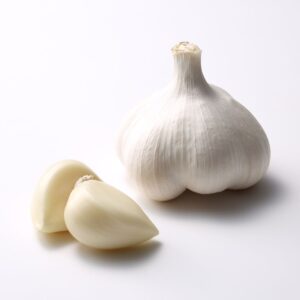
Temporarily avoid sulfur-rich foods:- Garlic, onions, broccoli, eggs, cabbage, cauliflower
- Focus on low-sulfur, well-cooked foods
- Support metabolism:
- Vitamin B1 (thiamine)
- Taurine
- Binders:
- Bentonite clay or zeolite to absorb sulfur byproducts
Natural antimicrobials:
- Avoid garlic extracts initially
- Use black seed oil (Nigella sativa) as the best option for this type
SIBO Treatment Is Comprehensive—Not Just Killing Bacteria
Effective treatment goes beyond eliminating bacteria and includes:
- Herbal antimicrobials (oregano oil, berberine, neem) with rotation
- Biofilm disruptors like NAC
- Motility enhancers such as ginger and artichoke extract
- Gut lining support with aloe vera and marshmallow root
Additional support may include:
- Magnesium citrate for constipation
- Peppermint for cramp relief
We also focus on balanced fiber intake that supports beneficial bacteria without overfeeding harmful ones, such as:
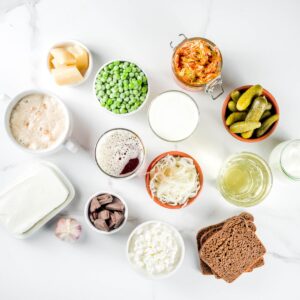
- PHGG (partially hydrolyzed guar gum)
- Resistant starch (green bananas, cooled potatoes)
- Smart fruits like kiwi and pomegranate (rich in polyphenols)
Preventing Relapse After Treatment
SIBO often returns if root causes are not addressed. Prevention includes:
- Spacing meals 4–5 hours apart
- 12-hour overnight fasting
- Supporting the vagus nerve (deep breathing, relaxation techniques)
- Using motility aids or prokinetics like ginger
- Digestive enzymes when needed
- Managing insulin resistance
After antimicrobial treatment, a triple probiotic approach can help restore balance:
- Lactobacillus
- Bifidobacterium
- Saccharomyces boulardii
Conclusion
SIBO is not one condition—it has three distinct types, and each requires a different strategy. True healing starts with identifying the type and addressing the root cause, not just managing symptoms.
When we restore gut motility, optimize digestion, and support the microbiome intelligently… real healing begins.
If you need more information about how to treat SIBO you can watch the full episode of Dr.Fajer AlJumairi’s YouTube Channel: