

Blog
How Can We Support Stem Cells Naturally? The Best Foods to Renew Cells and Restore Youth
Jan
In recent years, the topic of stem cells has gained significant attention because of their powerful role in tissue repair, wound healing, and blood vessel regeneration. As we age, the body’s ability to produce and renew these cells gradually declines, which helps explain slower recovery, weaker circulation, and a rise in chronic inflammation.
The good news is that research-supported nutrition and lifestyle strategies can help stimulate the body’s natural stem cell activity and improve the environment in which these cells function. This happens by reducing inflammation, supporting mitochondria, and improving antioxidant defense.
What Are Stem Cells, and Why Do We Need Them?
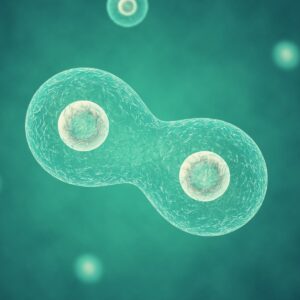
Stem cells are “flexible” cells with two essential abilities:
- Self-renewal
- The ability to transform into specialized cells depending on the body’s needs, such as heart cells, muscle cells, bone cells, cartilage, skin, or liver cells.
Their main function is maintaining balance in the body and repairing damaged tissues. However, with aging, their numbers decrease and their efficiency weakens, making the body less capable of healing and renewing itself.
Types of Stem Cells in the Body
To simplify, stem cells can be divided into the following types:
1) Embryonic Stem Cells
These have the highest ability to become any type of cell, but they are mainly used in research rather than common applications.
2) Adult Stem Cells
These exist in the body after birth and contribute to tissue repair and regeneration, such as in:
- Bone marrow
- Muscles
- Skin
- Liver
- Brain
3) Mesenchymal Stem Cells (MSCs)
These are among the most important stem cells used in regenerative medicine because they:
- Reduce inflammation and regulate immunity
- Stimulate tissue repair
- Support bone and cartilage health
- Work through secreting healing signals and repair factors (paracrine signaling)
4) Hematopoietic Stem Cells
These are responsible for producing blood cells (red blood cells, white blood cells, and platelets).
5) Endothelial Progenitor Cells (EPCs)
These help with:
- Repairing blood vessels
- Stimulating the growth of new capillaries
They are especially important for people with poor circulation or heart disease.
How Does Nutrition Affect Stem Cell Activity?
Modern research suggests that dietary components such as
- Vitamins and minerals
- Bioactive plant compounds (phytochemicals)
influence stem cells through:
- Reducing oxidative stress
- Supporting mitochondria and energy production
- Modulating inflammation
- Reducing cellular aging
Important note: both deficiency and excessive intake of these compounds may weaken stem cell performance. That is why balance and moderation are essential.
Best Foods That Stimulate Stem Cells and Support Blood Vessel Renewal
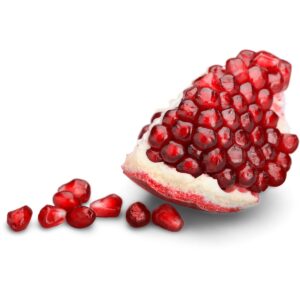
1) Pomegranate and Blueberries
Rich in flavonoids and antioxidants that reduce inflammation and protect stem cells from oxidative damage. They also support blood vessel and liver health.
2) Cruciferous Vegetables (Broccoli, Cauliflower, Cabbage)
High in sulforaphane, which activates liver detox enzymes and reduces inflammation that weakens stem cells over time.
3) Mushrooms (Especially Shiitake and Maitake) + Oats and Barley
Mushrooms contain beta-glucan, a soluble fiber that supports immunity and gut health and may contribute to cellular renewal.
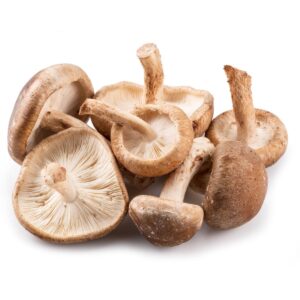 The mushroom stem contains more beta-glucan than the cap and may contain nearly double the amount.
Oats and barley are also rich in beta-glucan, and studies suggest they may support better cellular renewal.
4) Extra Virgin Olive Oil
Contains powerful antioxidants that protect cells from toxin-related damage and environmental exposure, supporting blood vessel integrity.
5) Raw Cacao and Dark Chocolate (80% or More)
Rich in strong plant compounds such as anthocyanins, which are considered among the most powerful antioxidants. Studies suggest regular cocoa intake may increase circulating stem cells in the blood and improve blood vessel elasticity.

6) Garlic (Allicin)
Allicin may support stem cell differentiation into bone cells, making it beneficial for bone strength and post-injury repair.
7) Red Grapes and Their Skins (Resveratrol)
Resveratrol supports stem cell growth and helps improve their differentiation toward bone cells and is known for its anti-aging and anti-inflammatory properties.
8) Fatty Fish
Fatty fish are rich in omega-3. Beyond reducing inflammation, omega-3 may support regeneration of:
- Cartilage
- Skin
- Brain
They also create a less inflammatory environment that allows stem cells to function efficiently.
The richest omega-3 fish include mackerel, salmon, and sardines.
Herbs and Natural Compounds That Support Stem Cells
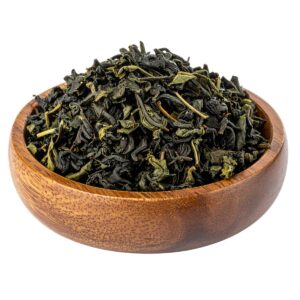
- Ginger: reduces inflammation and helps calm exaggerated inflammatory responses
- Turmeric (curcumin): a strong anti-inflammatory that supports cellular renewal signaling
- Ginseng (Panax ginseng and Panax notoginseng): supports neurological recovery and is used in Chinese medicine to support neural stem cells
- Green tea: rich in EGCG, supports the protection and production of stem cells and supports liver and brain health
- Medicinal mushrooms (reishi, cordyceps): immune support and antioxidant effects that improve cellular resistance to stress
Supplements That May Support Stem Cell Health
- High-quality omega-3: supports tissue renewal and reduces chronic inflammation
- Vitamin D3: helps preserve stem cell reserves and prevents depletion, especially those linked to muscle, immunity, and brain health
- CoQ10: supports mitochondria and reduces markers of cellular aging
- Resveratrol with NMN: supports stem cell growth and improves differentiation, especially toward bone health
- Melatonin (as needed): supports sleep and protects cells from oxidative damage
Key Lifestyle Habits That Stimulate Stem Cells Naturally
1) Regular Exercise
Physical activity increases circulating stem cells in the blood, especially EPCs, supporting:
- new blood vessel and capillary formation
- improved blood supply to organs
- better heart repair and tissue regeneration
High-intensity interval training (HIIT) may also increase BDNF in the brain, which is linked to neural regeneration.
2) Intermittent Fasting and Caloric Restriction (Depending on the Individual)

Evening fasting for 16 to 18 hours supports autophagy, a cellular cleansing and renewal process that improves the body’s repair capacity and creates a regenerative environment.
Note: fasting can be practiced three times a week, but long fasts should be avoided for pregnant and breastfeeding women, women with hormonal issues, or anyone with nutritional deficiency.
3) Deep Sleep
Lack of sleep weakens the movement of stem cells and their ability to migrate to repair sites. Quality sleep is therefore essential for restoring regeneration, especially between 9 PM and 1 AM.
4) Lowering Stress and Cortisol
Chronically elevated cortisol weakens the repair environment and drains cellular energy. Stress reduction protects stem cell function and improves their regenerative capacity.
5) Avoiding Toxins and Chemicals
Continuous exposure to environmental toxins, certain medications, smoking, and alcohol can weaken stem cells and harm sensitive tissues like tendons, cartilage, and blood vessels.
6) Cold Exposure
Cold exposure stimulates brown fat stem cells (brown adipose tissue), which are linked to improved metabolism and enhanced cellular adaptability.
Summary
Stem cells are not exclusive to advanced medical therapies. You can support them naturally through a diet rich in plant bioactive compounds, reducing inflammation and toxins, improving sleep, exercising regularly, and practicing smart fasting. These strategies not only enhance the body’s repair capacity but also protect stem cell efficiency with aging, support blood vessel health, and deepen recovery—while reducing the risk of chronic diseases and heart-related clotting conditions.
If you need more details about new scientific discoveries related to stem cells and longevity, watch this full episode on Dr. Fajer AlJumairi’s YouTube channel: