

Blog
Natural Foods to Fight Depression: A Complete Nutritional Guide for Mood Support

Dec
When you feel low, sad, or drained… you may want to look at your plate first. Your mental health begins in your gut, and any imbalance there reflects directly on your mood and overall well-being.
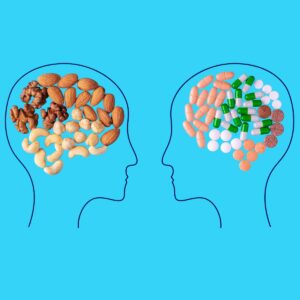
During difficult days, it’s easy to reach for quick comfort foods loaded with sugar and trans fats. But these choices feed harmful gut bacteria, increase inflammation, and intensify feelings of anxiety and sadness. In contrast, nutrient-dense foods support hormone balance and brain health and help stabilize mood, focus, and energy.
But what are these foods? Let’s explore together the top scientifically supported foods that boost the production of “happy hormones.”
1. Root Causes of Depression
Mental health is not separate from the rest of the body. Some of the most overlooked root causes include:
Nutrient Deficiencies
People with deficiencies in key nutrients have up to a 30% higher risk of developing depression—especially deficiencies in iron, vitamin D, B vitamins, and essential minerals like magnesium.
Metabolic Issues & Blood Sugar Dysregulation
Hormonal Imbalances
Gut Dysfunction & Chronic Constipation
These factors are often ignored when evaluating mental health, despite their direct impact on mood.
2. The Top 16 Foods That Support Mood & Fight Depression
1. Lentils
One of the most powerful mood-supporting legumes thanks to their high folate and iron content. These nutrients are essential for energy production and reducing neuroinflammation. Their fiber also helps stabilize energy throughout the day.
2. Sweet Potatoes & Wild Black Rice
Rich in complex carbohydrates that nourish beneficial gut bacteria and support serotonin production, helping reduce stress and improve sleep and mood.
3. Oats
Oats help stabilize blood sugar, preventing nervous tension and mood swings.
They also contain beta-glucan, which a 2021 study found to reduce anxiety, stress, and fatigue.
4. Grapes
Packed with flavonoids—powerful antioxidants that support brain health and uplift mood.
5. Bananas
A rich source of vitamin B6, necessary for producing dopamine and serotonin.
Bananas also provide steady energy thanks to their fiber, reducing sudden mood crashes.
6. Avocado
A natural hormone balancer due to its healthy fats. It supports neurotransmitter production that promotes calmness and emotional stability.
7. Extra Virgin Olive Oil
Rich in monounsaturated fats and polyphenols that reduce brain inflammation. Studies show its consumption is linked to lower rates of depression.
8. Walnuts & Pistachios
Among the richest foods in omega-3 fatty acids, antioxidants, and compounds that support neuron growth, memory, mood, and sleep.
9. Chia Seeds & Flaxseeds
Excellent sources of omega-3s and fiber that support the gut microbiome and brain health.
10. Fatty Fish (Salmon, Sardines, Mackerel)
Salmon is a strong source of vitamin B12, essential for brain health and protecting against depression.
Research shows people with higher B12 levels respond better to depression treatment.
These fish are also rich in anti-inflammatory omega-3s.
11. Leafy Greens (Spinach, Parsley, Cilantro, Purslane)
Loaded with magnesium that helps regulate stress, as well as B vitamins that protect the brain from inflammation.
12. Dark Chocolate & Raw Cocoa
Contain flavonoids that improve blood flow to the brain and increase serotonin.
Studies show dark chocolate reduces stress and enhances mood.
13. Sesame & Sunflower Seeds
Rich in tyrosine, an amino acid that boosts dopamine (the hormone of motivation and happiness).
14. Seaweed & Spirulina
Some of the richest natural sources of tryptophan—the building block for serotonin and melatonin (sleep and mood regulation).
15. Green Tea
Contains L-theanine, which promotes relaxation and reduces stress without causing drowsiness.
16. Chicken & Turkey
Excellent sources of tryptophan, the primary ingredient needed for the brain to produce serotonin.
3. Powerful Herbs to Improve Mood
Wild Thyme Tea (Dried Thyme Infusion)
Contains thymol, a compound that boosts the production of serotonin and dopamine, helping elevate mood.
Saffron
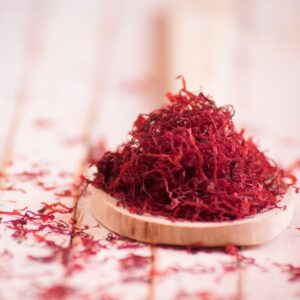
At a dosage of 30 mg daily (one capsule), saffron’s effectiveness is comparable to antidepressants. It also improves sleep and anxiety.
Warnings: Not recommended during pregnancy or for those with blood-thinning disorders.
Turmeric (Curcumin)
Has antidepressant-like effects thanks to its strong anti-inflammatory properties.
Recommended dosage: 500–1500 mg for 12 weeks.
Black Seed Oil
Rich in thymoquinone, a compound shown in studies to significantly enhance mood.
Take ½–1 teaspoon daily on an empty stomach.
Shilajit

Supports energy production in nerve cells and contains rare minerals that improve mental clarity.
4. Natural Supplements That Help Fight Depression
Vitamin D
One of the most effective supplements for depression. Testing is recommended before deciding the proper dose.
Omega-3
Supports mood and reduces neuroinflammation.
Take 3000 mg daily for 3 months.
Creatine
A recent study found that combining creatine with behavioral therapy reduced depression by 67%, versus 32% with therapy alone.
Recommended dose: 5 grams daily.
Magnesium Threonate & Glycinate
Can alternate between them daily.
Dose: 300–400 mg, taken one hour before bed.
St. John’s Wort
Highly effective for mild to moderate depression and shown to work as well as antidepressants.
Do NOT use during pregnancy, breastfeeding, or with antidepressant medications.
Dose: 300 mg, twice daily with meals.
Tryptophan (5-HTP)
Supports serotonin production and may ease mild to moderate depression.
Start with 300–500 mg daily, divided into 2–3 doses, then gradually increase weekly.
Warning: Not to be taken alongside antidepressant medications.
5. Simple Daily Practices That Fight Depression

- Warm foot soak with coarse salt + lavender oil (20 minutes)
- Foot massage with lavender or castor oil before bed
- Sunlight exposure
- Walking in nature and gazing into the horizon
- Prayer, gratitude, and expressive journaling
- Light exercise to boost endorphins
- Adequate sleep
6. Natural Remedies for the Root Causes of Depression
Depression may stem from underlying physical issues—not just psychological ones. Addressing the root cause is essential for true mood improvement.
1. Digestive Issues & Constipation
Chronic constipation causes gut inflammation, leaky gut, disrupted serotonin production, and elevated cortisol—all of which directly impact mood.
Treating constipation is a foundational step, and you can follow the natural solutions mentioned in the dedicated blog.
2. Hormonal Imbalances
Conditions like PCOS or hypothyroidism can lead to depression.
You can refer to the dedicated articles on managing PCOS or thyroid dysfunction naturally.
3. Metabolic Problems & Blood Sugar Dysregulation
Insulin resistance and unstable blood sugar cause mood swings and severe fatigue.
Solution: structured meals, complex carbs, and avoiding sugar.
See the detailed article on insulin resistance recovery steps.
4. Vitamin & Mineral Deficiencies
Low vitamin D, iron, magnesium… all can worsen depression. Testing and supplementation are essential.
5. Toxic Load
Excess toxins overwhelm the liver, affecting brain function and mood.
Supporting detoxification and reducing chemical exposure is crucial, as explained in the liver-support and safe cookware articles.
Conclusion
Depression is not just a psychological condition; it is the result of a complex interaction between the gut, hormones, nutrients, and inflammation. Food can be a powerful part of the healing journey—though not the only solution.
Choose what nourishes your body… because strong nutrition builds a stronger mind.
If you want more details about how to heal your constipation using natural foods and supplements in order to overcome depression, watch this episode below on Dr. Fajer’s YouTube channel: