

Blog
Polyphenols: The Elixir of Youth and the Secret to Your Health and Gut from Nature
Feb
Plants hold worlds full of secrets. Behind every medicinal plant we use lies an arsenal of bioactive compounds that modern science extracts to manufacture medicines. These compounds are responsible for a plant’s color, its intelligent aroma, and even its defense mechanisms against insects and harsh environmental conditions.
While we find plant “mucilage” in okra and flaxseeds to soothe and hydrate the digestive tract, and “anthraquinones” in senna to stimulate bowel movement, a shining star emerges in the world of therapeutic nutrition known as polyphenols. They are the hidden secret behind the success of the Mediterranean diet and its ability to grant its people radiant skin, strong hearts, and long lives filled with vitality and health.
What Are Polyphenols?
Polyphenols are a large family of powerful plant nutrients that act as potent antioxidants. This family is divided into several groups, the most famous being flavonoids, which alone include more than 6,000 different compounds.
These substances function as the plant’s “immune system,” produced abundantly when plants are exposed to environmental stress. When we consume them, this protection is transferred to us, helping to:
- Combat chronic inflammation
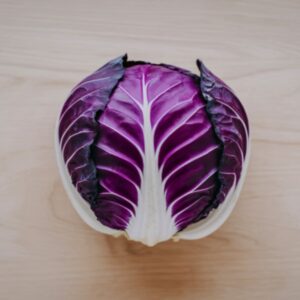
- Give fruits and vegetables their vibrant colors (blue, yellow, purple)
- Protect body cells from oxidative stress
Golden Tip: Most polyphenols are concentrated in the peels and outer layers of fruits and vegetables, so it is best to consume them unpeeled whenever possible to maximize benefits.
Comprehensive Health Benefits of Polyphenols
Polyphenols do not target just one system—they support the entire body.
1. Boosting Immunity and Fighting Free Radicals
These compounds act as a protective shield, guarding cells against damage caused by free radicals, which are major contributors to chronic diseases, especially cancer.
2. Mental Health and Cognitive Function
Certain polyphenols can cross the blood–brain barrier, helping to:
- Improve focus and attention
- Reduce brain inflammation
- Protect against neurodegenerative diseases such as Alzheimer’s and Parkinson’s
3. A Revolution in Digestive Health (A Fiber Alternative for SIBO Patients)

Recent research, particularly from Spain, has shown that polyphenols act as a “smart prebiotic.” Because their absorption in the small intestine is limited, they reach the colon where they nourish beneficial bacteria.
Special Advantage: They are an excellent option for individuals who cannot tolerate fiber (such as patients with Small Intestinal Bacterial Overgrowth – SIBO), as they help repair the gut lining without causing uncomfortable fermentation. Pomegranate is a powerful example.
Polyphenols and the Skin: The Secret to Lasting Radiance
If you are looking for an “edible skincare product,” polyphenols are the answer. Here’s how they help rebuild your skin:
Natural Sun Protection: Green tea (especially matcha), rich in EGCG, helps protect the skin from UV damage and reduces the risk of skin cancer.
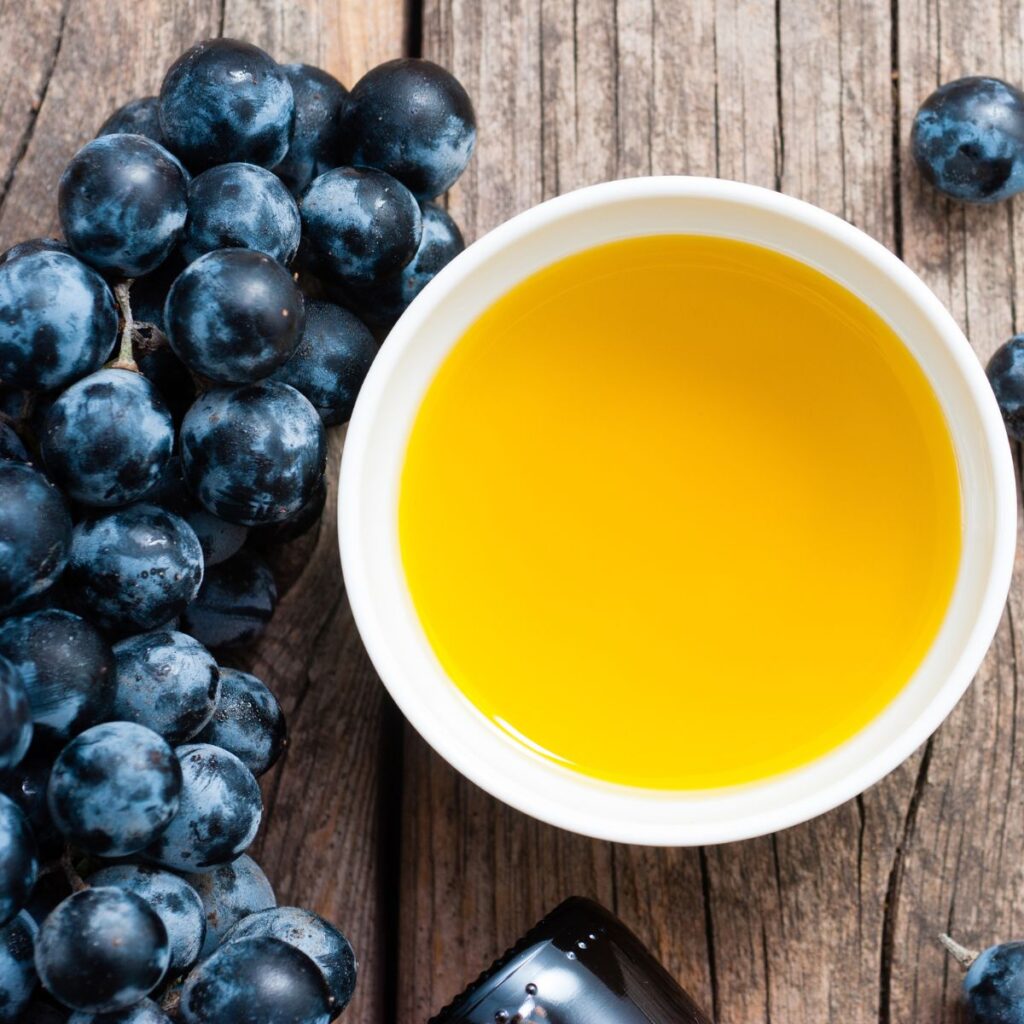
Fighting Premature Aging: Pomegranate extract and grape seeds support collagen production, reducing wrinkle depth and restoring skin elasticity.
Fast Results: Studies show that a combination of olive and rosemary extracts can improve skin hydration and regulate oil production within just two weeks.
Supporting Skin Conditions: Polyphenols may help in conditions such as vitiligo by enhancing antioxidant capacity within cells.

Top Food Sources Rich in Polyphenols
Spices and Aromatic Herbs: At the top of the list—especially cloves, one of the richest sources—along with mint, rosemary, cinnamon, turmeric, ginger, and cumin.
Pomegranate: The king of polyphenol-rich fruits. It is high in ellagitannins, which nourish beneficial gut bacteria, repair the gut lining, and remarkably enhance skin radiance.
Flaxseeds: An excellent source of polyphenols and fiber that support hormonal balance and heart health.
Dark Chocolate: Rich in flavonoids that improve mood, protect blood vessels, and stimulate stem cell production in the body.
Berries: Blueberries, strawberries, cherries, plums, and apple peels—which contain significantly higher concentrations of polyphenols than the flesh.
Functional Beverages: Black tea, green tea (matcha), and coffee are excellent daily sources for nerve protection.
Olives and Olive Oil: Green olives and extra virgin olive oil are foundational to heart protection and youthful skin in the Mediterranean diet.
Nuts: Especially hazelnuts and pecans, which provide strong antioxidant support along with healthy fats.

Grape Seeds: Among the most powerful sources for supporting collagen, skin elasticity, and strengthening capillaries.
Beetroot: Supports blood flow and the lymphatic system thanks to its high content of bioactive compounds.
Conclusion
Polyphenols are not merely pigments that give plants their color; they are a complete natural pharmacy. By incorporating spices, colorful fruits, and tea into your daily routine, you are not only nourishing your body—you are building a fortress against aging and disease.
If you need more information about a comprehensive plan that helps you look 20 years younger than your age, watch the episode below on Dr. Fajer AlJumairi’s YouTube channel: