

Blog
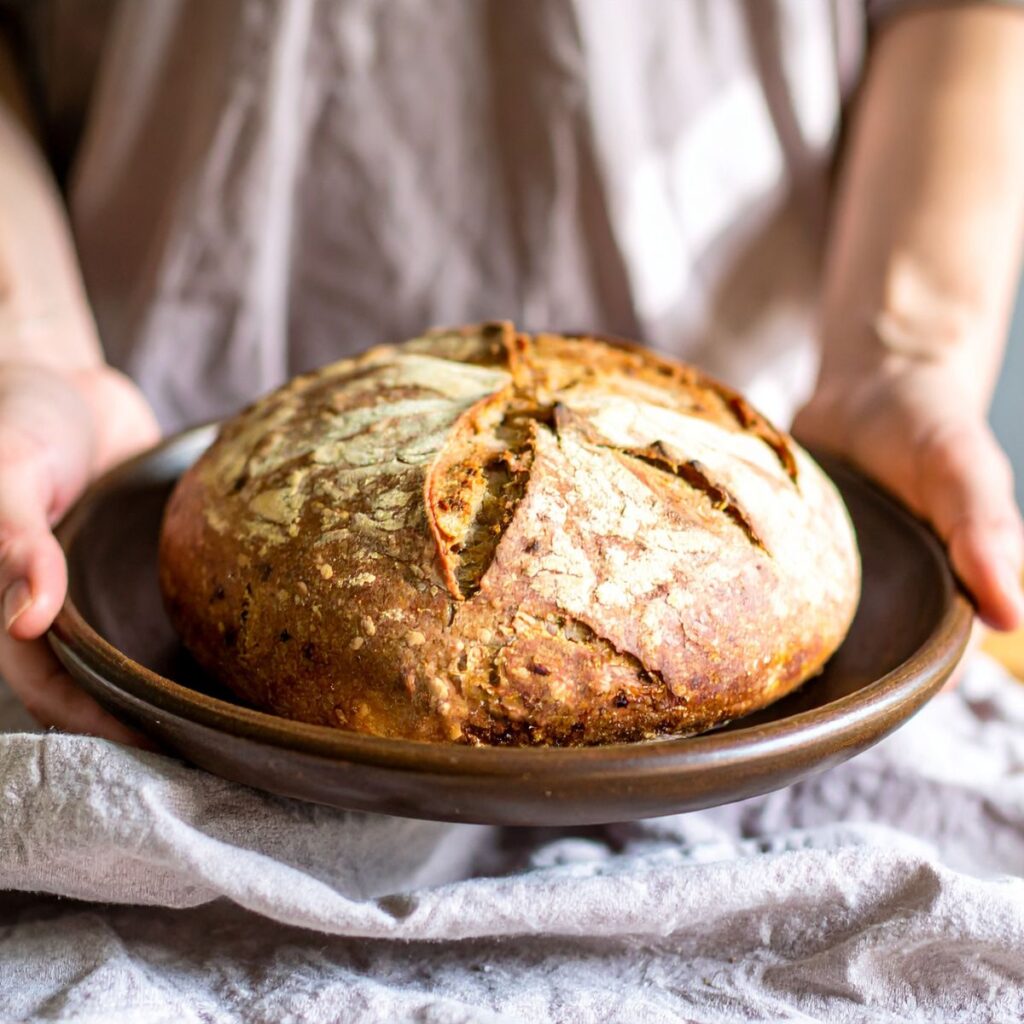
The Best Type of Bread to Support Digestive Healing: Sourdough Bread
Jan
Do you notice that many types of bread available today cause bloating, heaviness, and digestive discomfort?
You might assume the problem lies in wheat itself or in gluten, while in reality the issue is often related to modern bread-making methods: rapid fermentation, commercial yeast, and heavily processed flour.
This is where sourdough bread comes in.—The bread relied upon by ancient civilizations for centuries, consumed daily without causing the digestive issues so common today.
Sourdough is not a passing trend; it is one of the oldest and most intelligent methods of bread-making, based on slow fermentation that restores bread’s nutritional value and makes it gentler on the gut.
The History of Sourdough Bread and Natural Fermentation
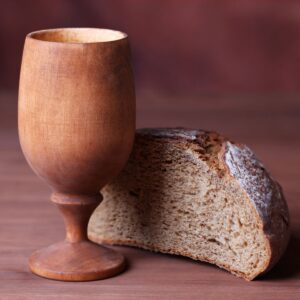
The story of sourdough dates back to ancient Egypt, where it is considered one of the earliest forms of fermented bread in history.
Historical accounts suggest it was discovered by accident, when dough was left out for an extended period, allowing wild yeasts from the air to ferment it naturally.
Ancient Egyptians noticed that this bread:
- Had a lighter texture
- Tasted better
- Stayed fresh longer without spoiling
From this discovery emerged the concept of the natural starter, the heart and soul of sourdough bread.
Today, sourdough may be served in artisan bakeries and specialty cafés, but at its core it remains a simple bread with deep roots, built on the wisdom of slow, natural fermentation.
What Is Sourdough Bread?
Sourdough bread is a traditional rustic bread made using a living natural starter instead of commercial yeast. This starter is created from just flour and water, left for several days to naturally cultivate wild yeasts and beneficial bacteria, especially lactic acid bacteria (Lactobacillus).
During long fermentation—often exceeding 12 hours—these microorganisms break down a significant portion of starches and sugars in the flour, partially degrade gluten proteins, and produce beneficial compounds such as organic acids and short-chain fatty acids that support a healthy gut environment.
For these reasons, sourdough bread is generally easier to digest, has a lower impact on blood sugar, and offers a distinctive flavor and airy texture without the need for artificial additives.
Key Benefits of Sourdough Bread and Why It’s Better for Digestion

1) Lower Impact on Blood Sugar (Low GI)
Commercial bread often causes rapid blood sugar spikes followed by energy crashes.
Sourdough’s long fermentation breaks down starches and sugars, resulting in a lower glycemic index and more stable energy levels.
2) Better Tolerance for Gluten Sensitivity
Extended fermentation allows beneficial bacteria to partially break down gluten proteins, making sourdough:
- Gentler on digestion
- Better tolerated by individuals with mild gluten sensitivity
Important note: Sourdough is not gluten-free if made from wheat, barley, or rye, but it is generally more digestible than conventional bread.
3) Rich in Postbiotics That Support Gut Health
Although beneficial bacteria do not survive baking, they leave behind powerful postbiotics, including:
- Short-chain fatty acids (SCFAs) such as butyrate, which strengthen and repair the gut lining
- Organic acids that create a mildly acidic digestive environment, limiting harmful bacteria growth
- Natural digestive enzymes that aid digestion and reduce bloating
4) Reduced Phytic Acid and Improved Mineral Absorption
Fermentation lowers phytic acid levels, improving the absorption of minerals such as:
- Iron
- Zinc
- Magnesium
5) Naturally Longer Shelf Life Without Preservatives
Lactic acid produced during fermentation gives sourdough its signature tang and naturally inhibits mold growth.
6) One of the Least Processed Breads
Authentic sourdough can be recognized by:
- A very short ingredient list
- A short shelf life
- No preservatives or artificial enhancers
The Best Types of Flour for Successful Sourdough and Why Flour Quality Matters
Sourdough success begins with flour selection. Flour feeds the starter and builds bread structure.
Protein content affects gluten strength and gas retention, while bran and fiber nourish fermentation but may weaken gluten if excessive.
1) Whole Wheat Flour
Ideal for starting a natural starter due to its mineral content and natural microbes. However, high bran content may weaken gluten structure, reduce loaf height, and increase water absorption.
2) Rye Flour
Excellent for feeding starters due to its enzyme content and fermentation speed. Rye produces a denser, stickier dough and increases natural acidity but works well when blended with wheat flour.
3) High-Protein Bread Flour
The best choice for the final loaf. Its strong gluten structure supports better rise, gas retention, and a light, airy crumb.
Best practice:
- Starter initiation: whole wheat or unbleached flour
- Feeding phase: a mix of white flour with whole wheat or rye
- Final bake: high-protein bread flour
How to Make Sourdough Bread from A to Z (With Key Tips)

First: Preparing the Starter
- The ideal temperature is between 21–28°C (70–82°F).
- On day one, mix 60 g warm water with 60 g whole wheat or unbleached flour.
- For the first 48 hours, do not feed. Unpleasant odors are normal.
- On day three, discard half and feed with equal parts water and flour.
- Repeat daily until day seven, when the starter should double within hours.
- Once active, the starter can be stored in the refrigerator and fed every two weeks.
Second: Baking the Bread
- Activate refrigerated starter by mixing equal parts starter, flour, and water and letting it rise for 3–4 hours.
- Mix water, starter, optional honey, and flour until combined. Rest 30 minutes.
- Add salt and perform stretch-and-folds four times at 30-minute intervals.
- Allow the dough to ferment for about two hours until doubled.
- Shape and cold-ferment in the refrigerator for 12 hours or more.
- Bake in a preheated cast-iron pot, removing the lid for the final minutes to brown the crust.
Key Tips for Successful Sourdough Bread:

- The success of sourdough depends largely on proper temperature control and avoiding rushing through the essential stages.
- Sourdough requires sufficient time to produce bread that is easy to digest and rich in fermentation-derived compounds.
- The most important sign of a healthy, ready starter is its ability to double within a few hours after feeding or to float on the surface of water.
- It is also essential to store sourdough bread at room temperature and avoid refrigerating it, as refrigeration accelerates drying.
- Authentic sourdough can be identified by its short ingredient list and short shelf life, since traditional sourdough does not require preservatives or industrial additives.
Conclusion
Sourdough bread is more than a healthier alternative to commercial bread—it represents a return to traditional food wisdom that respects the digestive system. Long fermentation enhances flavor, improves digestibility, stabilizes blood sugar, and increases nutrient absorption.
When prepared correctly with quality flour and an active natural starter, sourdough becomes one of the most balanced breads available—especially beneficial for those with bloating, mild gluten sensitivity, IBS, or recurrent digestive issues.
If you are looking for bread that satisfies both taste and gut health, sourdough is not a trend—it is a long-term nutritional choice that supports digestive wellness and overall health.
If you want more details about how to build your gut in 7 days, watch the full video below on Dr. Fajer Jumairi’s YouTube channel: