

Blog
The Keys To Your Health Lie In Three Elements Within Your Gut!
Feb
Gut health is not merely a matter of digestion or getting rid of bloating; it is a fundamental pillar of overall body health. Inside our intestines live trillions of microorganisms known as the gut microbiome, forming a delicate symbiotic relationship based on balance and cooperation. These organisms do not function randomly; they perform complex vital roles, including digesting fibers that the human body cannot break down, producing important vitamins such as certain B vitamins and vitamin K, synthesizing short-chain fatty acids that help reduce inflammation, regulating the immune system, and influencing the brain and mood through what is known as the gut–brain axis. Any disruption in this balance may manifest as digestive disorders, weakened immunity, chronic inflammation, mood fluctuations, and even disturbances in weight and metabolism.
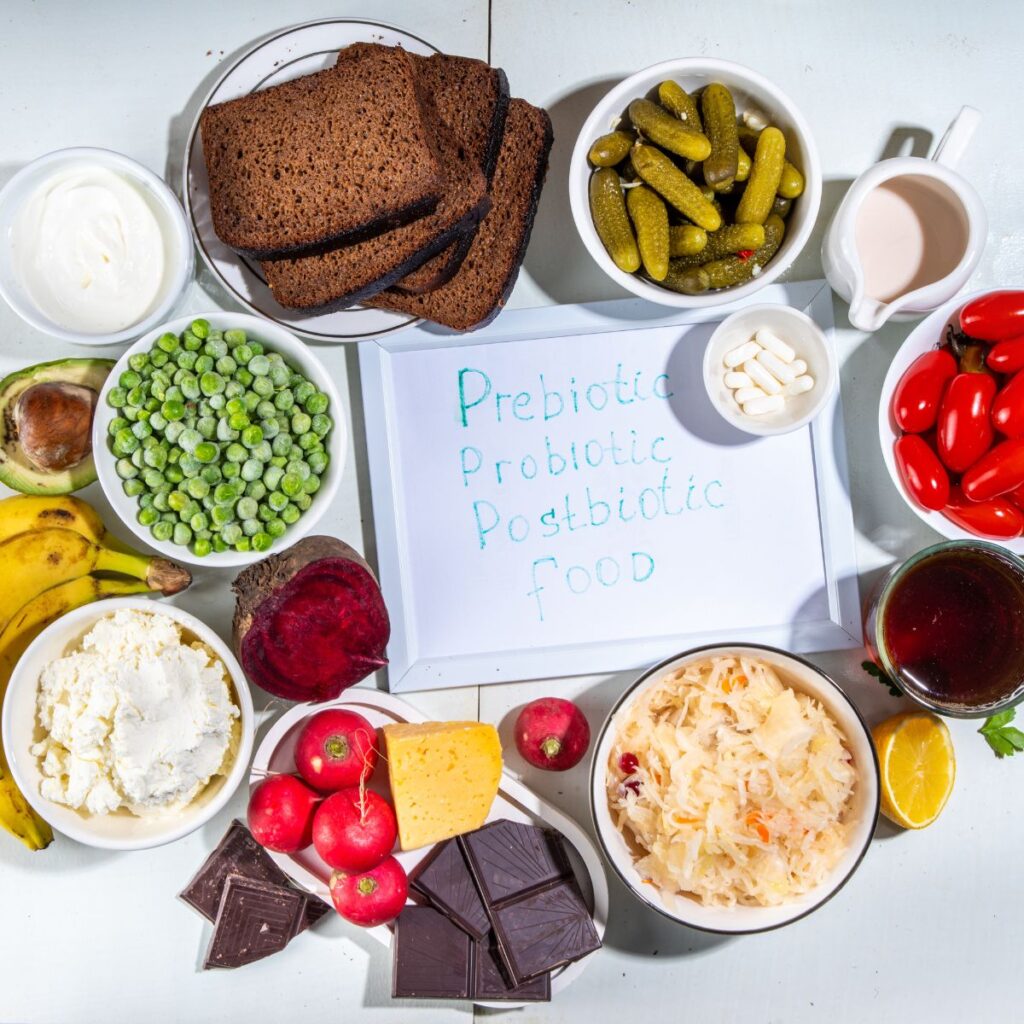
It is important to recognize that probiotics are not the only factor supporting digestive health; prebiotics and postbiotics play complementary roles of equal importance. Although their names and benefits may overlap, each has a distinct function in the body and specific food sources. Together, these three elements work as an integrated system to support microbiome balance, strengthen gut health, enhance immunity, and promote overall well-being.
First: Probiotics (Beneficial Bacteria)
What are probiotics?
Probiotics are live microorganisms, such as certain types of bacteria and yeasts, which, when consumed in adequate amounts, provide proven health benefits. These organisms help maintain balance in the gut microbiome and limit the proliferation of harmful bacteria by competing for nutrients and attachment sites on the intestinal lining, thereby reducing the growth of pathogenic microbes.
The most commonly studied and used types include:
- Lactobacillus
- Bifidobacterium
- Saccharomyces boulardii (a beneficial yeast)
The mechanisms of action of probiotics are complex and varied, and their effects differ significantly depending on the specific strain used in the supplement.
How do probiotics work?

Research indicates that probiotics:
- Compete with harmful bacteria for nutrients and binding sites.
- Strengthen the intestinal barrier and reduce permeability (leaky gut)
- Modulate the immune system and reduce inflammation
- Produce antimicrobial substances
- Support recovery from or prevention of metabolic disorders
- Influence the nervous system through chemical and neural signaling
Are probiotics always beneficial?
Not always. Recent research suggests that:
- Some probiotic supplements may delay microbiome recovery after antibiotic use.
- In conditions such as SIBO or impaired gut motility, they may worsen symptoms like bloating and gas.
- Probiotics do not always colonize the gut permanently, and their effects may be temporary.
For this reason, many researchers today favor fermented foods over supplements.
Dietary sources of probiotics
- Natural yogurt
- Kefir
- Sauerkraut
- Kimchi
- Miso
- Tempeh (fermented soy)
- Certain aged cheeses
Fermented foods provide not only live bacteria but also beneficial fermentation byproducts that supplements alone do not offer.
Should probiotics be taken after antibiotics?
Probiotics are commonly used after antibiotics to restore beneficial bacteria. However, one study showed that probiotic supplements may delay the natural recovery of the microbiome. Participants who took probiotics required more than five months to restore balance, compared to about three weeks in the placebo group. This suggests that probiotics after antibiotics are not always the best option.
Second: Prebiotics – Food for Beneficial Bacteria
What are prebiotics?
Prebiotics are nondigestible fibers and carbohydrates that reach the colon intact because human enzymes cannot break them down. There, they serve as a primary food source for beneficial bacteria. Most prebiotic compounds are natural carbohydrates found in everyday foods and vary in molecular structure. Common types include inulin, fructooligosaccharides (FOS), galactooligosaccharides (GOS), and lactulose. They are naturally present in whole grains, onions, garlic, bananas, legumes, and other plant-based foods.
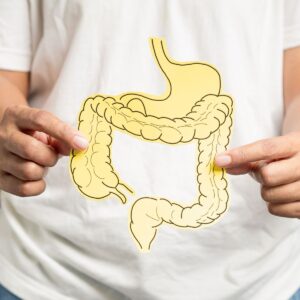
When these fibers reach the colon, beneficial bacteria ferment them, producing short-chain fatty acids such as acetate, propionate, and butyrate. These compounds play a crucial role in reducing inflammation, maintaining intestinal lining integrity, and regulating immunity and metabolism.
Why are they important?
In the absence of prebiotics:
- Beneficial bacteria starve.
- Microbiome diversity decreases.
- Bacteria may begin consuming the protective mucus layer of the gut.
- Inflammation and intestinal permeability increase.
What does research show?
Studies indicate that prebiotics:
- Increase the growth of Bifidobacteria and Lactobacilli.
- Reduce pathogenic bacteria.
- Stimulate SCFA production and maintain intestinal barrier integrity.
- Activate immune cells and support anti-inflammatory pathways.
- Enhance mineral absorption such as calcium and magnesium.
Should prebiotic supplements be used or food preferred?
Despite the popularity of prebiotic supplements, obtaining them from fiber-rich foods remains the best option. Whole foods provide a wide variety of fibers that support microbial diversity, along with vitamins and antioxidants not found in supplements.
Supplements may be used when needed (or at the beginning of a gut cleansing or treatment plan), preferably those containing mixed fibers. However, natural food sources remain the safest and most effective long-term approach.
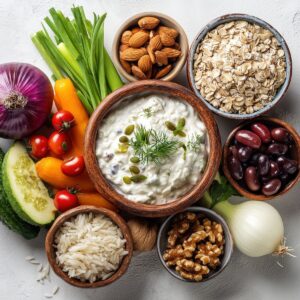
Best food sources of prebiotics
- Legumes: lentils, chickpeas, beans
- Whole grains: oats, barley, brown rice, whole wheat
- Vegetables: broccoli, artichokes, sweet potatoes, asparagus
- Inulin-rich vegetables: garlic, onions, leeks, chicory root
- Fruits: apples, slightly green bananas, berries
- Nuts and seeds: chia seeds, flaxseeds, walnuts
Diversity is key, as each bacterial species feeds on different fibers. The greater the diversity of fiber sources in your diet, the stronger and more diverse your microbiome becomes.
Third: Postbiotics – The Therapeutic End Products
After understanding probiotics (beneficial bacteria) and prebiotics (their fuel), we arrive at the third and deeper level of gut health: postbiotics.
What are postbiotics?
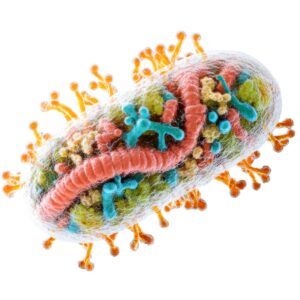
Postbiotics are the bioactive compounds produced by beneficial bacteria during fiber fermentation, or inactivated bacterial components that still retain therapeutic biological effects. In other words, they are the final beneficial products resulting from the combined action of probiotics and prebiotics.
According to the ISAPP scientific definition, postbiotics include:
- Inactivated or heat-killed bacterial cells.
- Cell wall components (such as peptidoglycans and teichoic acids).
- Functional proteins and peptides
Short-chain fatty acids (SCFAs) - Polyamines
- Vitamins
- Bacteriocins (antimicrobial compounds)
- Other bioactive metabolites
Key advantages of postbiotics:
- They do not need to be alive to provide benefits.
- They are safer for sensitive populations.
- They are more stable during storage and manufacturing.
Difference between probiotics and postbiotics
Probiotics are live microorganisms that must remain viable in the gut.
Postbiotics are non-living bacterial components or metabolic products that remain active even after bacterial inactivation.
Research has shown that some health benefits do not require live bacteria; certain cell components alone can stimulate immune or neural responses.
Thus, postbiotics are considered a safer modern option for:
- Immunocompromised individuals
- Elderly individuals
- Critically ill patients
- Patients with irritable bowel syndrome (IBS) and sensitive guts
How do postbiotics work?
They function through multiple mechanisms:
- Modifying microbiome composition.
- Reducing intestinal inflammation.
- Supporting survival of intestinal epithelial cells.
- Enhancing sodium and fluid absorption in the colon.
- Influencing the nervous system and mood.
The most researched postbiotics are derived from Lactobacillus strains, particularly heat-killed preparations. Clinical studies show that heat-inactivated Lactobacillus can reduce IBS symptoms, improve stool consistency, and shorten diarrhea duration, while offering greater safety and stability than live probiotics, especially in children or immunocompromised individuals.
Research also suggests potential positive effects on anxiety and sleep quality, reflecting the gut–brain connection.
Types of postbiotics and their benefits
Short-chain fatty acids (SCFAs)
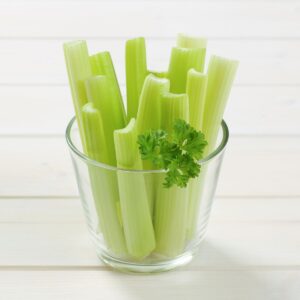
Butyrate:
- Primary energy source for colon cells.
- Strengthens the intestinal barrier.
- Reduces inflammation.
- Supports mucosal immunity.
- Positively influences the brain and mood.
Foods that enhance butyrate production include resistant starch (cooked and cooled potatoes and rice, green bananas, legumes), oats, barley, garlic, onions, and leeks. Small amounts are found directly in butter and certain cheeses, but internal production from fiber is more important.
Acetate:
- Helps regulate appetite.
- Supports immune balance.
Found directly in fermented foods such as vinegar, kimchi, and kefir.

Propionate:
- Supports liver health.
- Helps regulate blood sugar.
Enhanced by fermentable fibers such as inulin-rich foods (chicory root, Jerusalem artichokes, garlic) and whole grains like barley and oats
Studies link increased SCFA production to improved constipation, reduced inflammation, and stronger intestinal lining integrity.
Microbially activated plant metabolites
Certain plant compounds become more bioactive after microbial fermentation, such as:
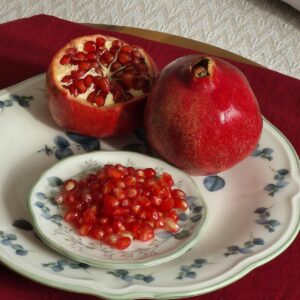
Urolithin (from pomegranate and walnuts)
Potential benefits:
- Supports mitochondrial health.
- Improves muscle function.
- Slows cellular aging.
Foods that enhance such metabolites include tea, coffee, berries, raw cocoa, pomegranate, and walnuts.
Bacterial cell wall components
Even after bacterial inactivation, cell wall fragments and membrane-associated proteins remain active. They:
- Stimulate innate immunity.
- Strengthen the gut barrier.
- Reduce inflammation.
Most studies focus on heat-inactivated Lactobacillus preparations that reduce pain, bloating, and stool frequency in IBS patients.
Bacteriocins
These are antimicrobial peptides produced by beneficial bacteria. They:
- Inhibit harmful bacterial growth
- Maintain microbial balance
- Reduce risk of gut infections
Natural food sources rich in postbiotics

Fermented foods are the primary source:
- Authentic sourdough bread
- Miso
- Tempeh
- Unpasteurized apple cider vinegar
- Aged cheeses such as Parmesan
- Yogurt and kefir
Raw, non-fermented foods contain very little postbiotics. Fermented foods are rich in bioactive metabolites. Even after heat treatment, certain postbiotic compounds remain active despite the absence of live bacteria.
Supplements: When are they needed?
Supplements are not a substitute for balanced nutrition but may be useful in cases such as:
- Impaired gut barrier
- Chronic inflammation
- Advanced digestive disorders
An example is Complete Gut Health by MaryRuth’s, which combines prebiotics, probiotics, and a key postbiotic for gut support.
It contains Tributyrin, a compound that serves as a direct source of butyrate:
- Efficiently releases butyrate in the colon.
- Supports intestinal lining repair.
- Reduces inflammation.
However, long-term reliance on supplements without dietary changes may not support natural microbiome balance.
Conclusion
The gut microbiome is an integrated system that depends on delicate balance, and optimal support begins with food, not supplements. A diet rich in vegetables, fruits, legumes, whole grains, and nuts provides prebiotics that feed beneficial bacteria, while fermented foods supply probiotics that carry out fermentation. Together, they produce postbiotics, responsible for most of the gut’s health benefits. Supplements can be helpful when needed but remain supportive tools rather than replacements for balanced nutrition. When this trio functions in harmony, digestion improves, immunity strengthens, inflammation decreases, and communication between the gut and brain is enhanced—positively influencing overall health and long-term vitality.
If you need more information about how to heal naturally leaky gut follow the link below on Dr. Fajer AlJumairi’s YouTube Channel: