

Blog
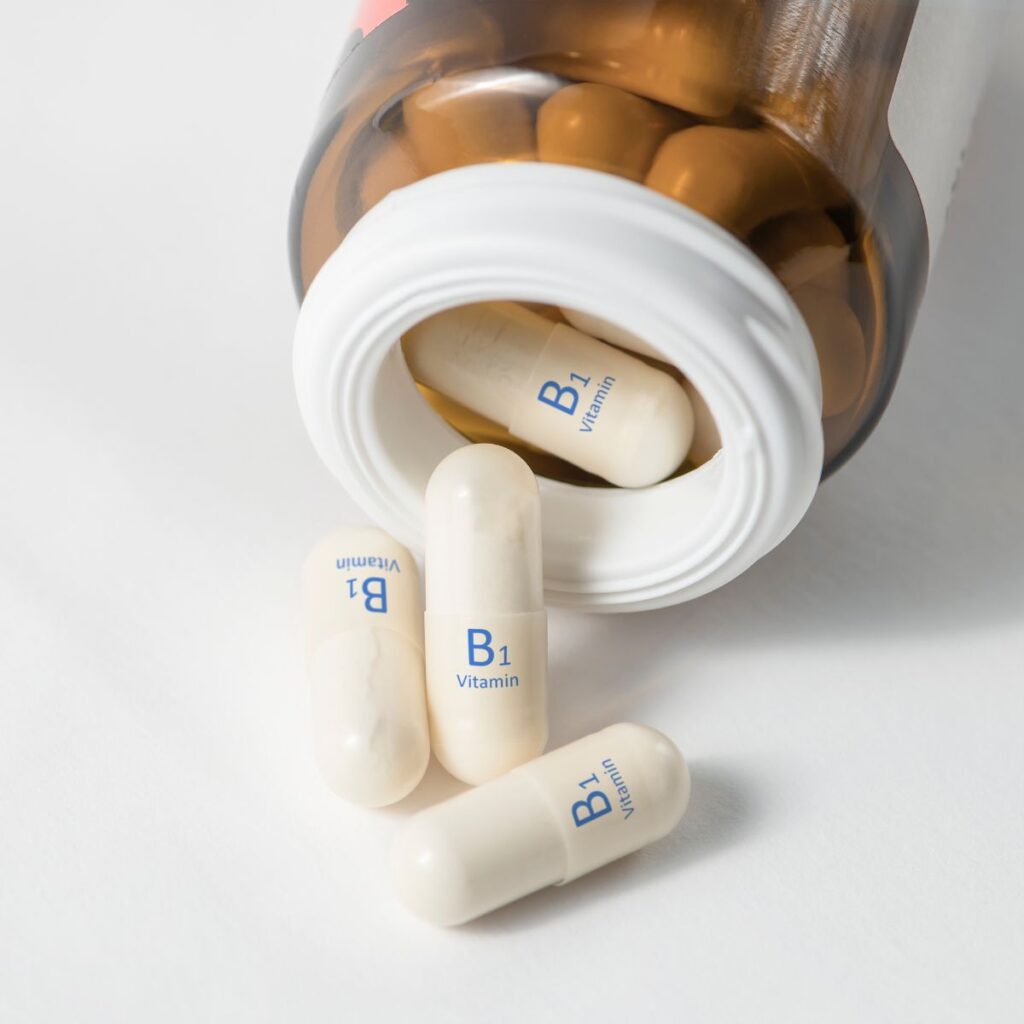
Vitamin B1 (Thiamine): The Silent Solution for Irritable Bowel Syndrome and Gut Motility Regulation
Feb
Millions of people suffer from Irritable Bowel Syndrome (IBS), and many are told that the condition is “chronic” or purely linked to stress and anxiety. However, recent research in functional medicine and gut health points to a different reality:
IBS is not a disease in itself, but rather a description of symptoms resulting from deeper dysfunctions within the digestive system.
True healing does not begin with suppressing symptoms, but with identifying and addressing the root cause of intestinal irritation and irregularity.
What Lies Behind an IBS Diagnosis?
In the past, IBS was largely considered a psycho-neurological disorder, which is why antidepressants were commonly used as part of treatment.
Today, we understand that the gut microbiome, intestinal motility, and autonomic nervous system function play a central role.
Among the most important hidden contributors to IBS are:
- Small Intestinal Bacterial Overgrowth (SIBO)
- Small Intestinal Fungal Overgrowth (SIFO)
- Impaired gut motility
- Low stomach acid
- Pancreatic enzyme insufficiency
- Gallbladder dysfunction
- Hypothyroidism
- Vitamin B1 (thiamine) deficiency, which may be the primary driver behind many of the conditions above
Why Do Symptoms Persist Despite Diet and Supplements?
Many patients:
- Follow strict diets
- Use antimicrobial or herbal protocols
- Take probiotics and digestive enzymes
Yet symptoms often return. In many cases, the missing piece is failure to address impaired gastrointestinal motility. Emerging research highlights a key, often overlooked factor: vitamin B1 deficiency.
Vitamin B1: The Missing Link in Gut Health
Vitamin B1 is not just an “energy vitamin.” It is essential for:
- Cellular energy production
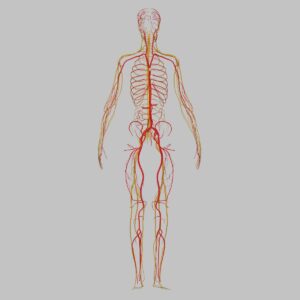
- Nervous system protection
- Regulation of gastrointestinal motility
- Stomach acid secretion
- Vagus nerve (parasympathetic) support
Research suggests that vitamin B1 deficiency may directly or indirectly contribute to:
- IBS
- Chronic constipation
- Acid reflux
- SIBO and SIFO
- Leaky gut syndrome
Thiamine (vitamin B1) plays a central role in metabolism and nervous system health, and clinical studies indicate that replenishing vitamin B1 may help reduce intestinal inflammation and improve fatigue and digestive symptoms.
Causes of Thiamine (Vitamin B1) Deficiency
- Poor dietary intake: Low consumption of thiamine-rich foods such as whole grains, legumes, nuts, and seeds
- Digestive disorders: IBS and malabsorption conditions reduce thiamine absorption
- Alcohol consumption: Chronic intake interferes with thiamine absorption and utilization
- Increased metabolic demand: Pregnancy and hyperthyroidism raise thiamine requirements, increasing deficiency risk if intake is inadequate
How Does Vitamin B1 Deficiency Affect the Digestive System?
1. Impaired Gut Motility
The gastrointestinal tract is one of the systems most affected by vitamin B1 deficiency. In severe cases, a condition known as gastrointestinal beriberi may develop—often misdiagnosed as SIBO or IBS with constipation (IBS-C).
This occurs because vitamin B1 is critical for autonomic nervous system function. Deficiency disrupts brain centers responsible for autonomic regulation, leading to faulty nerve signaling that negatively impacts digestion.
At the same time, the enteric nervous system relies on neurotransmitters to stimulate normal intestinal contractions. Thiamine is essential for synthesizing these neurotransmitters. When levels are low, this results in:
- Reduced vagus nerve activity
- Weakened intestinal contractions
- Slowed gastric and intestinal transit
- Food stagnation, creating an environment favorable to harmful bacterial overgrowth
2. Low Stomach Acid (Hypochlorhydria)

Studies show that vitamin B1 deficiency:
- Inhibits hydrochloric acid secretion
- Impairs protein digestion
- Increases bloating, belching, and reflux
- Reduces the stomach’s ability to neutralize bacteria entering with food
This explains why some people with heartburn worsen when using acid-suppressing medications long-term.
3. Impaired Digestive Enzymes and Nutrient Absorption
Vitamin B1 deficiency affects:
- Pancreatic enzyme secretion, leading to incomplete digestion and undigested food in stool
- Brush border enzyme activity in the intestines, which is essential for breaking down food before absorption. Studies show these enzymes may be reduced by 42–66%, causing indigestion and malabsorption even with a high-quality diet
- Absorption of other vitamins (B2, B6, and active B1)
This initiates a vicious cycle of malnutrition caused by malabsorption—despite adequate food intake.
Other Symptoms of Vitamin B1 Deficiency
- Unexplained chronic fatigue
- Brain fog
- Depression and anxiety
- Tingling or weakness in the limbs
- Bloating and gas
- Alternating constipation and diarrhea
- Acid reflux
- Heightened food sensitivities
Food Sources Rich in Vitamin B1
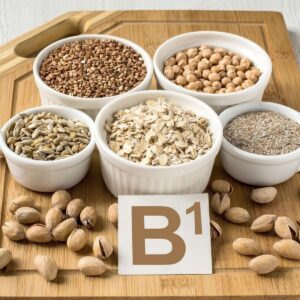
To maintain healthy thiamine levels, include:
- Brewer’s yeast
- Oats, wheat germ, and barley grass
- Brown rice
- Cooked lentils, black beans, peas, and Lupin
- Sunflower and flax seeds
- Nuts (especially macadamia and pecans)
- Beef liver and beef
- Tuna, salmon, and shellfish
- Asparagus, spinach, Brussels sprouts
- Oranges, cantaloupe, and dates
Are Supplements Necessary?
In advanced cases, food alone may not be sufficient—especially with:
- Malabsorption
- Long-standing digestive disorders
- Prior use of acid suppressants or laxatives
Research suggests that certain forms of vitamin B1, such as TTFD, may be particularly effective in:
- Improving gut motility
- Supporting the enteric nervous system
- Treating functional constipation and delayed gastric emptying
TTFD does not stimulate gut movement indiscriminately; rather, it acts only when motility is impaired, restoring balance instead of overstimulation.
Conclusion
IBS is not a final diagnosis—it is a warning sign of deeper digestive and neurological dysfunction.
Vitamin B1 deficiency is a critical and often overlooked factor and may be the missing key behind the failure of conventional treatments.
If you need to know more about natural treatments for SIBO, you can watch the full episode below on Dr.Fajer AlJumairi’s Youtube Channel: