

Blog
The Best Vitamins and Supplements for Women Over 40: A Full Guide to Hormonal Balance, Energy, and Healthy Aging

Oct
Turning 40 brings important changes to a woman’s body. As estrogen begins to fluctuate during perimenopause, maintaining muscle mass, bone density, energy, and hormonal balance becomes increasingly important.
Although a nutrient-rich diet and regular exercise remain the foundation of healthy aging, certain supplements can help fill nutritional gaps, support brain function, preserve muscle strength, and promote long-term wellness.
Here are the most important nutrients and supplements to consider after 40, how they work, and how to use them effectively.
1. Creatine: For Muscle Strength, Brain Health, and Energy
Creatine is a naturally occurring compound that helps the body produce energy. It is stored primarily in muscles as phosphocreatine, which helps regenerate ATP, the main energy source used by cells.
Women gradually lose muscle mass with age, and this process can accelerate after menopause as estrogen declines.
Key benefits:
- Muscle strength: Supports muscle performance and helps preserve lean muscle, especially when combined with resistance training.
- Bone health: Stronger muscles help support bones, although creatine’s direct effects on bone density remain uncertain.
- Brain function: May support memory and cognitive performance by improving cellular energy availability.
- Mood: Emerging research suggests potential benefits for mood regulation.
Recommended dosage: 3–5 g of creatine monohydrate daily, at any convenient time. Consistency matters more than timing,also you should pair it with excercises.

2. Protein: Essential for Preventing Age-Related Muscle Loss
After 40, the body gradually becomes less responsive to the muscle-building effects of dietary protein, a process known as anabolic resistance.
Adequate protein intake helps preserve muscle, support metabolism, and improve recovery after exercise.
Recommended intake: Approximately 1.2–1.6 g per kilogram of body weight daily for many healthy, physically active women. This may equal 80–100 g per day, depending on body weight (this dietary guidelines are only for woman with no chronic kidney diseases).
Good sources include eggs, fish, poultry, meat, dairy, organic soy, and legumes.
Protein powders can help when dietary intake is insufficient. Choose products containing all nine essential amino acids, with minimal added sugar and unnecessary ingredients.
3. Hydrolyzed Collagen: For Skin Elasticity and Joint Support
Natural collagen production gradually declines with age, contributing to changes in skin firmness, connective tissues, and joint comfort.
Hydrolyzed Halal Bovine collagen provides peptides that may support skin hydration and elasticity, with emerging evidence for benefits in joint discomfort and healing leaky gut.
Recommended dosage: Approximately 10–20 g daily, depending on the formulation and intended use.
Pair collagen with vitamin C-rich foods, since vitamin C is essential for the body’s own collagen production.
Important: Collagen is an incomplete protein and should not replace complete dietary protein.
4. Vitamin D3: For Bones, Muscles, and Immunity

As estrogen declines, women become more vulnerable to bone loss, making vitamin D especially important.
Vitamin D helps regulate calcium and phosphorus absorption, supports muscle function, and contributes to normal immune responses.
Key benefits:
- Supports bone mineralization and reduces complications associated with deficiency.
- Helps maintain muscle function and strength.
- Regulates immune-cell activity and inflammatory responses.
- Supports normal cellular and neurological function.
Low vitamin D levels have also been associated with cardiovascular and autoimmune conditions.
Recommended dosage: Often 800–2,000 IU daily as maintenance dose, with higher doses considered according to blood-test results. Avoid routinely exceeding 4,000 IU daily without medical supervision.
Take vitamin D3+K2 with a meal containing healthy fats to improve absorption.
5. Omega-3 Fatty Acids: For Brain, Heart, and Inflammation
Omega-3 fatty acids, particularly EPA and DHA, are essential components of cell membranes and help regulate inflammatory signaling.
During perimenopause, declining estrogen may contribute to changes in inflammatory activity, making adequate omega-3 intake particularly valuable.
Key benefits:
- Brain health: Supports neuronal membranes and normal cognitive function.
- Heart health: Helps lower elevated triglycerides and supports cardiovascular function.
- Muscle recovery: May influence muscle protein synthesis and recovery, although findings are mixed.
- Gut health: Experimental research suggests omega-3s may support intestinal barrier integrity and influence the microbiome.
- Thyroid health: Their anti-inflammatory activity may support general thyroid health.
Recommended dosage: Approximately 1–2 g of combined EPA and DHA daily when supplementation is appropriate.
Food sources include salmon, sardines, and mackerel. Choose purified, independently tested fish oil supplements when needed.

6. Magnesium: For Sleep, Stress, and Muscle Function
Magnesium participates in hundreds of biochemical reactions, including energy production, nerve signaling, muscle contraction, and blood sugar regulation.
Insufficient magnesium intake may contribute to muscle cramps, fatigue, and poor overall well-being.
Key benefits:
- Supports normal muscle and nerve function.
- May improve sleep in individuals with inadequate magnesium intake.
- Contributes to energy metabolism.
- Supports normal blood pressure and glucose regulation.
Recommended dosage: Magnesium glycinate or bisglycinate is commonly used at 200–400 mg daily, depending on the amount of elemental magnesium and individual needs. Magnesium L-threonate is another available form for cognitive benefits.
Evening supplementation may be convenient for relaxation. Higher supplemental doses should be medically supervised, particularly in kidney disease.
7. B-Complex Vitamins: For Energy, Brain Function, and Metabolism
B vitamins help convert carbohydrates, proteins, and fats into usable cellular energy.
They also support nervous-system function, red blood cell production, and DNA synthesis.
Vitamin B12 deserves particular attention because absorption may decline with age, especially in people with gastrointestinal conditions or those taking certain medications.
Key benefits:
- Supports normal energy metabolism.
- Helps maintain nerve function and mental clarity.
- Supports red blood cell formation.
- Helps prevent fatigue associated with deficiency.
How to supplement: A balanced B-complex can be useful when dietary intake is insufficient. Vitamin B12 may be taken separately when deficiency is confirmed.
Methylcobalamin and cyanocobalamin are both effective B12 forms; the most suitable choice depends on individual circumstances.
8. Ashwagandha: For Stress and Sleep Support
Ashwagandha is an adaptogenic herb studied for its potential effects on stress, sleep, and perceived anxiety.
Some clinical trials suggest it may help reduce stress symptoms and influence cortisol levels.
Key benefits:
- May improve perceived stress.
- May support sleep quality.
- May help with stress-related fatigue.
- Support thyroid health
How to supplement: Follow the dose used for the specific standardized extract, since formulations differ substantially.
Ashwagandha is not appropriate for everyone, particularly during pregnancy or in certain thyroid, autoimmune, or liver conditions.
9. Selenium: For Thyroid Function and Antioxidant Protection
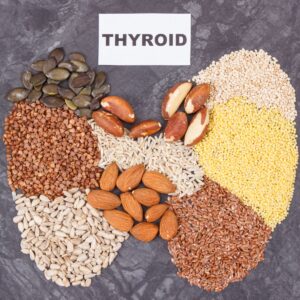
Selenium is a trace mineral required for thyroid hormone metabolism and antioxidant enzyme activity.
It helps protect cells against oxidative damage and contributes to immune function.
Key benefits:
- Supports conversion and metabolism of thyroid hormones.
- Contributes to antioxidant defenses.
- Supports normal immune function.
Food sources: 2 Brazil nuts, sunflower seed, seafood, eggs, and meat.
Brazil nuts are particularly rich in selenium, but their content varies widely. Excessive intake can cause toxicity, so supplementation should be based on dietary intake and individual needs.
How to Choose High-Quality Supplements
Not all supplements offer the same quality or effectiveness.
When selecting a product, consider:
- Bioavailability: Choose well-studied, appropriately absorbed forms.
- Ingredient transparency: Look for clearly listed active ingredients and quantities.
- Third-party testing: Prefer products independently tested for purity and potency.
- Minimal additives: Avoid unnecessary fillers and excessive sweeteners when possible.
- Appropriate dosage: More is not necessarily better.
Building Your Daily Supplement Routine After 40
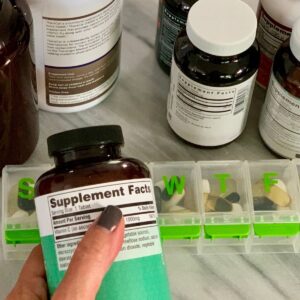
Knowing which supplements to take is only part of the equation. Timing and consistency can also help improve tolerability and absorption.
Morning with breakfast: Take vitamin D3 and omega-3 with a meal containing healthy fats. B vitamins can also be taken in the morning when needed.
Around your workout: Creatine can be taken before or after exercise, while protein and collagen can be incorporated according to daily nutritional needs.
Evening: Magnesium may be taken with dinner or before bed. Ashwagandha may also be used according to the product and individual response.
Review your routine every three months. Reassess which supplements remain necessary, especially those used to correct deficiencies. Some nonessential products may be paused for like a month break each 3 months, but prescribed supplementation should not be discontinued without appropriate reassessment.
Nutrient Combinations That Work Well Together
Certain nutrients complement one another:
- Vitamin D3, calcium, and magnesium: Work together to support normal bone metabolism. Vitamin K also participates in bone-related protein function.
- Iron and vitamin C: Vitamin C improves absorption of non-heme iron from plant foods.
- Collagen and vitamin C: Vitamin C supports the body’s natural collagen synthesis.
- Creatine, protein, and resistance training: Work together to support muscle strength and recovery.
These combinations can be helpful, but not every woman needs all of them.
Why Exercise Matters Just as Much as Supplements
Supplements cannot replace the benefits of physical activity.
Resistance training provides the stimulus that tells muscles to grow and adapt, while protein supplies essential amino acids and creatine helps support exercise performance.
Aim for resistance training two to three times per week, using weights, resistance bands, or bodyweight exercises.
Combine this with regular walking, balanced meals, adequate sleep, and stress management.
Final Thoughts
The nutritional needs of women change after 40, particularly as estrogen fluctuates and the body becomes more vulnerable to muscle loss, declining bone density, and changes in energy and sleep.
Creatine, protein, collagen, vitamin D3, omega-3s, magnesium, B vitamins, selenium, and selected herbal supplements may offer valuable support when chosen according to individual needs.
The goal is not to take as many supplements as possible, but to build a targeted routine that complements healthy nutrition, resistance training, quality sleep, and regular medical assessment.
If you need more informations about how to support your health in perimenaupose and menaupose, watch the full episode below on Dr Fajer alJumairi’s youtube channel: