

Blog
Why Gut Health Changes After 40 — And How It Affects Hormones, Mood, Weight, and Aging

May
For many women, the years after 40 come with unexpected symptoms that seem to appear “out of nowhere”: bloating, fatigue, stubborn weight gain, anxiety, poor sleep, food sensitivities, brain fog, skin flare-ups, and hormonal chaos.
What many women do not realize is that these changes are often deeply connected to the gut microbiome. Groundbreaking research has revealed something remarkable: a woman’s gut microbiome diversity tends to plateau around the age of 40, then gradually begins to decline alongside reproductive hormones.
These changes do not only affect digestion. The oral and vaginal microbiomes are also influenced, which may contribute to gum disease, recurrent urinary tract infections, vaginal dryness, and increased vaginal infections during midlife.
The Gut–Hormone Connection
During perimenopause and menopause, the gut microbiome undergoes major shifts, to the point that some studies show the postmenopausal microbiome starts to resemble a male microbiome. This happens because estrogen and progesterone play a major role in maintaining microbial diversity, intestinal integrity, and immune balance. As these hormones fluctuate and decline, several cascading changes begin to occur inside the gut:
- Loss of beneficial bacteria such as Lactobacillus and Bifidobacteria
- Reduced microbial diversity
- Increased intestinal permeability (“leaky gut”)
- Greater inflammation
- Reduced production of beneficial compounds like short-chain fatty acids
Why Estrogen Depends on Gut Health?
One of the most important discoveries in recent years is the role of the estrobolome — the specialized group of gut bacteria involved in estrogen metabolism.
Hormones do not simply disappear after the body uses them. Estrogen passes through several phases before elimination:
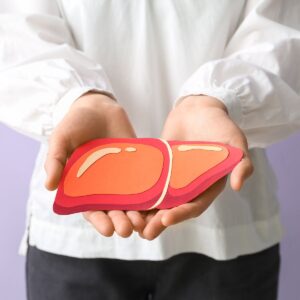
Phase 1: Liver Transformation
The liver converts estrogen into metabolites, some beneficial and some potentially inflammatory depending on genetics, detoxification capacity, and nutrition.
Phase 2: Conjugation
These metabolites are prepared for elimination through processes influenced by nutrients, methylation, and liver health.
Phase 3: Gut Elimination
Conjugated estrogen is released into the intestines through bile, where gut bacteria become critically important.
Healthy gut bacteria help regulate an enzyme called beta-glucuronidase, which determines whether estrogen leaves the body properly or gets reabsorbed back into circulation.
When the microbiome becomes imbalanced due to stress, antibiotics, infections, poor diet, or dysbiosis, estrogen recycling may become disrupted. This can contribute to:
- PMS symptoms
- Estrogen dominance
- Breast tenderness
- Mood swings
- Weight gain
- Heavy periods
- Hot flashes
- Hormonal acne
This is why gut health is not only about digestion — it is fundamental to hormonal balance during perimenopause and menopause.
Estrogen Also Protects the Gut Barrier
Estradiol directly helps maintain the integrity of the intestinal lining by supporting tight junction proteins that keep the gut barrier strong. In simple terms: Estrogen helps protect against leaky gut.
As estrogen declines, the intestinal barrier often becomes more permeable, allowing inflammatory compounds, toxins, and food particles to pass more easily into circulation.
This may trigger:
- Food sensitivities
- Increased inflammation
- IBS symptoms
- Skin flare-ups
- Autoimmune activation
- Fatigue and brain fog
The Histamine–Hormone Connection

Many women notice that during perimenopause they suddenly become more reactive to foods, alcohol, stress, or environmental triggers.
Fluctuating estrogen and lower progesterone levels can destabilize mast cells — immune cells responsible for releasing histamine.
Because mast cells heavily populate the gut lining, this can trigger symptoms throughout the body such as:
- Bloating
- Cramping
- Hives or itchy skin
- Food sensitivities
- Headaches
- Anxiety
- Heart palpitations
- Poor sleep
- Brain fog
This also explains why some women suddenly stop tolerating fermented foods for example as well as they once did.
Hydrogen Sulfide Overgrowth: The Hidden Gut Imbalance in Midlife
Another emerging issue during perimenopause is hydrogen sulfide overgrowth. Hydrogen sulfide is a gas naturally produced by certain gut bacteria. In small amounts it may be beneficial, but in excess it can damage the intestinal lining and increase inflammation.
Symptoms may include:
- IBS-like symptoms
- Diarrhea or bloating
- Gas with a rotten egg smell
- Increased food sensitivities
- Fatigue
- Brain fog
- Joint pain
- Autoimmune flares
- Worsening inflammation
Perimenopause creates the perfect environment for these imbalances because hormonal shifts weaken microbial stability and intestinal resilience.
Why the Gut–Brain Axis Matters More After 40
The gut and brain constantly communicate through the gut–brain axis.
More than 90% of serotonin is produced in the gut, and gut microbes strongly influence inflammation, stress hormones, mood, and nervous system signaling.
When gut health declines, women often notice:
- Anxiety
- Mood swings
- Irritability
- Poor sleep
- Mental fatigue
- Reduced stress tolerance
Supporting the microbiome often improves not only digestion, but also emotional resilience and mental clarity.
Nutritional Foundations for Restoring Gut Health For Woman over 40
The goal is not perfection or restrictive dieting. The goal is rebuilding resilience and microbial diversity.
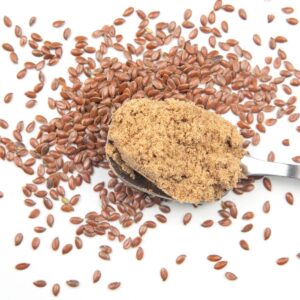
Focus on Fiber-Rich Foods
Fiber feeds beneficial bacteria and supports estrogen elimination.
Helpful options include:
- Grounded Flaxseeds
- Whole grains
- Oats
- Legumes
- Cruciferous vegetables
- Leafy greens
- Increase Fermented Foods (if tolerated)
Fermented foods help support microbial diversity and beneficial bacteria.
Examples include:
- Kefir
- Live yogurt
- Sauerkraut
- Kimchi
- Miso

Prioritize Healthy Fats
Healthy fats help reduce inflammation and support hormones.
Good sources include:
- Olive oil
- Avocados
- Walnuts
- Pumpkin seeds
- Oily fish
Eat More Polyphenol-Rich Foods
Polyphenols help beneficial bacteria grow and reduce oxidative stress.
Excellent choices include:
- Berries
- Green tea
- Dark chocolate
- Olive oil
- Herbs and spices

Support Blood Sugar Balance
Blood sugar instability worsens hormonal symptoms and inflammation.
Focus on:
- Quinoa
- Brown rice
- Sweet potatoes
- Lentils
- Protein-rich meals
- Nuts and seeds
Include Phytoestrogen Foods
Certain plant compounds gently support estrogen balance.
Examples include:
- Flaxseeds
- Broccoli
- Kale
- Cauliflower
- Organic Tofu
- Sesame seeds
- sage tea
Lifestyle Habits That Heal the Gut
Gut healing is not only about food. The nervous system plays a major role in digestion and microbial balance.
Important daily habits include:
- Prioritizing sleep
- Managing stress
- Gentle movement like walking or yoga
- Nervous system regulation
- Deep breathing
- Spending time outdoors
Chronic stress alone can alter gut permeability and microbial diversity.
Final Thoughts
The changes many women experience after 40 are not “just aging.” Hormonal shifts during perimenopause and menopause profoundly affect the gut microbiome, intestinal barrier, inflammation levels, and even brain chemistry.
When gut health declines, the effects ripple throughout the entire body — influencing hormones, mood, skin, metabolism, immunity, and energy.
The encouraging news is that the microbiome is adaptable. Through nourishing foods, stress regulation, sleep, movement, and targeted support when needed, it is possible to rebuild resilience from within.
Supporting the gut during midlife is not simply about improving digestion. It is one of the most powerful ways to support healthy hormones, graceful aging, and long-term vitality.
If you need more detailed informations about how to support your hormones as a woman over 40 you can watch the full video below, on Dr.Fajer AlJumairi’s YouTube Channel: