

Blog
Atopic Dermatitis: The Comprehensive Scientific Guide to Healing Eczema Naturally from the Root Cause
May
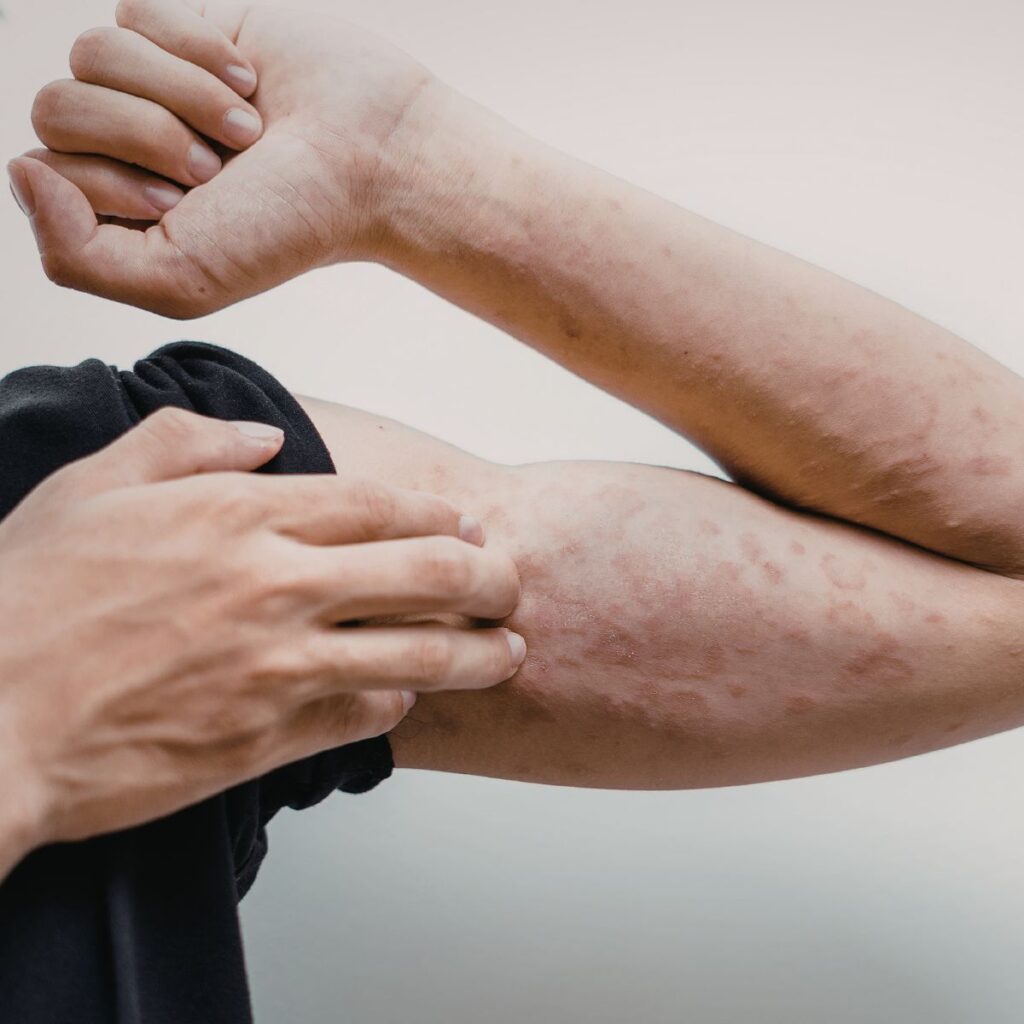
Eczema, also known as atopic dermatitis, is one of the most common chronic inflammatory skin conditions worldwide. However, it is far more than just dry skin or a superficial rash. In functional medicine, eczema is not viewed as an isolated skin disorder, but rather as a signal from the body indicating deeper imbalances involving the immune system, gut health, the microbiome, chronic inflammation, and even blood sugar dysregulation.
Millions of people suffer from chronic itching, redness, skin flaking, and recurrent skin infections associated with eczema. Yet modern research now shows that the root causes often begin inside the body—not just on the skin itself. Strong links have been identified between eczema and immune dysfunction, histamine overload, gut microbiome imbalance, food sensitivities, and insulin resistance.
The chronic itching associated with eczema does not only affect the skin. It can significantly impair sleep quality, mental health, mood, and neurological well-being, making eczema a systemic inflammatory condition that requires a deeper and more integrative healing approach.
Eczema, Immunity, and Histamine
Research shows that a large percentage of eczema patients have elevated IgE antibodies, either total IgE or IgE linked to specific allergens. This reflects an overactive immune response and exaggerated hypersensitivity to foods or environmental triggers.
One of the most important compounds involved in eczema flare-ups and itching is histamine. Histamine is a chemical released during allergic and inflammatory reactions, and studies have found significantly elevated histamine levels in individuals with atopic dermatitis.
The issue is not only excessive histamine production. Many patients also struggle with impaired histamine breakdown due to reduced activity of key enzymes such as:
- DAO (Diamine Oxidase)
- HNMT (Histamine N-Methyltransferase)
These enzymes are responsible for degrading and clearing histamine from the body. When their function becomes compromised due to gut dysfunction or chronic inflammation, histamine accumulates and worsens itching, redness, and inflammation.
High-Histamine Foods and Their Effect on Eczema
Research suggests that a histamine-rich diet may significantly worsen eczema symptoms, while reducing histamine intake may help calm inflammation and itching.
High-histamine foods include:
- Fermented foods such as kombucha and kefir
- Aged cheeses like parmesan and blue cheese
- Tuna, mackerel, and smoked fish
- Spinach, eggplant, and potatoes
- Strawberries and cherries
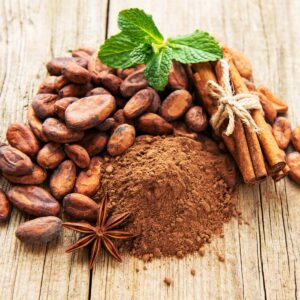
- Cinnamon, cloves, and chili peppers
- Fermented soy products such as tofu and tempeh
Some foods are not necessarily high in histamine but can trigger histamine release from immune cells, including:
- Citrus fruits
- Nuts
- Alcohol
This is why a low-histamine diet can become an essential part of an eczema healing protocol, especially for individuals experiencing severe nighttime itching or persistent redness.
The Connection Between Eczema and Blood Sugar

One of the most important modern discoveries is the strong relationship between blood sugar dysregulation and eczema severity. Studies show that individuals with insulin resistance or metabolic syndrome are more likely to develop inflammatory skin disorders.
When blood sugar spikes repeatedly, a process called glycation occurs. During glycation, sugar molecules bind to proteins in the skin, forming compounds known as: Advanced Glycation End-products (AGEs)
These compounds contribute to:
- Increased inflammation and oxidative stress
- Collagen and elastin damage
- Reduced skin elasticity
- Accelerated skin aging
- Impaired skin barrier function
Elevated AGEs have also been linked to worsening eczema due to their direct role in chronic inflammation and poor skin repair.
For this reason, stabilizing blood sugar, reducing processed sugar intake, and maintaining balanced meals are important parts of healing eczema from within.
The Gut-Skin Axis: Eczema May Be a Sign of Gut Imbalance
In functional medicine, gut health is considered one of the primary drivers of skin health. The gut is not merely a digestive organ—it is a major immune control center that regulates inflammation throughout the body.
When gut bacteria become imbalanced, a condition known as dysbiosis develops. Harmful bacteria and fungi begin releasing inflammatory compounds and toxins that may enter the bloodstream due to increased intestinal permeability, often referred to as “leaky gut.” These inflammatory processes can manifest through skin conditions, especially eczema.
Important contributing factors include:
Candida Overgrowth (Candida albicans)
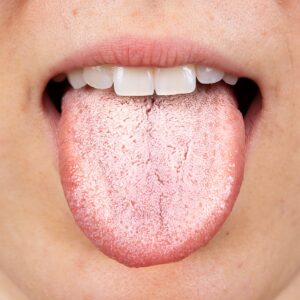
Studies have found a strong association between elevated antibodies against Candida and eczema severity, suggesting that fungal overgrowth in the gut may contribute to chronic inflammation and itching.
Some patients may benefit from antifungal support protocols that include:
- Reducing sugar intake
- Using herbal antimicrobials
- Supporting gut healing and beneficial bacteria
Helicobacter pylori (H. pylori)
It is also important to rule out H. pylori infection, as it may impair nutrient absorption, disrupt immune balance, and increase systemic inflammation.
Nutrient Deficiencies and Eczema
Poor gut absorption commonly leads to deficiencies in nutrients essential for skin repair, including:
- Zinc
- Vitamin C
- Vitamin D
- Vitamin E
These nutrients play a critical role in reducing inflammation and promoting skin healing.
Staphylococcus aureus and Eczema

Studies suggest that nearly 90% of eczema patients have skin colonization with Staphylococcus aureus, a bacterium known to worsen inflammation, increase itching, and raise the risk of skin infections.
One of the most studied natural remedies is virgin coconut oil, which research has shown may reduce the growth of this bacterium by up to 95% when applied topically twice daily for one month.
Other natural approaches that may support the skin microbiome include:
- Olive oil infused with black seed oil
- Aloe vera
- Tea tree oil
- Turmeric
These ingredients possess antimicrobial and anti-inflammatory properties that may help calm irritated skin.
A Comprehensive Natural Protocol for Eczema Healing
True eczema healing does not focus solely on suppressing symptoms. It requires identifying triggers, repairing the gut, calming immune overactivation, and supporting the skin internally and externally.
Step 1: Elimination Diet
The most common immune-triggering and histamine-rich foods are removed for 6–12 weeks, including:
- Gluten
- Dairy
- Eggs
- Soy
- High-histamine foods
During this phase, the diet focuses on nutrient-dense foods that support the liver and gut, such as:
- Celery juice
- Chia seeds and ground flaxseeds for omega-3 support
- Leafy greens
- Antioxidant- and mineral-rich smoothies
This is followed by a gradual reintroduction phase, where foods are reintroduced individually every three days to monitor skin reactions carefully.
Evidence-Based Supplements for Eczema Support
Vitamin D3
Low vitamin D levels are strongly associated with increased inflammation and skin infections. Deficiencies should be corrected based on laboratory testing.
Probiotics
Probiotics may help:
- Repair the gut lining
- Reduce inflammation
- Support immune balance
Herbal Antimicrobials
Examples include:
- Garlic
- Oregano oil
- Goldenseal
These may help reduce bacterial and fungal overgrowth.
Skin and Immune Support Nutrients
Helpful nutrients may include:
- Zinc
- Vitamin C
- Vitamin E
- B-complex vitamins
- Kelp
- Chamomile
- Grape seed extract or resveratrol
DAO Enzyme
DAO supplementation may help break down histamine and could be beneficial for individuals with histamine intolerance associated with eczema.
The Risks of Overusing Steroid Creams
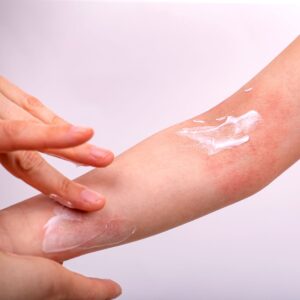
Although topical corticosteroids may temporarily relieve symptoms, excessive long-term use can lead to a condition known as Topical Steroid Withdrawal (TSW), where the skin becomes:
- Intensely red
- Inflamed
- Extremely sensitive
This is why corticosteroids should be used cautiously while simultaneously addressing the root causes rather than only suppressing inflammation.
Environmental Toxins and Their Effect on Eczema
Environmental exposures can increase the inflammatory burden on the body, particularly in eczema sufferers.
It is recommended to:
- Avoid synthetic fragrances
- Reduce exposure to industrial chemicals
- Use natural skincare products
- Replace aluminum or copper cookware when necessary
- Support liver detoxification and reduce toxic load
Why Eczema Should Never Be Ignored
Untreated eczema affects far more than the skin. It may lead to complications such as:
- Secondary skin infections
- Skin thickening (lichenification)
- Chronic sleep disturbances
- Anxiety and depression
- Reduced quality of life
Studies also show that eczema patients are at higher risk for other conditions including:
- Asthma
- Allergic rhinitis
- Arthritis
- Mental health disorders
Eczema Care During Winter
Eczema symptoms often worsen during winter due to dry air and impaired skin barrier function.
Helpful strategies include:
- Using a humidifier
- Applying ceramide-rich moisturizers immediately after showering
- Avoiding excessively hot water
- Wearing soft cotton fabrics
- Supporting internal hydration
- Taking omega-3 supplements
- Consuming antioxidant-rich foods
Conclusion
Eczema is not simply a superficial skin condition—it is often a reflection of deeper imbalances involving immunity, gut health, the microbiome, inflammation, blood sugar regulation, and histamine balance.
True healing begins when we stop merely suppressing symptoms and start understanding the signals the body is trying to communicate. When gut health is restored, inflammation is reduced, immune balance is supported, and environmental and dietary triggers are removed, the skin can gradually heal and regain its natural balance.
Healing eczema is a journey that starts from within—but eventually transforms the skin, sleep, energy, and overall quality of life.
If you need more informations about how to heal your gut from the root, watch the full episode below on Dr. Fajer Al Jumairi’s YouTube channel: