

Blog
Best Food and Supplements to Boost Brainpower and Better Memory: Keep Your Brain Young
Nov
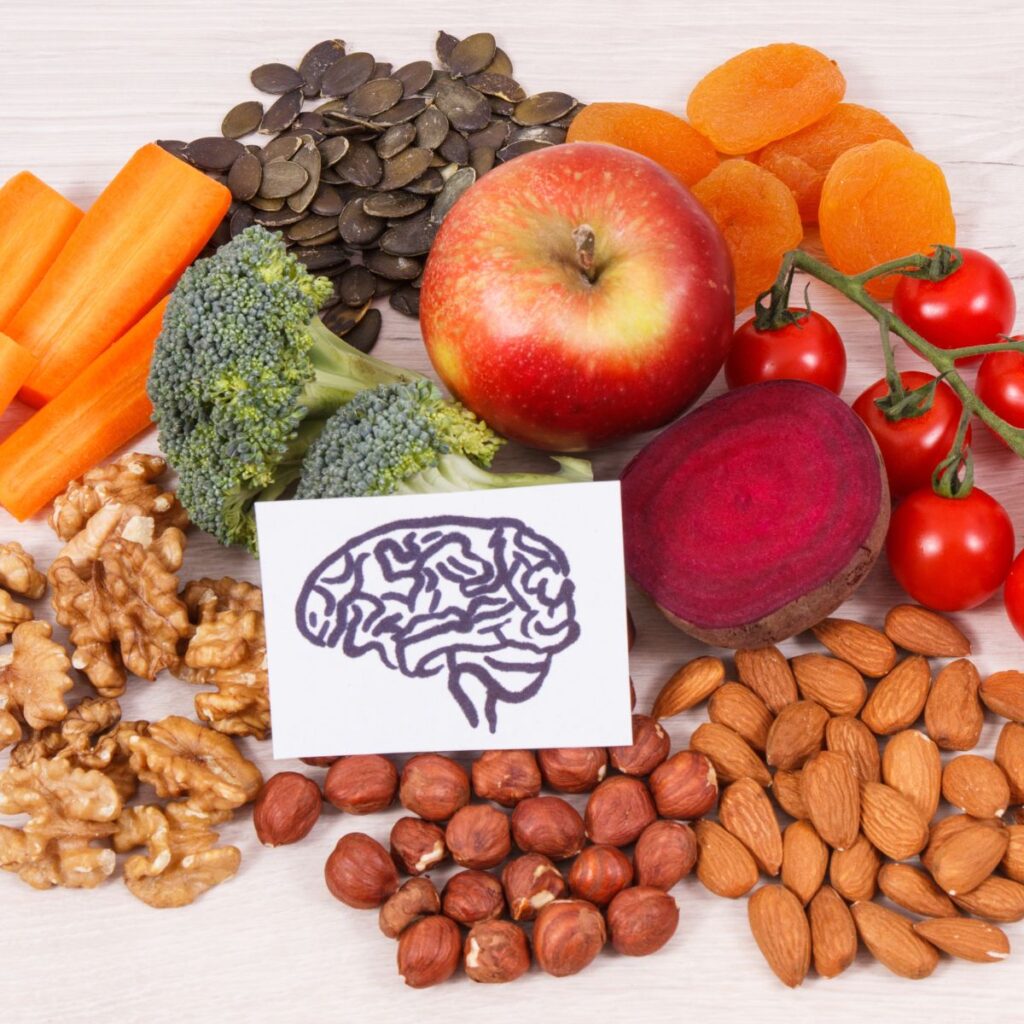
What if some of the most powerful foods for your brain are already sitting in your kitchen, but you’re overlooking them?
We often associate memory loss, poor concentration, and slower thinking with aging. But your brain’s health is also influenced by what you eat every day.
Although your brain represents only about 2% of your body weight, it consumes approximately 20% of your body’s energy at rest.
It constantly needs nutrients to produce energy, maintain communication between nerve cells, and protect itself from inflammation and oxidative stress.
Research suggests that Mediterranean-style and MIND diets, rich in vegetables, berries, healthy fats, fish, and whole grains, may support memory and healthier brain aging.
But beyond these familiar foods, several overlooked ingredients contain compounds that scientists are now studying for their potential effects on brain health.
1. Berries and Dark Raisins: Antioxidants for Memory
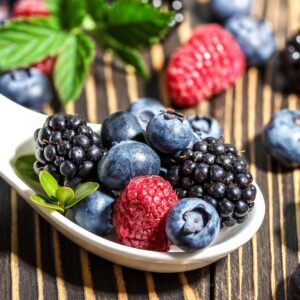
Blueberries, blackberries, and raspberries contain anthocyanins, antioxidants that give berries their deep colors.
These compounds help protect cells from oxidative stress and may support communication between brain cells. Some clinical studies suggest regular berry consumption can improve certain aspects of memory and attention.
Dark raisins are another interesting option. They contain polyphenols and small amounts of boron, a trace element involved in several biological processes.
Boron deprivation is linked to poorer scores on tasks testing short-term memory, attention span, perception, and learning
How to use them: Add berries and a small portion of dark raisins to Greek yogurt, oatmeal, or smoothies.
2. Avocado, Olive Oil, and Coconut Oil: Different Fats, Different Brain Benefits
Your brain depends on healthy fats to maintain the structure of its cells.
Avocados and extra virgin olive oil provide monounsaturated fats that support cardiovascular health, which is closely connected to brain health.
Olive oil also contains polyphenols that help protect cells against oxidative damage.
Coconut oil works differently. Some of its fats can be converted into ketones, an alternative energy source for the brain.
How to use them: Add avocado to breakfast, use olive oil for salads and cooking, and enjoy coconut oil occasionally rather than as your main dietary fat.
3. Salmon, Walnuts, Chia, and Flaxseeds: Building Blocks for Brain Cells
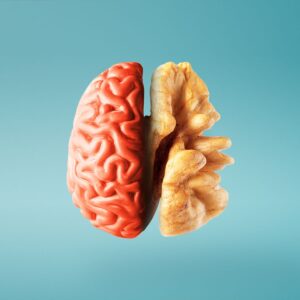
Omega-3 fatty acids are essential for normal brain function.
Salmon, sardines, and mackerel provide DHA and EPA. DHA helps maintain the structure of brain-cell membranes, while EPA participates in processes that regulate inflammation.
Walnuts, chia seeds, and ground flaxseeds provide a plant-based omega-3 called ALA.
Regular fish consumption has been associated with better cognitive health.
How to use them: Eat oily fish once or twice weekly and add walnuts or ground seeds to your daily meals.
4. Leafy Greens, Broccoli, and Microgreens: Nutrients for Healthy Brain Aging
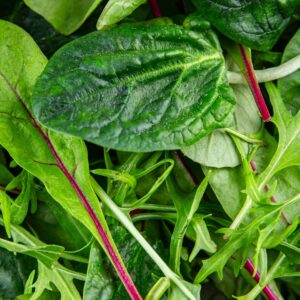
Spinach, kale, Swiss chard, arugula, collard greens, and mustard greens contain folate, vitamin K, and lutein.
These nutrients support normal cellular function and have been associated with healthier cognitive aging.
Broccoli, Brussels sprouts, and cabbage also provide plant compounds involved in the body’s natural antioxidant defenses.
Don’t overlook edible vegetable tops, including beet, carrot, radish, and turnip leaves.
Microgreens, such as broccoli, cabbage, kale, and pea shoots, can also provide concentrated amounts of certain vitamins and plant compounds, although their nutrient content varies.
How to use them: Include leafy greens daily, add microgreens to salads, and roast broccoli or Brussels sprouts with olive oil and garlic.
Unique Brain Foods Often Overlooked
Beyond the familiar foods, several everyday ingredients contain compounds that are especially interesting for brain health.
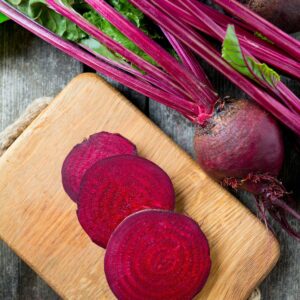
5. Beets: A Natural Way to Support Brain Circulation
Beets contain natural nitrates that the body converts into nitric oxide.
Nitric oxide helps blood vessels relax, allowing blood to flow more easily.
Some studies suggest beetroot juice may influence blood flow to certain brain regions.
How to use it: Add roasted beets to salads or blend a small amount into a vegetable smoothie.
6. Celery: A Source of Luteolin
Celery contains luteolin, a natural plant compound studied for its antioxidant and anti-inflammatory properties.
Laboratory studies suggest luteolin may help protect nerve cells against oxidative damage and influence inflammatory activity in the brain.
How to use it: Add celery to soups, salads, or vegetable juices, or enjoy it as a crunchy snack.
7. Egg Yolks: The Forgotten Nutrient for Memory
Egg yolks are among the best everyday sources of choline.
Your body uses choline to produce acetylcholine, a chemical messenger involved in learning, memory, and communication between nerve cells.
Choline is also essential for normal brain development during pregnancy.
How to use it: Include whole eggs in a balanced breakfast with vegetables.
8. Bone Broth: Amino Acids for the Nervous System
Bone broth provides amino acids such as glycine and proline.
Glycine participates in nervous-system signaling and is also involved in the body’s production of proteins.
Researchers are studying glycine-related pathways in sleep and brain function.
How to use it: Prepare homemade chicken or beef bone broth and use it as a base for soups.

9. Tomatoes: Lycopene for Cellular Protection
Tomatoes contain lycopene, a powerful antioxidant responsible for their red color.
Lycopene is being studied for its possible role in protecting cells from oxidative damage, including processes relevant to brain aging.
Cooking tomatoes increases the availability of lycopene, particularly when combined with a little olive oil.
How to use them: Include homemade tomato sauce, roasted tomatoes, or tomato-based vegetable dishes.
10. Dark Chocolate, Coffee, and Matcha: Foods for Focus and Alertness
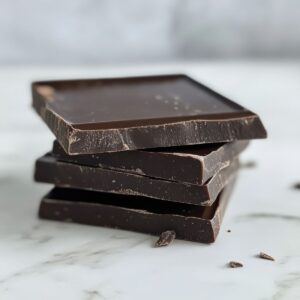
Dark chocolate containing at least 70% cocoa provides flavanols that may support blood vessel function and certain aspects of mental performance.
Coffee contains caffeine, which temporarily improves alertness and concentration.
Green tea and matcha contain both caffeine and L-theanine, an amino acid that may promote calmer attention.
How to use them: Enjoy a small portion of dark chocolate or a cup of unsweetened matcha or coffee earlier in the day.
Avoid excessive caffeine, especially if it affects your sleep.
Herbs and Spices That May Support Memory and Brain Health
Some herbs contain natural compounds that influence inflammation, antioxidant defenses, and the chemical messengers involved in memory.
11. Rosemary, Sage, and Thyme: Three Herbs for Memory
These familiar culinary herbs contain several compounds being studied for brain health.
Rosemary provides carnosic acid and rosmarinic acid, antioxidants that may protect nerve cells against damage in experimental studies.
Sage contains compounds that may slow the breakdown of acetylcholine, the chemical messenger essential for learning and memory. Small human studies have reported improvements in selected measures of attention and memory.
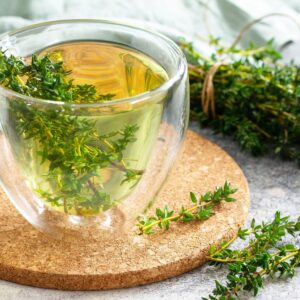
Thyme contains antioxidant compounds, and a small clinical trial involving 106 university students reported improvements in certain measures of memory, mood, and sleep after one month of supplementation.
Although encouraging, these findings require confirmation in larger studies.
How to use them: Add rosemary and thyme to meals, prepare moderate amounts of sage tea, or use these herbs regularly in cooking.
12. Lemon Balm and Frankincense: Studied for Brain Inflammation and Memory
Lemon balm contains plant compounds that may influence relaxation, stress, and cognitive performance.
Small studies have investigated its effects on attention, mood, and sleep.
Frankincense, also called Boswellia, contains boswellic acids, including AKBA.
These compounds influence inflammatory pathways, particularly an enzyme called 5-LOX.
Preliminary studies have explored whether frankincense, alone or combined with lemon balm, may support certain aspects of memory.
13. Black Seed, Turmeric, and Cinnamon: Antioxidant Support for Brain Cells
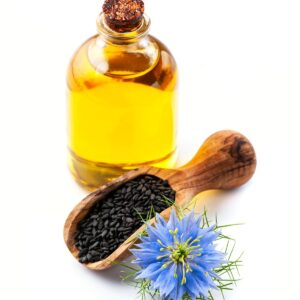
Black seed (Nigella sativa) contains thymoquinone, which has demonstrated antioxidant and anti-inflammatory activity in laboratory studies.
Small human trials have suggested possible improvements in certain memory and attention measurements.
Turmeric contains curcumin, a compound being investigated for its ability to influence inflammation and oxidative stress.
Cinnamon provides polyphenols that may support metabolic health and protect cells from oxidative damage.
How to use them: Incorporate black seed, turmeric, and cinnamon into meals in normal culinary amounts.
14. Ginseng, Ashwagandha, and Rhodiola: Herbs for Mental Fatigue
Not all cognitive problems involve memory loss. Sometimes poor concentration is associated with stress, fatigue, or inadequate sleep.
Ginseng has been investigated for its possible effects on attention and mental performance.
Ashwagandha has shown potential benefits for stress and sleep in some small clinical trials.
Rhodiola rosea is being studied for stress-related fatigue and mental performance.
These herbs may influence different biological pathways.
What Are the Best Vitamins and Supplements for Brain Health?
Several nutrients and supplements are being studied for their potential to support memory, nerve-cell function, and energy production.
Omega-3 DHA and EPA: Help maintain brain-cell membranes and normal nerve signaling.
Phosphatidylserine: A natural fat found in brain-cell membranes that supports their structure and communication. Food sources include soybeans, white beans, eggs, fatty fish, and organ meats.
Creatine: Helps cells rapidly produce and store usable energy. Preliminary research suggests possible cognitive benefits in certain circumstances, including sleep deprivation.
Alpha-lipoic acid: Supports cellular energy processes and has antioxidant properties. It occurs naturally in small amounts in spinach, broccoli, potatoes, carrots, beets, and red meat.
Acetyl-L-carnitine: Helps transport fatty acids for cellular energy production and has been investigated for cognitive function.
L-theanine: Found naturally in tea and may support relaxed attention.
Tyrosine: An amino acid used to produce chemical messengers involved in concentration and stress responses.
Ginkgo biloba: Studied for circulation and memory, but it has not consistently demonstrated benefits for dementia prevention.
Medicinal mushrooms: Chaga, cordyceps, and reishi contain compounds being investigated for antioxidant and immune effects.
Supplements are not automatically necessary, and none of these should be considered a substitute for evaluating nutrient deficiencies or medical causes of memory problems.
The MIND Diet: How Often Should You Eat Brain-Supporting Foods?
Research on the MIND diet emphasizes a consistent eating pattern rather than relying on individual superfoods.
A practical weekly approach includes:
- Leafy greens and other vegetables every day.
- Berries approximately five times weekly.
- Whole grains regularly, often around three servings daily.
- Nuts approximately five times weekly.
- Beans and legumes at least three times weekly.
- Fish at least once weekly.
- Poultry approximately twice weekly.
- Extra virgin olive oil as a regular source of dietary fat.
It also encourages limiting processed meats, frequent fried foods, sweets, and excess butter.
These targets can be adjusted according to individual nutritional needs.
Five Foods That May Work Against Brain Health
While adding nutritious foods matters, reducing certain dietary habits is equally important.
- Sugary drinks: Frequent consumption can contribute to poor blood sugar control and metabolic problems.
- Industrial trans fats: These adversely affect cardiovascular health, which is closely linked to brain health.
- Highly processed foods: Diets dominated by these products are associated with poorer long-term health outcomes.
- Excess refined carbohydrates: Frequent high intake can make blood sugar regulation more difficult.
- Alcohol: alcohol consumption can damage brain tissue and impair memory.
Can You Stimulate Brain Cells Recovery Naturally?
Nutrition is only one part of protecting your brain.
Regular physical activity, adequate sleep, and mentally challenging activities are also important.
Learning a language, memorizing, reading, and practicing new skills help keep the brain engaged.
Researchers are also investigating fasting, sauna exposure, and cold exposure for possible effects on brain health.
Sleep is particularly important because it supports memory consolidation and the brain’s normal waste-clearance processes.
Final Thoughts: Protect Your Brain Before Memory Problems Begin
A healthier brain does not depend on one expensive supplement or a complicated diet.
It begins with everyday choices: more colorful vegetables, healthy fats, berries, nutrient-rich proteins, and herbs that provide protective plant compounds.
The most promising approach combines a nutrient-rich diet with regular exercise, quality sleep, mental stimulation, and attention to overall metabolic health.
Your brain is constantly working for you. The foods you choose today can help support its health for years to come.
If you’d like to learn more about the most important natural approaches to managing depression, be sure to watch Dr. Fajer’s video below on her YouTube channel: