

Blog
Can L-Citrulline Help Repair a Gut Barrier Damaged by Stress?
Aug
Stress doesn’t only affect the brain. Intense physical stress, illness, inflammation, poor nutrition, and prolonged psychological stress can also affect the intestinal environment, increasing oxidative stress and potentially weakening the intestinal barrier.
One nutrient receiving increasing attention for this connection is L-citrulline. Best known for supporting nitric oxide and circulation, L-citrulline is also closely connected to intestinal-cell health and may help support the gut barrier during periods of physiological stress.
What Is L-Citrulline?
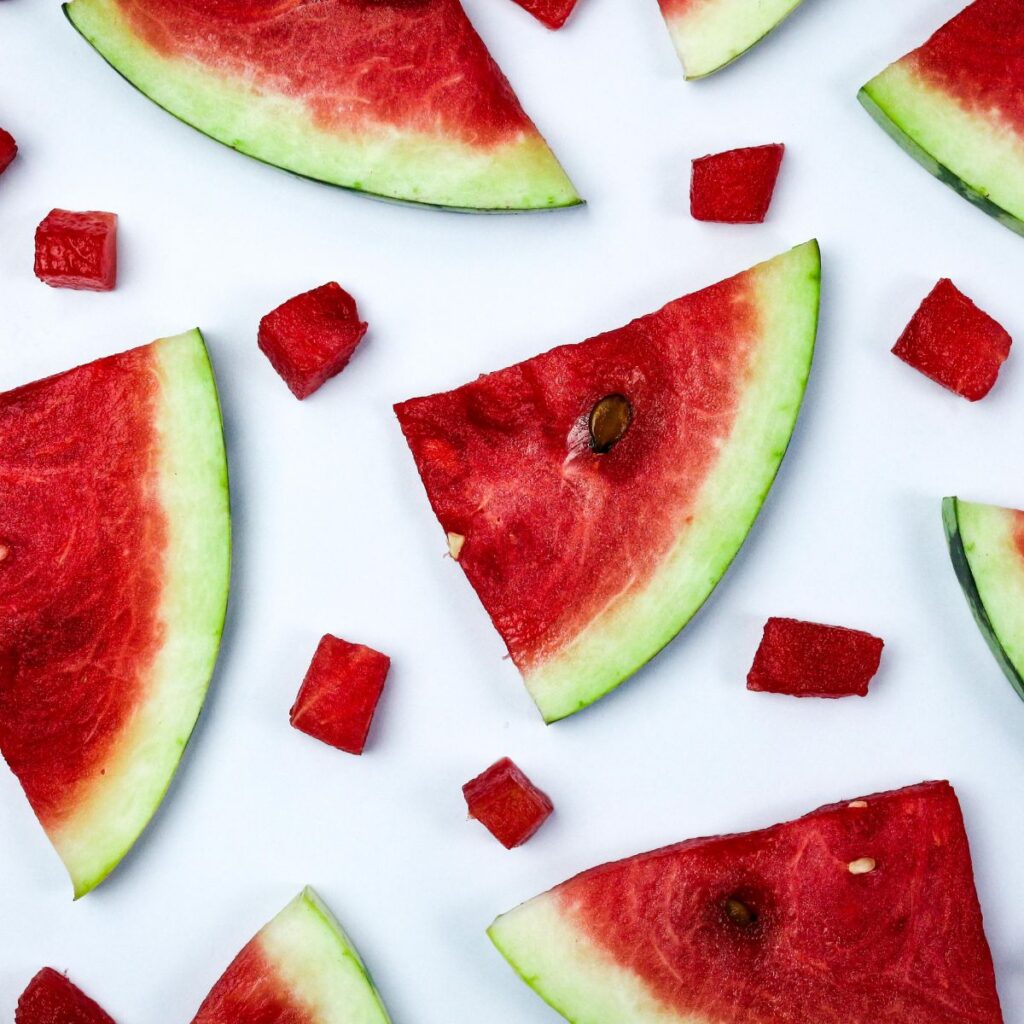
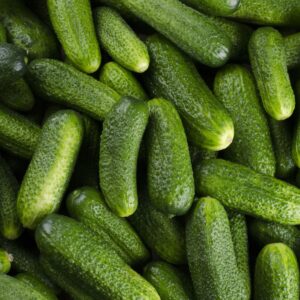
L-citrulline is a non-essential amino acid naturally produced by the body. Its name comes from Citrullus, the Latin name associated with watermelon, one of its richest dietary sources. Smaller amounts are also found in cucumbers, pumpkins, and other gourds.
After absorption, much of L-citrulline reaches the kidneys, where it helps increase L-arginine availability. This supports the production of nitric oxide, an important molecule involved in blood-vessel relaxation, circulation, tissue perfusion, and cardiovascular function.
But L-citrulline has another interesting connection: the intestine itself is closely involved in citrulline metabolism.
Why Is Citrulline Important for Gut Health?

Healthy intestinal cells produce citrulline. Because of this, researchers can measure citrulline in the blood to gain information about how well these intestinal cells are functioning.
Simply put, when a substantial amount of the intestinal lining becomes damaged or loses its normal function, blood citrulline levels may decrease. This is why researchers have studied plasma citrulline as an indicator of intestinal-cell health and absorptive capacity.
Beyond being a marker, experimental research suggests that providing L-citrulline may itself support intestinal integrity.
L-Citrulline and the Gut Barrier
The intestinal lining acts as a selective barrier. It needs to absorb nutrients while preventing unwanted microorganisms, toxins, and other substances from passing too easily into circulation.
The cells forming this barrier are connected by structures known as tight junctions.
Experimental studies have found that citrulline and the arginine produced from it may help protect these cellular connections when intestinal cells are exposed to stressful conditions such as reduced oxygen availability.
Nitric oxide appears to participate in this protection by supporting blood flow, cellular repair, and the integrity of the intestinal lining.
This makes L-citrulline particularly interesting when we are looking at the relationship between stress, intestinal injury, and increased intestinal permeability—commonly called “leaky gut.”
Can L-Citrulline Reduce Intestinal Inflammation?
Inflammation can progressively disturb the intestinal lining and interfere with normal barrier function.
In experimental models of intestinal inflammation, L-citrulline supplementation has been associated with less intestinal tissue damage and a more balanced inflammatory response.
For example, animal research involving ulcerative-colitis models found improvements in intestinal tissue alongside reductions in several inflammatory signals, including IL-6 and IL-17A. Other experimental studies suggest that citrulline may help reduce inflammatory messengers while supporting anti-inflammatory signals such as IL-10.
In simpler terms, citrulline appears to help calm excessive inflammatory signaling while supporting the immune environment needed for intestinal recovery.
L-Citrulline May Protect Against Oxidative Damage
Inflammation and oxidative stress frequently occur together.
When excessive reactive oxygen species accumulate, they can damage cell membranes and weaken the intestinal barrier. Research suggests L-citrulline may strengthen some of the body’s natural antioxidant defenses, including enzymes such as superoxide dismutase and catalase.
Studies have also observed lower levels of markers associated with damage to cellular fats after citrulline supplementation.
This antioxidant activity may provide another way through which citrulline protects intestinal cells during periods of physiological stress.
Supporting Blood Flow to the Gut
Nitric oxide is also important for healthy circulation within the gastrointestinal tract.
By increasing arginine availability, L-citrulline can support nitric oxide production and therefore blood-vessel relaxation and tissue circulation.
Adequate blood flow supplies intestinal cells with the oxygen and nutrients required for maintenance and repair, which may become especially important when the gut has been exposed to physical or metabolic stress.
Can L-Citrulline Help a Gut Barrier Damaged by Stress?
This may be one of the most interesting applications of L-citrulline.
Under stressful conditions, intestinal cells can experience inflammation, oxidative stress, and impaired circulation. Experimental studies in intestinal-cell models found that citrulline helped preserve tight-junction integrity during hypoxic stress, suggesting a protective effect on the intestinal barrier.
Rather than thinking of L-citrulline as something that simply “seals” a leaky gut, it makes more sense to think of it as supporting the environment intestinal cells need to maintain and repair their barrier: circulation, antioxidant protection, balanced inflammation, and cellular integrity.
Combining L-Citrulline With Other Gut-Supportive Nutrients
Gut-barrier repair rarely depends on one nutrient alone. L-citrulline can potentially be combined with nutrients that work through complementary mechanisms.
L-Glutamine: an important fuel source for intestinal cells that can support the intestinal barrier and tight junctions.
People with active cancer or a cancer history should discuss supplemental glutamine with their treating clinician.
Zinc carnosine: supports the gastrointestinal mucosa and natural tissue-repair processes.
Quercetin: provides antioxidant and anti-inflammatory support and has been studied for its ability to protect intestinal cells and influence inflammatory pathways.
Lactobacillus helveticus: experimental research combining this bacterial strain with citrulline has suggested complementary effects on nitric oxide production and intestinal epithelial-barrier function.
The advantage of combining nutrients is that each addresses a different component of gut health: intestinal-cell nourishment, mucosal repair, circulation, oxidative stress, and inflammatory balance.
L-Citrulline and Muscle Health

L-citrulline isn’t limited to the gut.
It has been widely investigated in exercise and muscle metabolism because of its effects on circulation and nutrient delivery. Research suggests that it may support exercise performance and recovery, while some studies have investigated possible effects on muscle protein synthesis.
In older adults, one study using 10 grams daily for three weeks reported an increase in lean mass in elderly women. Other research has investigated approximately 3–6 grams daily in people consuming lower-protein diets.
However, L-citrulline should not be viewed as a replacement for adequate dietary protein or essential amino acids such as leucine.
How Much L-Citrulline Should You Take?
L-citrulline has commonly been studied at doses of around 3–5 grams per day, although the appropriate amount depends on why it is being used.
For general supplementation, the daily amount can be taken at once or divided into smaller doses throughout the day.
For exercise purposes, it is commonly taken approximately one hour before training.
It can generally be taken with or without food. People with sensitive digestion may find it more comfortable with food, while dividing the daily amount may also reduce gastrointestinal discomfort.
Are There Side Effects?
L-citrulline is generally well tolerated, and research has tested considerably higher amounts, including doses up to 15 grams per day.
Possible side effects can include:
- Headache
- Lightheadedness
- Digestive discomfort
- A noticeable drop in blood pressure in susceptible individuals
Starting with a smaller amount and gradually increasing it may improve tolerance.
Who Should Be Careful With L-Citrulline?
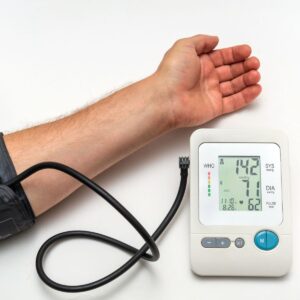
Because L-citrulline can increase nitric oxide availability and lower blood pressure, supplementation requires additional caution when combined with medications that have similar effects.
Particular care is needed with:
- nitrates such as nitroglycerin and isosorbide
- blood-pressure medications
- and erectile-dysfunction medications such as sildenafil or tadalafil
Because combining them may lower blood pressure excessively.
People with cardiovascular disease, hypertension, diabetes, or other significant medical conditions should therefore discuss supplementation with their healthcare provider.
There is also insufficient safety information for supplemental L-citrulline during pregnancy and breastfeeding, so supplementation is generally best avoided unless specifically recommended by a qualified healthcare professional.
The Bottom Line
L-citrulline is usually associated with exercise and circulation, but its connection with intestinal health deserves attention.
Research suggests that it may help support intestinal-cell integrity, preserve tight junctions during physiological stress, improve tissue circulation, regulate inflammatory responses, and strengthen antioxidant defenses.
This may make it particularly interesting as part of a broader gut-repair strategy following periods of significant stress or intestinal injury.
And instead of relying on L-citrulline alone, combining it appropriately with nutrients such as glutamine, zinc carnosine, or quercetin, while simultaneously addressing diet, stress, inflammation, and the underlying cause of intestinal-barrier dysfunction, may provide a more comprehensive approach to rebuilding a healthier gut barrier.
If you’d like more details on how to repair your gut in 7 days, watch the full episode below on Dr. Fajer AlJumairi’s YouTube channel: