

Blog
Shilajit: The Ancient Mineral Resin That May Support Gut Repair, Iron Absorption, and Cellular Energy
Nov
What if a dark, mineral-rich substance found deep within mountain rocks could help support your gut lining, improve how your body uses nutrients, and protect your cells from everyday damage?
For centuries, shilajit has been valued in traditional Ayurvedic medicine as a natural remedy for strength, energy, and longevity.
Today, scientists are exploring its potential benefits for gut health, inflammation, bone strength, and cellular energy. Much of this interest comes from its unique combination of fulvic acid, humic acid, and trace minerals.
But can shilajit really repair a damaged gut lining, improve iron deficiency, or fight fatigue?
Let’s explore what makes it interesting, how it may work, and what the research actually tells us.
What Is Shilajit?
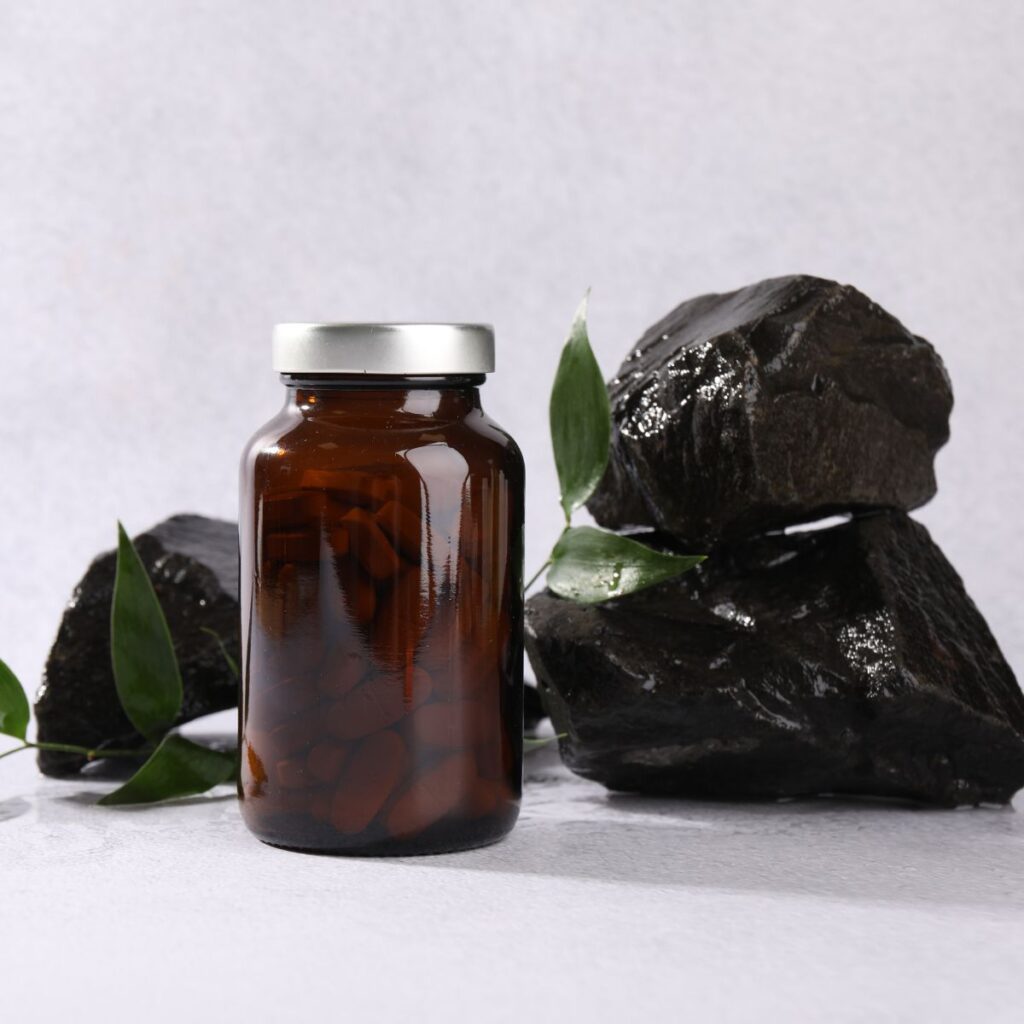
Shilajit is a dark, sticky, resin-like substance that forms naturally in mountain rocks over hundreds of years.
It develops as plant material and microorganisms slowly break down under environmental conditions. During warmer months, the resin can emerge through cracks in rocks, particularly in mountainous regions such as the Himalayas, Altai, Caucasus, and Andes.
It has been described as a natural carrier that may help the body use other nutrients more effectively.
Modern science is now investigating the compounds behind these traditional uses.
What Makes Shilajit So Special?
Unlike ordinary mineral supplements, shilajit contains a complex mixture of organic compounds and minerals.
Its most important components include:

1. Fulvic acid — the mineral-binding antioxidant
Fulvic acid is one of shilajit’s most studied compounds.
It can bind to certain minerals and influence how they move and behave in biological systems. Laboratory studies also suggest that it has antioxidant and anti-inflammatory properties.
These effects have led researchers to investigate whether fulvic acid could support nutrient availability and protect cells from damage.
2. Humic acid — a potential protector against inflammation
Humic acid is another natural compound formed during the breakdown of plant matter.
Experimental studies suggest that humic substances may influence immune activity, inflammation, and the growth of certain microorganisms.
3. Trace minerals — nutrients involved in repair and metabolism
Shilajit may contain minerals such as iron, zinc, magnesium, selenium, calcium, and potassium.
These nutrients support many important functions, including energy production, immune activity, tissue repair, and bone health.
The exact amounts vary considerably between products, so shilajit should not automatically be considered a reliable source of any particular mineral.
4. Dibenzo-alpha-pyrones — compounds being studied for cellular energy
Shilajit also contains natural compounds called dibenzo-alpha-pyrones.
Researchers are investigating their possible role in protecting mitochondria, the structures inside cells that produce energy.
Together, these compounds make shilajit an interesting subject for research into cellular health and healthy aging.
1. Can Shilajit Help Repair the Gut Lining?
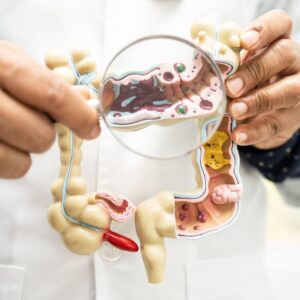
Your intestinal lining is much more than a surface that absorbs nutrients.
It acts as a protective barrier, allowing digested nutrients to pass into the body while limiting the movement of harmful substances.
The cells lining your intestine are connected by tiny structures called tight junctions.
Think of them as seals between neighboring cells.
When these connections become less effective, intestinal permeability increases. This means more substances may pass through the intestinal barrier than usual.
Increased intestinal permeability can occur in certain digestive and inflammatory conditions, although bloating or food sensitivity alone does not prove that someone has a damaged gut barrier.
Researchers are interested in shilajit because some of its compounds may influence the processes involved in maintaining this protective lining.
How Might Shilajit Support the Intestinal Barrier?
First: By calming inflammatory signals
Inflammation can interfere with the proteins that hold intestinal cells together.
Laboratory research suggests that fulvic and humic acids may influence a pathway called NF-κB, which helps control the body’s inflammatory response.
They may also affect inflammatory substances such as TNF-alpha and IL-6, while influencing protective signals such as IL-10.
By regulating these signals, shilajit compounds might help protect intestinal cells from inflammatory damage.
Second: By reducing oxidative stress
Oxidative stress occurs when harmful molecules called free radicals build up faster than the body can neutralize them.
These molecules can damage cell membranes and the proteins that maintain the intestinal barrier.
Fulvic acid has shown antioxidant activity in experimental studies. Researchers are also investigating whether it can support the body’s own antioxidant defenses, including glutathione-related pathways.
Third: By supporting the nutrients needed for tissue repair
Minerals such as zinc, magnesium, and selenium contribute to normal cell function and tissue maintenance.
Because fulvic acid can bind to minerals, scientists are investigating whether it could influence their availability.
2. Shilajit and the Gut Microbiome: Could It Support Beneficial Bacteria?
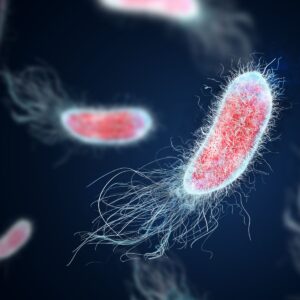
Your gut contains trillions of microorganisms that help digest food, produce certain vitamins, regulate immune activity, and communicate with the brain.
When the balance of these microorganisms changes, it may contribute to digestive symptoms such as bloating, irregular bowel movements, and abdominal discomfort.
Some early research suggests that humic substances may interact with gut bacteria.
Supporting beneficial bacteria
Experimental findings suggest that certain humic compounds may influence the growth of microorganisms, including bacteria from groups such as Lactobacillus and Bifidobacterium.
Limiting unwanted microorganisms
Some humic substances have demonstrated antimicrobial activity in laboratory settings, raising questions about their possible role in microbial balance.
Supporting short-chain fatty acids
Beneficial gut bacteria produce substances called short-chain fatty acids when they ferment suitable dietary compounds.
One of the most important is butyrate, which provides energy to the cells lining the colon and helps maintain a healthy intestinal environment.
3. Shilajit and Iron Deficiency: Can It Help With Anemia?
One of the lesser-known areas of shilajit research is its potential relationship with iron metabolism.
Iron is essential for producing hemoglobin, the protein in red blood cells that carries oxygen throughout the body.
When iron levels become too low, symptoms may include fatigue, weakness, dizziness, reduced concentration, and shortness of breath.
Shilajit is being investigated for two possible reasons.

A Natural Source of Minerals
Shilajit can contain iron and other trace minerals involved in normal blood-cell production.
However, the amount of iron varies by product, and there is no reliable evidence that a typical serving provides enough iron to correct a deficiency.
Fulvic Acid and Mineral Absorption
Fulvic acid can bind to minerals, forming complexes that may change their solubility and movement.
Researchers are investigating whether this could influence the absorption or availability of minerals such as iron and zinc.
In animal studies involving anemia, shilajit administration has been associated with improvements in measurements such as hemoglobin, hematocrit, and red blood cell counts.
Important:If you have low ferritin or confirmed anemia, shilajit should not replace prescribed iron supplementation or investigation of the underlying cause.
4. Could Shilajit Help Improve Cellular Energy and Fatigue?
Sometimes fatigue is related to iron deficiency, poor sleep, thyroid problems, or other medical conditions.
But energy also depends on how efficiently your cells produce it.
Inside your cells are tiny structures called mitochondria.
Their job is to convert nutrients into ATP, the main form of energy your body uses.
Some laboratory and animal studies suggest that compounds in shilajit may support mitochondrial activity and help protect these structures from oxidative damage.
This is one reason shilajit has attracted interest for exercise recovery and fatigue.
Small human studies have also investigated its effects on physical performance and recovery.
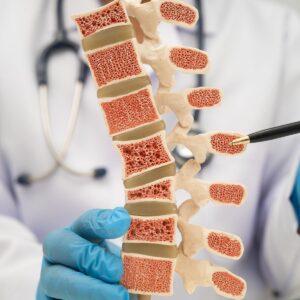
5. May Support Bone Strength, Especially After Menopause
Bone health becomes particularly important for women during and after menopause.
As estrogen levels decline, the body may lose bone faster than it replaces it, increasing the risk of osteopenia and osteoporosis.
Shilajit has been studied for its possible effects on bone health because of its antioxidant and anti-inflammatory properties.
In one clinical study involving postmenopausal women with osteopenia, purified shilajit supplementation over approximately 48 weeks was associated with less loss of bone mineral density compared with placebo.
Researchers suggested that changes in inflammation and oxidative stress might contribute to this effect.
6. May Influence Testosterone and Male Reproductive Health
Shilajit has traditionally been used to support vitality and reproductive health.
Modern researchers have investigated whether purified shilajit affects testosterone levels in men.
A small clinical trial reported increases in certain testosterone measurements after several months of supplementation.
Testosterone plays an important role in muscle maintenance, sexual function, bone health, and other aspects of health.
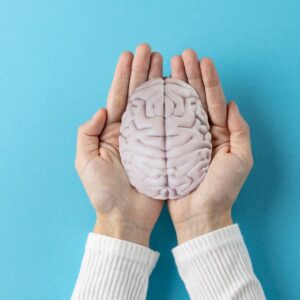
7. Could Shilajit Support Memory and Brain Health?
Another interesting compound in shilajit is fulvic acid.
Laboratory studies suggest that fulvic acid may interfere with the clumping of tau proteins, which are involved in certain neurodegenerative diseases, including Alzheimer’s disease.
Abnormal tau buildup can disrupt communication between brain cells.
This has encouraged researchers to investigate whether shilajit-related compounds might protect brain cells from damage.
8. May Influence Immune Function
The immune system needs to respond effectively to threats without producing unnecessary inflammation.
Experimental research suggests that shilajit and some of its compounds may influence immune signaling and demonstrate activity against certain viruses in laboratory conditions.
How to Use Shilajit Safely
Shilajit is commonly sold as purified resin, capsules, powders, or standardized extracts.
The most important consideration is purity.
Because shilajit forms naturally within rocks, unprocessed material may contain harmful contaminants, including heavy metals and microorganisms.
How Much Should You Take?
Small clinical studies have used different preparations and amounts, commonly around 250–500 mg of purified shilajit daily.
Some products recommend starting with approximately 150–250 mg before increasing the amount.
However, there is no scientifically established dose for repairing the gut lining, treating anemia, or improving chronic fatigue.
The correct amount depends on the preparation, its composition, and the individual’s health circumstances.
How Is It Taken?
Purified resin, roughly the size of a small, garden-sized pea, is often dissolved in warm water, milk, or herbal tea.
Capsules and standardized extracts can be taken according to their product instructions.
Some people prefer taking shilajit in the morning, but there is no strong clinical evidence that taking it on an empty stomach improves its absorption or energy effects.
Clinical studies have generally evaluated outcomes over several weeks or months, rather than immediately after a dose.
How to Choose High-Quality Shilajit
Because product quality varies significantly, never use raw, unrefined shilajit collected directly from rocks.
Choose a purified product from a reputable manufacturer.
Look for:
– Independent laboratory testing for lead, arsenic, mercury, and cadmium.
– Microbial testing to reduce contamination risks.
– A certificate of analysis showing the results for the specific product or batch.
– Clear labeling of the shilajit amount and standardized ingredients.
– Reliable manufacturing standards and traceable sourcing.
A product being described as Himalayan, natural, or premium does not guarantee its safety.
Who Should Avoid Shilajit?
Although purified shilajit has been tolerated in some short-term clinical studies, long-term safety information remains limited.
Consult a healthcare professional before using it, particularly if you:
– Are pregnant or breastfeeding.
– Have liver or kidney disease.
– Have low blood pressure or take blood pressure medication.
– Take diabetes medications that lower blood sugar.
– Use blood thinners or immunosuppressive medications.
– Have gout or elevated uric acid.
– Have iron overload or hemochromatosis.
– Have a known allergy to shilajit or related substances.
Because long-term safety has not been established, avoid prolonged unsupervised use. There is no evidence-based universal rule that everyone must stop after exactly one month.
Possible side effects include digestive discomfort, allergic reactions, and problems related to contamination.
Stop using the supplement and seek medical advice if you experience unusual symptoms.
Final Thoughts: Is Shilajit Worth Taking for Gut Health and Energy?
Shilajit is a fascinating natural substance with a long history of traditional use and an unusual combination of fulvic acid, humic substances, minerals, and other active compounds.
Early research suggests possible benefits for cellular energy, oxidative stress, bone health, and certain hormonal measurements.
Its potential effects on gut inflammation, intestinal permeability, the microbiome, and mineral absorption are especially interesting from a functional nutrition perspective.
If you are struggling with persistent digestive symptoms or fatigue, the priority should be identifying the underlying cause, correcting nutritional deficiencies, and supporting the body’s natural repair processes.
A natural supplement may support your health, but lasting improvement begins with understanding what your body actually needs.
If you need more informations about how to heal leaky gut naturally, find below full episode on Dr.Fajer AlJumairi’s youtube channel: