

Blog
Shrink Thyroid Nodules: Causes, Symptoms, and Full Natural Approaches To Help Reduce Their Size
Nov
What if the small lump in your thyroid isn’t as harmless as it seems? Or what if a thyroid nodule could be affecting your breathing, swallowing, or comfort without changing your thyroid hormone levels?
Thyroid nodules are surprisingly common, especially among women. Most are benign, but their size, location, and underlying cause can sometimes create uncomfortable symptoms.
The encouraging news is that researchers are investigating whether certain natural compounds, including spirulina, curcumin, and Boswellia, may help reduce the size of benign thyroid nodules.
But can supplements actually shrink thyroid nodules? And what role do iodine, selenium, inflammation, and stress play?
Let’s explore the science and the most important steps for protecting your thyroid health.
What Are Thyroid Nodules?
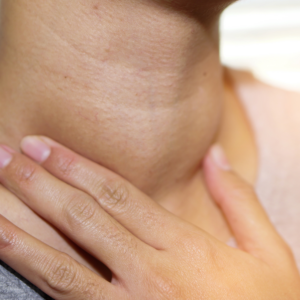
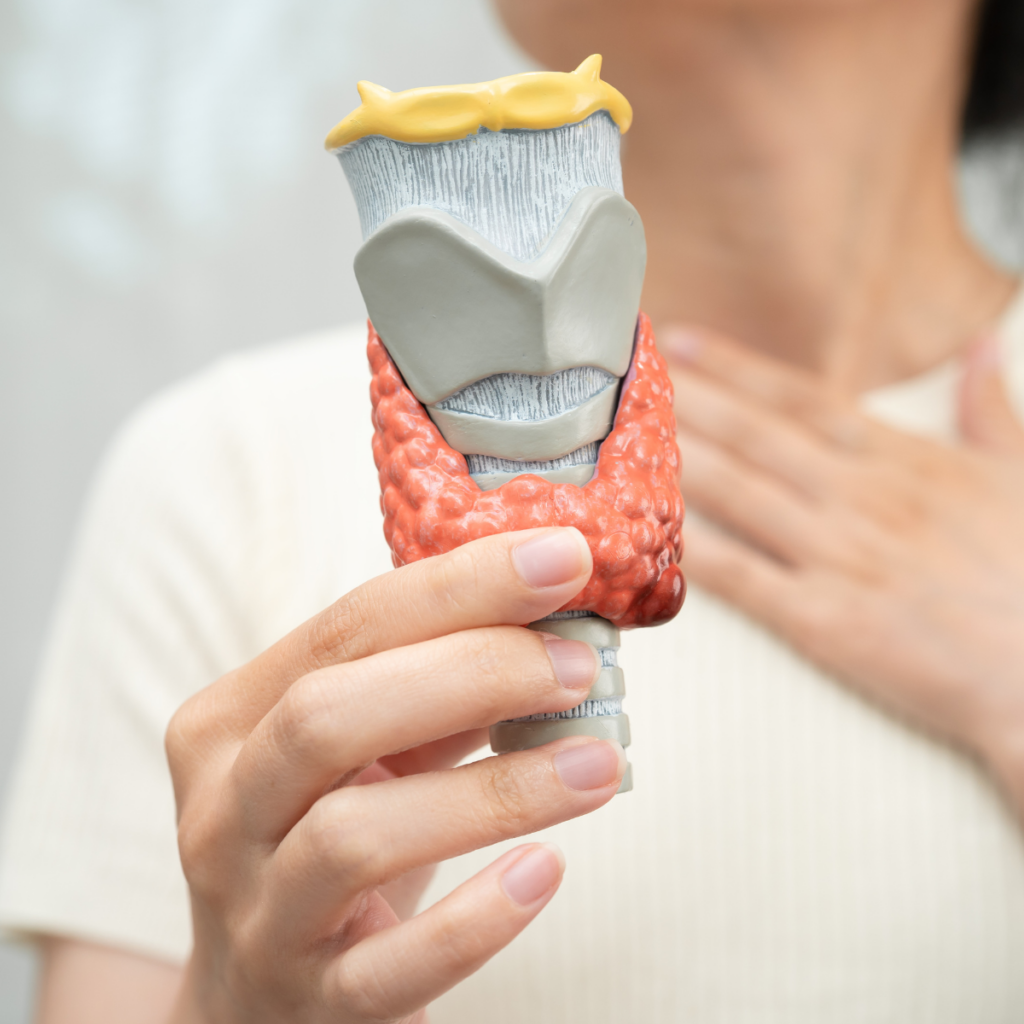
Thyroid nodules are lumps that develop inside the thyroid gland, a small, butterfly-shaped organ located at the front of your neck.
The thyroid produces hormones that regulate metabolism, body temperature, energy production, and many other functions.
Nodules can be solid, filled with fluid (thyroid cysts), or contain a mixture of both.
They become increasingly common with age and are diagnosed more frequently in women.
Ultrasound studies have detected thyroid nodules in approximately 19–68% of adults, depending on the population studied and the imaging methods used.
The reassuring fact is that most thyroid nodules are benign, meaning they are not cancerous.
However, every newly discovered nodule should be evaluated appropriately to determine whether monitoring, further testing, or treatment is necessary.
Can Thyroid Nodules Cause Breathing Problems or Chest Tightness?
Most thyroid nodules cause no symptoms at all.
However, large nodules or an enlarged thyroid gland can sometimes press against nearby structures in the neck.
This may lead to difficulty swallowing, a sensation of pressure in the throat, voice changes, or breathing discomfort.
Symptoms depend more on the nodule’s size and location than on whether it is benign.
Important: Sudden shortness of breath, chest pain, or chest tightness should never automatically be attributed to a thyroid nodule. These symptoms may indicate a heart, lung, or other urgent medical problem and require prompt evaluation.
What Causes Thyroid Nodules to Develop?
Thyroid nodules can develop for several reasons, and in many cases, no single cause can be identified.
1. Iodine Deficiency
Iodine is essential for producing thyroid hormones.
When iodine intake is inadequate, the thyroid may enlarge and develop nodules.
However, taking high-dose iodine supplements without medical guidance can worsen certain thyroid conditions, particularly in susceptible individuals.
2. Thyroid Inflammation and Hashimoto’s Disease
Hashimoto’s thyroiditis is an autoimmune condition in which the immune system attacks thyroid tissue.
Chronic inflammation can change the gland’s appearance and may be associated with nodules or areas that resemble nodules on ultrasound.
3. Benign Tissue Growth and Thyroid Cysts
Sometimes thyroid cells multiply and form a benign lump.
Other nodules develop fluid-filled areas, known as thyroid cysts, which may arise from changes within existing nodules.
4. Genetics, Age, and Hormonal Factors
Thyroid nodules are more common in women and become increasingly prevalent with age.
Genetic factors and hormonal influences may contribute to their development.
Estrogen has been investigated for its effects on thyroid-cell growth, but estrogen dominance is not an established diagnosis or proven direct cause of thyroid nodules.
5. Environmental and Nutritional Factors
Certain environmental exposures and nutritional deficiencies may affect thyroid function, like, heavy-metal toxicity, gluten consumption, emotional suppression, or increased intestinal permeability can indirectly cause thyroid nodules.
Can Spirulina, Curcumin, and Boswellia Shrink Thyroid Nodules?
One particularly interesting study was published in Molecular Medicine Reports in 2019.
Researchers investigated whether a combination of three natural extracts could reduce the size of benign thyroid nodules without surgery.
The formula contained:
- Spirulina: 400 mg.
- Curcumin: 50 mg.
- Boswellia extract: 50 mg.
These amounts were contained in each capsule of the study formulation.
What Did the Study Find?
The study included 34 adults, predominantly women, with biopsy-confirmed benign thyroid nodules measuring approximately 2–5 cm.
Participants had normal thyroid hormone levels and were followed for 12 weeks in a double-blind, placebo-controlled crossover trial.
Researchers used ultrasound to monitor nodule dimensions and blood tests to assess thyroid hormones and copper levels.
The results were encouraging.
The difference between the treatment periods was statistically significant (P = 0.027).
Across the study, the researchers also reported an average reduction of approximately 20.3% in measured nodule surface area.
These findings suggest that the combination may have potential for reducing benign thyroid nodule size.
Larger clinical trials are necessary before this approach can be recommended as a proven treatment.
How Might These Three Natural Ingredients Work?
Spirulina: Antioxidants and Essential Minerals
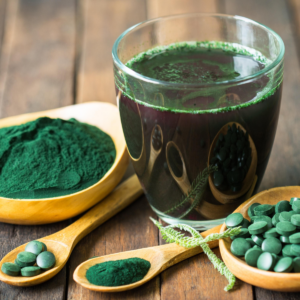
Spirulina is a nutrient-rich blue-green microorganism commonly used as a dietary supplement.
It provides protein, carotenoids, iron, copper, and several other minerals, although its exact composition depends on how it is grown.
One of its most interesting compounds is phycocyanin, a pigment with antioxidant and anti-inflammatory properties demonstrated in experimental research.
Spirulina also contains nutrients (like copper, iron and selenium) involved in normal cellular function.
Curcumin: Supporting the Body’s Inflammatory Response
Curcumin is the main active compound in turmeric.
Research suggests that curcumin can influence inflammatory pathways and help reduce certain markers of oxidative stress.
A meta-analysis of randomized trials reported reductions in some inflammatory markers, including IL-6 and C-reactive protein, in selected populations.
These properties may help explain why curcumin was included in the thyroid nodule study.
Boswellia: A Traditional Herb Studied for Inflammation
Boswellia, also known as frankincense, contains compounds called boswellic acids.
These compounds are being investigated for their effects on inflammatory pathways, including enzymes and chemical messengers involved in inflammation.
Laboratory research suggests Boswellia may influence inflammatory activity and oxidative stress.
When combined with curcumin and spirulina, these effects may have contributed to the changes observed in the clinical trial.
What Other Nutrients May Support Thyroid Health?
Several nutrients are essential for normal thyroid hormone production, antioxidant protection, and metabolism.
Iodine
Iodine is required to produce thyroid hormones.
Deficiency can contribute to thyroid enlargement and nodules, but excessive intake may also cause thyroid dysfunction.
Iodine supplementation should therefore be individualized, especially in people with Hashimoto’s disease or existing nodules.
You can take natural iodine sources like idodized sea salt (in moderate amounts), fish, seafood…
Selenium
Selenium is necessary for enzymes that help regulate thyroid hormones and protect thyroid tissue from oxidative damage.
Food sources include fish, eggs, meat, sunflower seed and Brazil nuts.
High doses can cause toxicity.
Zinc, Copper, and Magnesium
These minerals participate in normal metabolism and cellular function.
Zinc and copper are involved in antioxidant defenses, while magnesium supports numerous enzyme reactions.
Deficiencies may affect general health.
Vitamins A, D, and C
These vitamins support immune function, normal tissue maintenance, or antioxidant activity.
Vitamin C supports normal antioxidant defenses, but high-dose supplementation is not an established thyroid treatment.
Other Supplements Being Investigated for Thyroid Health
Myo-Inositol and Selenium
Myo-inositol participates in cellular signaling, including pathways involved in thyroid function.
Small preliminary studies have investigated myo-inositol combined with selenium for thyroid health, including changes in certain nodule characteristics.
Some findings suggest possible benefits, but research remains early.
N-Acetylcysteine (NAC) and CoQ10
NAC helps the body produce glutathione, an important antioxidant.
Coenzyme Q10 (CoQ10) participates in cellular energy production and antioxidant protection.
Both are being studied in conditions involving oxidative stress.
Bromelain and Proteolytic Enzymes
Bromelain is an enzyme mixture derived from pineapple.
It has been investigated for anti-inflammatory effects in certain conditions.
Other proteolytic enzymes are also marketed for inflammation.
Does Stress Affect Thyroid Health?
The thyroid and the body’s stress-response system communicate through hormonal pathways involving the brain, pituitary gland, thyroid, and adrenal glands.
During significant illness or physiological stress, the body may temporarily change how it produces and converts thyroid hormones.
Chronic stress can also affect sleep, appetite, metabolic health, and overall well-being.
Stress-management strategies can still support general health.
Useful approaches include regular physical activity, relaxation exercises, yoga, mindfulness, and maintaining a consistent sleep schedule.
Can Diet and Lifestyle Help Prevent or Shrink Thyroid Nodules?
No specific diet has been proven to prevent or eliminate thyroid nodules.
However, several habits support normal thyroid function and overall metabolic health.
Eat a Nutrient-Rich Diet
Include a variety of foods that provide iodine, selenium, zinc, iron, protein, and other essential nutrients.
Examples include eggs, seafood, low-mercury fish, legumes, nuts, seeds, whole grains, and vegetables.
Maintain Stable Blood Sugar
Balanced meals containing protein, fiber-rich carbohydrates, and healthy fats can support metabolic health.
This is particularly important for individuals with insulin resistance.
Don’t Automatically Avoid Cruciferous Vegetables
Broccoli, kale, cabbage, and Brussels sprouts contain beneficial fiber and antioxidants.
Normal portions are generally safe for people with thyroid conditions, especially when iodine intake is adequate.
Cooking reduces some compounds that can interfere with iodine use.
Be Mindful of Soy Intake
Soy foods can be part of a healthy diet for most people with thyroid disorders.
However, soy may interfere with the absorption of levothyroxine when consumed too close to the medication.
There is no established requirement to limit everyone with thyroid disease to two servings of soy weekly.
Reduce Harmful Environmental Exposures
Some environmental chemicals, including certain pesticides and industrial pollutants, may interfere with hormone-related pathways.
Practical steps include avoiding smoking,avoiding fluoridated dental products, following food safety recommendations, and reducing unnecessary exposure to harmful chemicals.
Consider incorporating simple wellness practices, such as drinking water with a pinch of sea salt, taking liposomal vitamin C, or ending your shower with cool water. While these approaches are sometimes suggested to support antioxidant defenses and reduce inflammation.
How Are Thyroid Nodules Diagnosed?
A thyroid nodule cannot be evaluated accurately through symptoms or blood tests alone.
The most important investigations include:
Thyroid ultrasound: Determines the nodule’s size, composition, and features that may indicate a need for further testing.
TSH blood test: Helps assess thyroid function and guides the next steps.
Free T4: May be measured when thyroid hormone abnormalities are suspected.
Thyroid antibodies: TPO and thyroglobulin antibodies may be useful when autoimmune thyroid disease is suspected.
Fine-needle aspiration biopsy: Recommended for selected nodules based on ultrasound findings, size, and individual risk factors.
Can Thyroid Nodules Disappear Without Surgery?
Some benign nodules remain stable for years, while others may grow or decrease in size.
Small, asymptomatic nodules often require monitoring rather than immediate treatment.
For nodules causing symptoms, established options may include:
- Radiofrequency ablation: Uses controlled heat to reduce selected benign solid nodules.
- Ethanol ablation: Can be particularly useful for certain recurrent fluid-filled thyroid cysts.
- Surgery: May be necessary for suspicious nodules, large compressive nodules, or other clinical indications.
These treatments have more established evidence for reducing nodule size than dietary supplements.
The best option depends on ultrasound findings, biopsy results, symptoms, and patient preferences.
Final Thoughts: Can You Shrink Thyroid Nodules Naturally?
Thyroid nodules are common, especially among women, and the vast majority are benign.
The most effective approach begins with understanding the nodule itself: its size, ultrasound appearance, thyroid hormone status, and whether it requires a biopsy.
Supporting thyroid health through balanced nutrition and appropriate medical care is valuable, but supplements should never replace proper diagnosis or monitoring.
With the right evaluation, most thyroid nodules can be managed safely, and treatment can be tailored to the individual’s needs.
If you need more informations about how to heal naturally from hypothyroidism, watch the full episode below on Dr.Fajer’s youtube channel: