

Blog
The Complete Scientific Guide to Eliminating Bad Body Odor Naturally
Jul
Body odor is one of the most common concerns that can cause significant social embarrassment. Although many people believe that sweat itself is responsible for unpleasant odors, scientific evidence shows that fresh sweat produced by the body’s sweat glands is naturally odorless.
Unpleasant body odor develops when sweat interacts with bacteria living on the surface of the skin, particularly Staphylococcus epidermidis. These bacteria break down the proteins and fats found in sweat, producing volatile compounds that are responsible for the characteristic odor.
This guide presents a practical, science-based approach to reducing odor by controlling odor-causing bacteria, restoring a healthy skin microbiome, and supporting the body’s natural detoxification processes from the inside and out.
1. Daily Cleansing and Proper Hygiene
Use a Gentle, Natural Soap
Shower daily using a gentle soap that is free from harsh chemicals such as sulfates, parabens, aluminum salts (alum), and unnecessary synthetic additives. This helps cleanse the skin without disrupting its natural protective barrier.
Keep Your Shower Loofah Clean
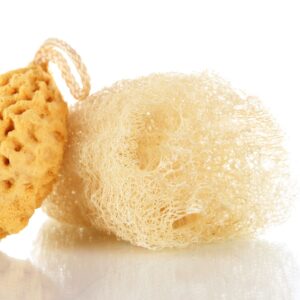
Shower loofahs and sponges can become breeding grounds for bacteria and fungi because they remain warm and moist after use. Reusing a contaminated loofah may reintroduce bacteria onto freshly cleaned skin.
To reduce bacterial buildup:
- Replace your loofah every month.
- Disinfect it weekly by soaking it in boiling water with soap.
Reduce Bacteria in High-Sweat Areas
Areas such as the armpits, under the breasts, and the groin are especially prone to bacterial overgrowth. The following cleansers may be used as part of a weekly routine:
Hibiclens (Chlorhexidine)
- Use once weekly.
- Apply only to skin folds such as the armpits and groin.
- Avoid the face, eyes, ears, and mucous membranes, as chlorhexidine may cause injury to these sensitive tissues.
4% Benzoyl Peroxide Wash (e.g., PanOxyl)
- Apply only to odor-prone areas such as the armpits, groin, or between the breasts.
- Leave on for approximately two minutes before rinsing.
- Continue your shower using your regular body wash afterward.
Benzoyl peroxide helps reduce odor-causing bacteria and certain fungi that thrive on sweat, helping minimize body odor.
2. Restore the Skin’s Natural Acidity

Odor-causing bacteria grow more readily in alkaline environments. Maintaining the skin’s naturally acidic pH creates conditions that make bacterial survival more difficult.
Glycolic Acid
After showering, apply a glycolic acid solution to the underarms using a cotton pad.
By lowering the skin’s pH, glycolic acid helps suppress bacterial growth and significantly reduces odor.
Patch Test First
Always test the product on a small area of skin before regular use. If irritation develops, dilute it by mixing:
- 1 tablespoon glycolic acid
- 3 tablespoons water
Natural Alternative
Diluted fresh lemon juice may also be used as a natural acidic solution to help reduce bacterial growth.
3. Choose the Right Product: Deodorant vs. Antiperspirant
Natural Deodorants
Natural deodorants may be preferable for individuals with autoimmune diseases, hypothyroidism, eczema, or histamine intolerance.
Many are formulated with baking soda and natural essential oils while avoiding aluminum compounds and silicones.
Antiperspirants
Antiperspirants reduce sweat production and are generally more suitable for people with excessive sweating (hyperhidrosis) or individuals who naturally perspire heavily.
For best results, apply them only after the skin has been thoroughly cleaned.
4. Hair Removal Helps Reduce Bacterial Growth
Hair in the armpits and groin provides additional surface area where sweat and bacteria can accumulate.
Regular hair removal—whether by laser treatment, waxing, or shaving—reduces bacterial buildup, minimizes moisture retention, and helps decrease body odor.
5. Nutrition and Internal Detoxification
Diet directly influences the composition of sweat and body secretions.
Limit Foods That Can Intensify Body Odor
Reduce consumption of foods rich in sulfur-containing compounds, including:
- Garlic
- Onions
- Fenugreek
Also minimize fast food and hydrogenated fats, which may place additional stress on the liver.
Eat More Detox-Supportive Vegetables

Focus on vegetables such as:
- Cilantro
- Parsley
- Cucumber
- Arugula
- Dandelion greens
These foods help support normal liver detoxification pathways.
Stay Well Hydrated
Drink at least 2 liters (about 68 oz) of water daily.
Fresh beetroot juice may also help support healthy liver function.
Natural Internal Deodorizing Drink
Every morning on an empty stomach, mix:
- 1 teaspoon chlorophyll powder, spirulina, or wheatgrass powder
- 1 cup water
- 1 tablespoon apple cider vinegar or fresh lemon juice
Chlorophyll has traditionally been used as a natural internal deodorizer and may help reduce unpleasant body odors while supporting detoxification.

Support Your Gut Microbiome
Regular consumption of fermented foods and probiotic-rich foods helps maintain a healthy gut microbiome, supports digestion, and may reduce the production of odor-causing metabolic byproducts.
6. Special Care for Intimate Areas
The intimate area requires gentle care to preserve its natural acidic environment and healthy microbiome.
Avoid Harsh Cleansers
Do not use regular soap, scented shower gels, chlorhexidine (Hibiclens), benzoyl peroxide washes (PanOxyl), or other strong antibacterial cleansers on the internal genital area or mucous membranes.
Use a pH-Balanced Intimate Wash
Instead, choose a pH-balanced cleanser formulated specifically for the external intimate area, such as Sebamed Feminine Wash.
These products help maintain a healthy microbial balance while cleansing without excessive dryness or irritation. They are appropriate for external intimate hygiene in both women and men.
Conclusion
Body odor is not caused by sweat itself but by bacteria that metabolize sweat and produce odor-causing compounds.
Long-term management focuses on reducing bacterial overgrowth, maintaining the skin’s natural acidic pH, selecting appropriate personal care products, supporting gut health, and following a nutritious diet that promotes healthy detoxification.
If body odor persists despite proper hygiene and these lifestyle measures, appears suddenly, or becomes unusually strong, it may indicate an underlying medical condition such as thyroid disorders, diabetes, liver disease, kidney disease, or certain metabolic disorders. In these cases, a healthcare professional should evaluate the underlying cause so that appropriate treatment can be initiated.
If you need more detailed information on how to resolve bad body odors issue and to recognize the main root causes of this problem, you can watch the full episode below on Dr.Fajer’s YouTube channel: