

Blog
Uterine Fibroids: Root Causes, Natural Management, and Prevention
Aug
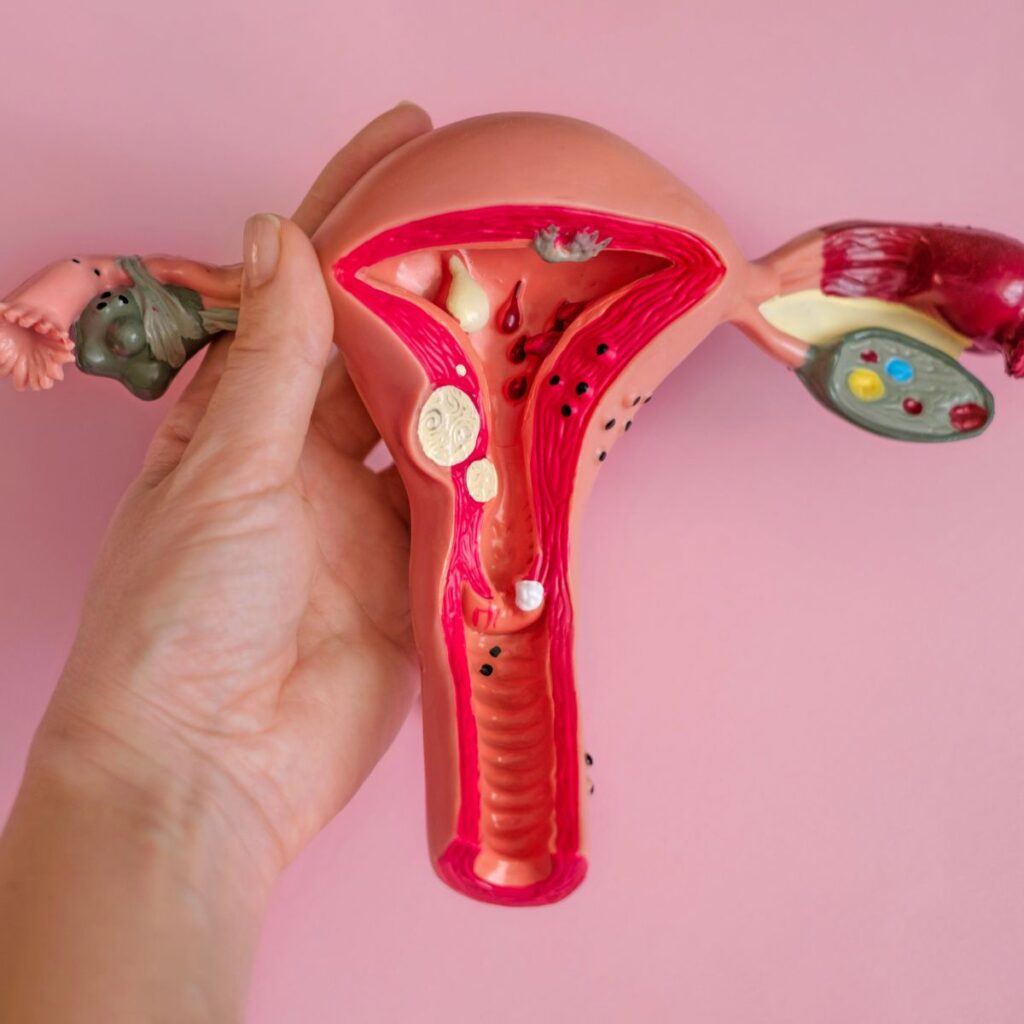
The uterus is a unique organ that combines muscular and glandular characteristics and has an exceptional ability to expand and regenerate. Despite this remarkable capacity, uterine fibroids are among the most common gynecological conditions, particularly during the reproductive years.
Estimates suggest that a significant percentage of women may develop fibroids before the age of 50, with prevalence varying according to genetics, age, ethnicity, and lifestyle factors.
Uterine fibroids are benign, non-cancerous growths that develop from the muscular tissue of the uterus. Although they are not cancerous, they can cause significant symptoms and complications that affect a woman’s quality of life.
What Are the Main Causes of Uterine Fibroids?
There is no single cause of uterine fibroids. Instead, several hormonal, metabolic, and genetic factors may contribute to their development.
1. Increased Estrogen Activity
Estrogen naturally stimulates the growth of uterine cells and tissues. However, when estrogen metabolism becomes disrupted or its effects on cells become stronger than normal, uterine tissue growth may become excessive.
Fibroid cells also tend to contain a higher density of hormone receptors, making them more sensitive to estrogen.
2. Genetics
Having a family history of uterine fibroids, particularly in a mother, sister, or grandmother, may increase the likelihood of developing them.
3. Age
Fibroids most commonly develop during the reproductive years, particularly between the 30s and 50s, when reproductive hormone activity is higher.
After menopause, some fibroids may shrink as hormone levels decline.
4. Insulin Resistance
Persistently elevated insulin levels may contribute to a metabolic and hormonal environment that encourages tissue growth.
For this reason, improving insulin sensitivity and regulating blood sugar can be an important part of a comprehensive approach.
Symptoms of Uterine Fibroids
Symptoms vary depending on the size, location, and number of fibroids. Some women may have no symptoms at all.
Common symptoms include:
- Heavy menstrual bleeding
- Bleeding between periods
- Severe menstrual pain
- Pelvic pressure or heaviness
- Lower back pain
- Bloating or enlargement of the lower abdomen
- Pain during intercourse
- Increased premenstrual symptoms
- Anemia caused by chronic blood loss
Estrogen Dominance: Does a Normal Estrogen Level Mean Everything Is Normal?
Not necessarily.
Estrogen blood tests may fall within the normal range while estrogen activity within the body is still greater than desired.
The issue is not only how much estrogen the body produces, but also how efficiently it metabolizes and eliminates excess estrogen.
This is where the liver and gut play important roles in maintaining healthy estrogen balance.
The Liver and Uterine Fibroids: How Does the Liver Eliminate Excess Estrogen?
After estrogen has performed its functions, some of it travels to the liver, where it is metabolized and converted into forms that can be more easily eliminated from the body.
The liver carries out several metabolic processes that help:
- Inactivate excess estrogen
- Convert it into forms that can be excreted
- Send it through bile into the intestines
- Prepare it for elimination through waste
If liver function is compromised by poor nutrition, excessive sugar intake, trans fats, alcohol, certain medications, or chronic inflammation, estrogen metabolism and elimination may become less efficient.
As a result, estrogen may remain in circulation for longer, potentially increasing stimulation of hormone-sensitive tissues, including uterine tissue.
The Gut and Uterine Fibroids: How Can Gut Health Help Prevent Estrogen Dominance?

Once the liver sends metabolized estrogen into the intestines, it needs to be eliminated through the stool.
This is where the gut microbiome becomes important.
Within the gut is a collection of bacteria known as the estrobolome, which is involved in regulating estrogen metabolism.
When the microbiome is balanced and bowel movements are regular, excess estrogen can be eliminated normally.
However, factors such as:
- Chronic constipation
- Dysbiosis, or an imbalance in gut bacteria
- Frequent antibiotic use
- Low fiber intake
- Intestinal inflammation
may increase the activity of an enzyme called beta-glucuronidase.
This enzyme can reactivate certain forms of estrogen in the intestines, allowing them to be reabsorbed into the bloodstream rather than eliminated.
For this reason, gut health, regular bowel movements, and a balanced microbiome may all be important for reducing estrogen recirculation.
Key Supplements That May Support Women With Uterine Fibroids
Vitamin D3 With K2
Vitamin D plays a role in regulating cell growth and gene expression, and some research has found an association between low vitamin D levels and a higher risk or greater size of uterine fibroids.
Vitamin D supplementation can be considered according to blood test results and under professional supervision, often for approximately three months before reassessment.
It is commonly combined with:
- Vitamin K2
- Magnesium
- Zinc
- Vitamin B6
Green Tea Extract — EGCG
EGCG is one of the major polyphenols found in green tea. It has been studied for its potential effects on oxidative stress, inflammation, and fibroid cell growth.
Some studies have used doses of approximately 300 mg per day for 3–4 months.
If a supplement is not being used, two cups of green tea can be incorporated regularly into the diet.
Curcumin
Curcumin is the main active compound in turmeric and is well known for its antioxidant and anti-inflammatory properties.
It may help:
- Support hormone metabolism
- Reduce inflammation
- Support liver health
- Improve the intestinal environment
It can be incorporated into a supportive protocol for several months depending on the individual case.
Black Cohosh
Black cohosh has traditionally been used to support certain hormone-related symptoms and may help relieve menstrual discomfort and some symptoms associated with hormonal fluctuations.
Calcium D-Glucarate
Calcium D-glucarate is used to support estrogen elimination through the intestines.
It may help reduce beta-glucuronidase activity and therefore potentially decrease the reabsorption of estrogen from the gut.
DIM
DIM, or diindolylmethane, is derived from compounds naturally present in cruciferous vegetables.
It may help support healthy estrogen metabolism and balance.
Probiotics
Supporting the gut microbiome may help promote a healthier estrobolome and address microbial imbalances that could contribute to estrogen recirculation.
Best Foods to Support Hormonal Balance and Fibroid Management

Cruciferous Vegetables
Some of the best options include:
- Broccoli
- Cauliflower
- Cabbage
- Kale
- Arugula
- Radishes
- Turnips
These vegetables contain compounds such as sulforaphane and precursors that the body can use to produce compounds related to DIM, supporting healthy estrogen metabolism.
Fiber-Rich Foods
Fiber is important because it helps:
- Promote regular bowel movements
- Feed beneficial gut bacteria
- Reduce estrogen reabsorption
- Support overall gut health
Good sources include:
- Oats
- Legumes
- Flaxseeds
- Vegetables
- Fruits
- Whole grains
Fermented Foods
Examples include:
- Kefir
- Natural yogurt
- Sauerkraut
- Kimchi
When well tolerated, fermented foods may help support gut microbial diversity.
Blood Sugar Regulation Is Very Important
Because insulin resistance may contribute to an environment that supports fibroid growth, it is important to focus on:
- Reducing added sugar
- Avoiding sweetened beverages
- Eating adequate protein
- Choosing healthy fats
- Exercising regularly
- Maintaining a healthy weight
- Reducing constant snacking between meals
The goal is not necessarily to follow a restrictive diet, but rather to improve insulin sensitivity and reduce repeated blood sugar spikes.

Should Dairy Products Be Avoided?
Dairy products do not necessarily need to be eliminated in every woman with uterine fibroids.
Instead, individual tolerance should be evaluated.
When appropriate, choose high-quality, minimally processed dairy products, ideally from pasture-raised sources, hormone-free sources, or sheep and goat dairy, rather than considering dairy itself a direct cause of fibroids.
When Do Uterine Fibroids Require Medical Intervention?
Not every uterine fibroid requires surgery.
However, medical evaluation is particularly important in cases of:
- Heavy or persistent bleeding
- Anemia
- Severe pain
- Rapid fibroid growth
- Pressure on the bladder or bowel
- Fertility problems
- Rapid enlargement of the abdomen
Treatment depends on factors including age, symptoms, fibroid size, location and number, as well as future pregnancy plans. Each case should be discussed in detail with a qualified healthcare professional.
Conclusion
Uterine fibroids are not simply a localized problem within the uterus. Their development and progression may be influenced by an interconnected network involving estrogen, insulin, liver function, gut health, the microbiome, and genetic factors.
For this reason, a comprehensive approach does not focus only on the fibroid itself, but also on improving the internal environment that may influence its growth.
Supporting the liver’s role in estrogen metabolism, improving gut health to reduce estrogen recirculation, regulating blood sugar, consuming cruciferous vegetables and adequate fiber, and correcting vitamin D deficiency may all be valuable components of a comprehensive plan alongside appropriate medical monitoring.
If you need more information about how to manage estrogen dominance and other issues like endometriosis, watch the full video below on Dr.Fajer YouTube channel: