

Blog
Your Complete Guide to Healing Gastritis: Natural Solutions to Soothe the Stomach and Prevent Complications
Sep
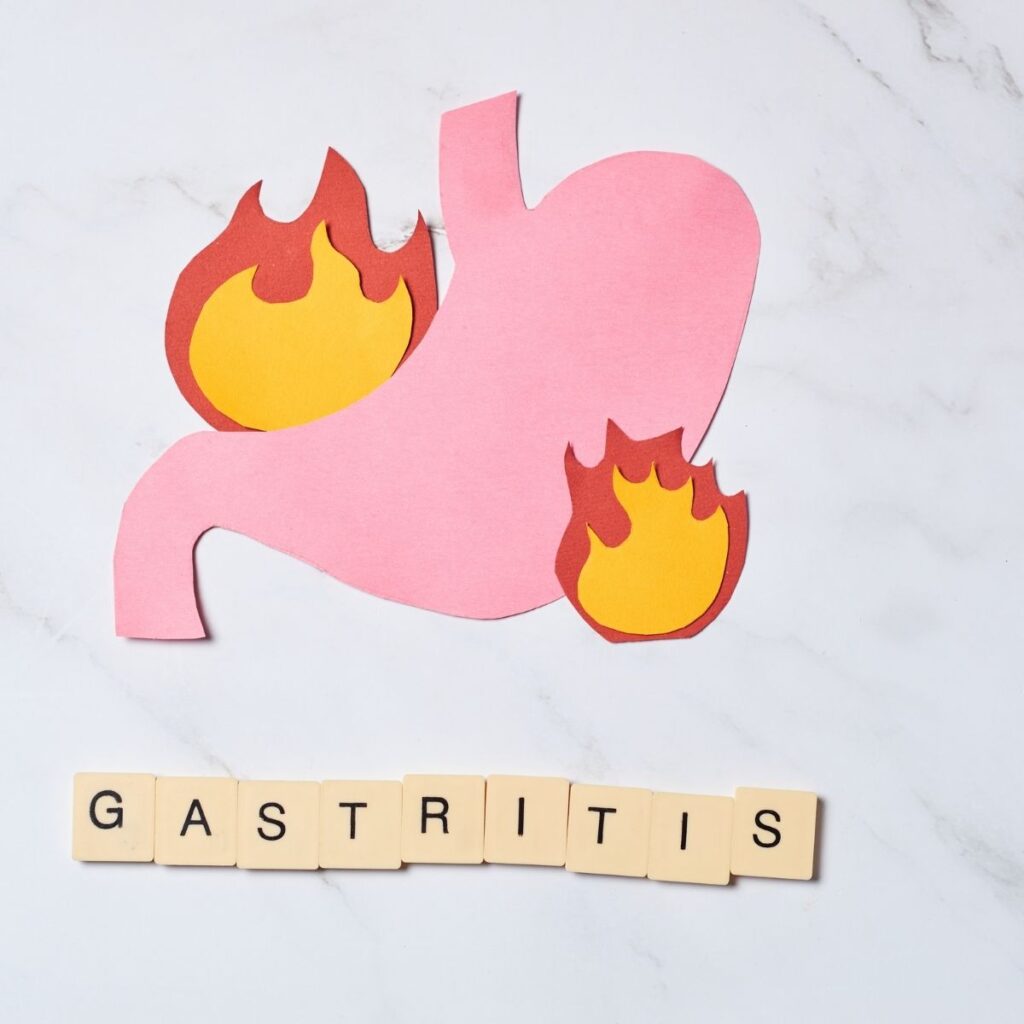
If you suffer from persistent abdominal pain, frequent bloating, or general fatigue, gastritis—inflammation of the stomach lining—may be one of the underlying causes. This condition can go beyond daily discomfort, and if left unmanaged, it may increase the risk of further health complications.
In this article, we’ll take you step by step through natural, at-home approaches that may help soothe the stomach, support healing, and restore balance to your digestive health.
First: What Is Gastritis and Why Does It Happen?

Gastritis refers to a group of conditions that cause inflammation, irritation, and damage to the stomach lining. It can be classified into:
- Acute gastritis: Develops suddenly and may result from the use of certain medications, particularly painkillers such as nonsteroidal anti-inflammatory drugs (NSAIDs).
- Chronic or atrophic gastritis: Develops gradually over time due to persistent irritation. Common causes include bacterial infection, particularly Helicobacter pylori (H. pylori), or autoimmune conditions such as autoimmune gastritis.
Symptoms You Should Not Ignore
- Pain in the upper abdomen
- Nausea or the urge to vomit
- Excessive fullness or indigestion
- Heartburn or acid reflux
- Fatigue
- Unexplained weight loss
Second: A Step-by-Step Home Approach to Soothe Gastritis Flare-Ups
Managing gastritis requires an individualized, comprehensive approach aimed at reducing inflammation and giving the digestive system an opportunity to heal.
Step 1: An Anti-Inflammatory Diet and Better Eating Habits
There is no single diet that works for everyone. However, beginning with a gradual elimination approach may help identify foods that trigger stomach irritation.
Strict Dietary Guidelines for the First Two Weeks
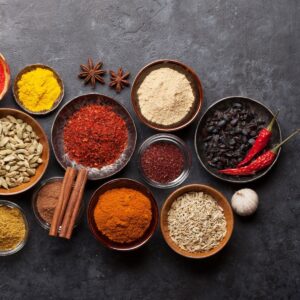
- Spices: Focus on foods free from strong spices and seasonings, using only Italian herbs and salt.
- Protein: Avoid fatty red meats and focus primarily on grilled chicken or grilled fish.
- Carbohydrates and fiber: Choose white rice, sweet potatoes, and pumpkin. These foods can provide gentle sources of carbohydrates and fiber that support the digestive environment.
- Drinks and dairy: Kefir may be included to support gut health if well tolerated.
Paleo Diet
A Paleo-style diet may be used initially to remove foods that could contribute to digestive irritation in some individuals, including grains, legumes, dairy products, processed foods, and artificial sweeteners for approximately 2–3 weeks.
Instead, focus on fresh vegetables, moderate amounts of fruit, lean meats, fish, eggs, and healthy fats such as olive oil and avocado.
Low-FODMAP Diet
If you do not experience sufficient improvement after the Paleo approach, a Low-FODMAP diet may be considered as a more restrictive short-term strategy, particularly when gastritis is accompanied by significant bloating or IBS-like symptoms.
Improve Your Eating Habits
Eating too quickly, having irregular meals, and frequently snacking on leftovers may aggravate digestive discomfort and bloating. Try to:
- Eat smaller, more frequent meals.
- Eat slowly and chew your food thoroughly.
- Avoid alcohol and frequent snacking on leftover foods.
Step 2: Probiotics to Support Gut Health

Probiotic supplements, particularly multi-strain formulas, may help support a healthier digestive microbiome. They have also been studied as an adjunct to conventional H. pylori treatment, potentially helping reduce treatment-related side effects and supporting eradication rates.
Step 3: Nutritional Supplements to Address Poor Absorption
Chronic inflammation of the stomach lining can damage cells involved in gastric acid production, which may interfere with the absorption of important nutrients.
Zinc Carnosine
Benefits: Zinc carnosine is a unique compound that has been studied for its potential role in supporting the stomach lining and promoting healing in gastritis and peptic ulcers.
In the stomach, zinc carnosine dissociates into zinc and carnosine. Zinc may support the stomach’s natural protective mechanisms, including mucus production, and has been investigated for its effects in relation to H. pylori.
Carnosine provides beta-alanine and histidine and may contribute to antioxidant defenses, help regulate inflammation, and support the integrity and regeneration of the gastrointestinal lining.
Dosage and use: 150 mg daily, divided into two doses—75 mg in the morning and 75 mg in the evening—for approximately 1–3 months.
Vitamin B12 and Iron
Deficiencies in vitamin B12 and iron can occur in certain forms of chronic or atrophic gastritis and may contribute to anemia and fatigue. Depending on laboratory results and the underlying cause, supplementation with stomach-friendly oral iron or vitamin B12 may be required.
Vitamin D
Vitamin D plays an important role in immune regulation. If a deficiency is present, correcting it may be particularly relevant in individuals with autoimmune gastritis.
Natural Herbal Recipes to Soothe Gastritis
Soothing Carob Drink
Ingredients:
- 1 tablespoon pure carob powder
- 1 cup warm water
Preparation and use: Dissolve the carob powder thoroughly in warm water and drink one cup daily, either in the morning or approximately 30 minutes before a main meal.
Alternatively: Boiled Whole Carob Pods
Ingredients:
- 3–4 dried carob pods, washed and deseeded
- 1 liter of water
Preparation: Cut the pods into small pieces and simmer them in water over low heat for approximately 15–20 minutes.
Red Cabbage Juice

Benefits: Red cabbage provides glutamine-related amino acids and is rich in antioxidant compounds, particularly anthocyanins. These nutrients may help support the cells of the gastrointestinal lining, protect against oxidative stress, and support the natural repair of irritated tissues.
Preparation and use: Juice approximately ¼–½ of a fresh red cabbage using a juicer. Alternatively, blend it with a small amount of water and strain thoroughly.
Drink one fresh cup daily, preferably in the morning or between meals. You can begin with a smaller amount and gradually increase your intake according to tolerance.
Aloe Vera Drink
Aloe vera may help soothe irritation and support the gastrointestinal mucosa.
Suggested use: ¼ cup twice daily for one week.
Marshmallow Root Tea
Marshmallow root contains naturally occurring mucilage, which forms a soothing layer that may help protect irritated mucous membranes.
Suggested use: One cup daily in the morning.
Frankincense Infusion
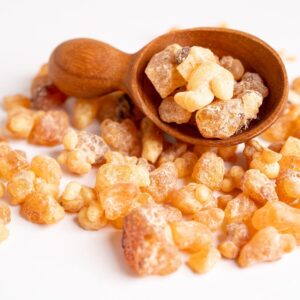
Frankincense contains compounds with anti-inflammatory properties and has traditionally been used to support digestive comfort.
Suggested use: One cup of the infusion daily.
Conclusion
Managing gastritis requires patience and a gradual, individualized approach. Supporting recovery begins with adjusting your diet and eating habits, followed by supporting the digestive environment and correcting any confirmed nutritional deficiencies.
Natural approaches can complement medical care, but persistent or severe gastritis—particularly when associated with H. pylori, autoimmune gastritis, bleeding, anemia, persistent vomiting, or unexplained weight loss—should be medically evaluated so the underlying cause can be properly diagnosed and treated.
If you need more informations about how to heal naturally H.Pylori you can the full episode below on Dr.Fajer’s youtube channel: