

Blog
Heavy Periods With Age: Root Causes and Natural Support
Sep
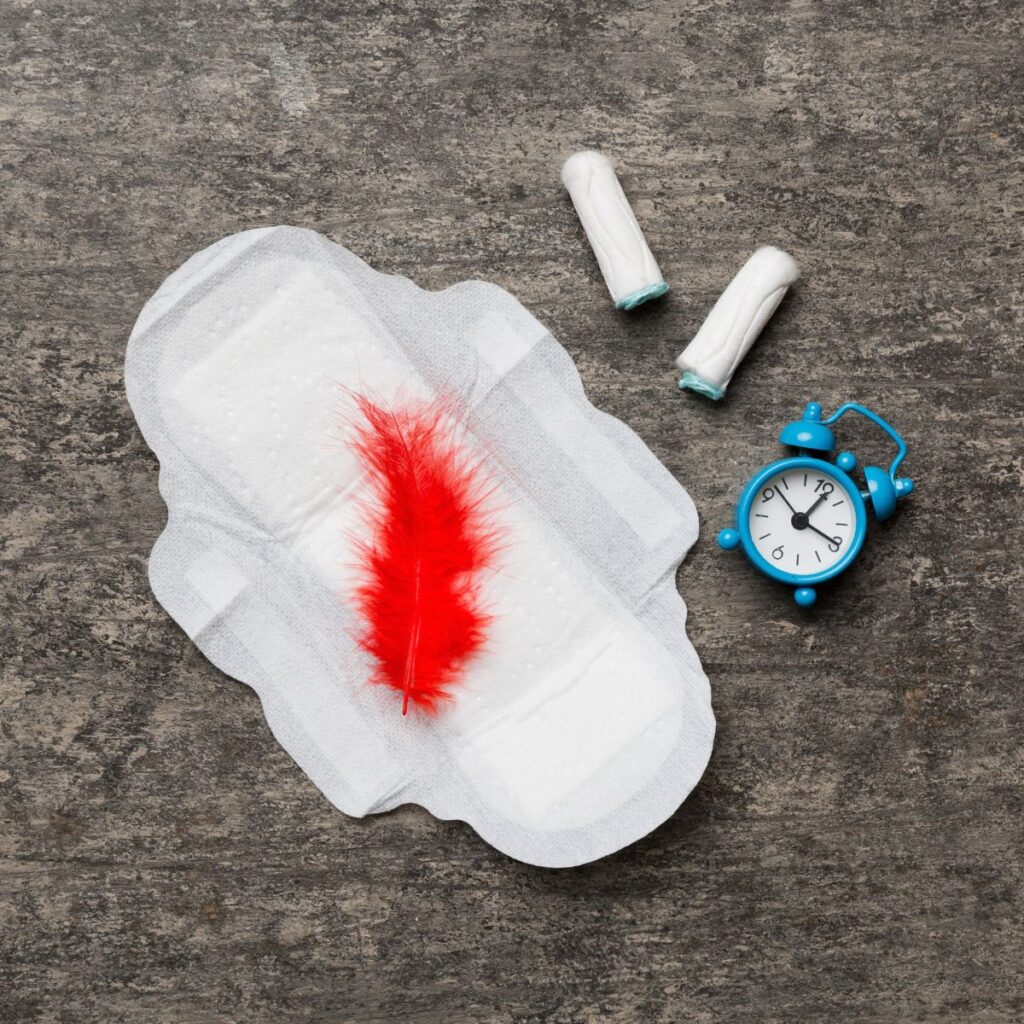
Heavy periods are common, especially in women in their 30s and 40s, but they should not automatically be dismissed as “just part of getting older.”
As women move toward perimenopause, hormone patterns become less predictable. Progesterone often declines first, while estrogen may fluctuate significantly. This can affect ovulation, the thickness of the uterine lining, and the amount of bleeding during menstruation.
At the same time, conditions such as uterine fibroids, polyps, adenomyosis, thyroid dysfunction, insulin resistance, and clotting disorders become increasingly important to rule out.
The goal is not simply to “stop the bleeding,” but to understand why it is happening.
What Is Considered a Heavy Period?
Heavy menstrual bleeding is also called menorrhagia.
A normal period usually lasts around 3–7 days, with average blood loss of approximately 35–40 mL.
- Heavy menstrual bleeding may include:
- Bleeding for more than 7 days
- Losing more than approximately 80 mL of blood per cycle
- Soaking through a pad or tampon every hour for several consecutive hours
- Needing to use double protection
- Waking during the night to change pads or tampons
- Passing large blood clots
- Avoiding normal activities because of bleeding
- Persistent lower abdominal discomfort
- Fatigue, dizziness, or shortness of breath from iron deficiency
If heavy bleeding is new, worsening, or affecting daily life, it deserves proper medical evaluation.
Why Do Periods Often Get Heavier With Age?
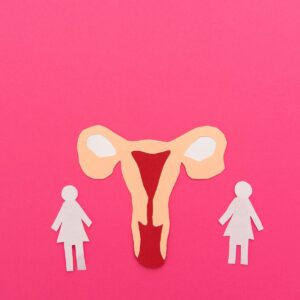
One of the most common reasons is hormonal change during perimenopause.
During a healthy ovulatory cycle, estrogen helps build the uterine lining, while progesterone helps regulate and organize that growth after ovulation.
As women approach menopause, ovulation may become less consistent. When ovulation does not occur, progesterone production is lower.
This can leave estrogen relatively unopposed, allowing the uterine lining to become thicker. When it finally sheds, bleeding may be heavier, longer, or more irregular.
This is why women in perimenopause may notice:
- Shorter cycles
- Longer gaps between cycles
- Skipped periods
- More clots
- Stronger PMS symptoms
Hormonal Imbalance and Estrogen Dominance
One important contributor to heavy bleeding is estrogen dominance, meaning estrogen activity is relatively high compared with progesterone.
This does not always mean estrogen itself is abnormally high.
Sometimes the issue is that progesterone is too low because ovulation did not occur normally.
Factors that can contribute include:
- Perimenopause
- PCOS
- Insulin resistance
- Thyroid dysfunction
- Chronic stress
- Anovulatory cycles
- Obesity
- Poor estrogen metabolism
When estrogen stimulates the uterine lining without enough progesterone to balance it, the endometrium can become excessively thick, increasing the risk of heavy bleeding.
Why Stress Can Make Periods Heavier
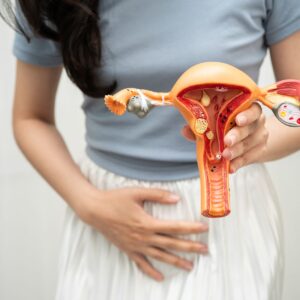
Stress affects the reproductive system through cortisol and the hypothalamic-pituitary-ovarian axis.
Severe emotional stress, physical stress, under-eating, excessive exercise, or poor recovery can interfere with ovulation.
If ovulation does not occur, progesterone remains low, which may result in irregular and sometimes very heavy bleeding.
This is why menstrual health cannot be separated from sleep, nutrition, stress, and energy balance.
Hormone Testing for Heavy Periods
A comprehensive evaluation may include:
- FSH
- LH
- Estradiol
- Progesterone
- Testosterone
- Prolactin
- Thyroid markers
- Fasting glucose
- Insulin
- HbA1c
Blood testing is usually the first step.
However, because estrogen and progesterone fluctuate throughout the menstrual cycle, a single blood test may not always reflect the full hormonal picture.
In some cases, repeated testing or carefully timed hormone testing may provide more useful information.
Iron Deficiency: One of the Biggest Consequences of Heavy Periods
Heavy menstrual bleeding is one of the most common causes of iron deficiency in menstruating women.
Symptoms may include:
- Fatigue
- Weakness
- Dizziness
- Headaches
- Pale skin
- Hair loss
- Exercise intolerance
- Shortness of breath
- Restless legs
Over time, untreated iron deficiency can significantly affect quality of life.
Supporting Iron Levels
Iron-rich foods include:
- Liver
- Red meat
- Chicken
- Turkey
- Fish
- Shellfish
- Eggs
Plant-Based Iron Sources
- Lentils
- Sesame
- dates
- Kidney beans
- Pumpkin seeds
- Blackstrap molasses
- Spinach
- Quinoa
- Buckwheat
- Amaranth
Vitamin C helps improve iron absorption, so pairing iron-rich foods with citrus, berries, bell peppers, or another vitamin C source may help.
On the other hand, large amounts of tea, coffee, calcium, phytates, and oxalates around the same meal can reduce absorption.
Iron supplementation should ideally be based on blood work.
Ferrous bisglycinate is one form often used because some people tolerate it better than other forms of iron.
Nutrition for Hormonal Balance and Heavy Periods
A hormone-supportive diet should focus on stabilizing blood sugar, supporting ovulation, lowering inflammation, and improving estrogen metabolism.
Prioritize Fiber
Aim for roughly 25–30 g of fiber daily, depending on tolerance, from sources like nuts and seeds and vegetables.
Fiber also supports regular bowel movements, which helps the body eliminate metabolized hormones.
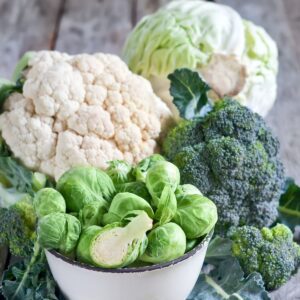
Include Cruciferous Vegetables
Broccoli, cauliflower, cabbage, kale, and similar vegetables contain compounds involved in healthy estrogen metabolism.
They are particularly useful in diets aimed at supporting estrogen balance.
Include Omega-3 Fats
Omega-3-rich foods include:
- Salmon
- Sardines
- Mackerel
- Chia seeds
- Flaxseeds
- Walnuts
These fats help support anti-inflammatory pathways and overall hormone health.
Healthy Fats Matter
Include:
- Olive oil
- Avocado
- Nuts
- Seeds
- Pumpkin seeds
- Sesame oil
- Fatty fish
At the same time, significantly reduce trans fats from:
- Commercial pastries
- Fried foods
- Shortening
- Packaged baked products
- Some frozen processed foods
Eat Enough Calories
Chronic under-eating can impair ovulation.
This matters because poor ovulation means lower progesterone, which may worsen heavy or irregular bleeding.
The goal is not only to “eat clean,” but to eat enough to support hormonal function.
Include B-Vitamin-Rich Foods
Plant sources include:
Brown rice
Avocado
Nutritional yeast
Bananas
Spinach
Leafy greens
Nuts
Legumes
Peas
Reduce Refined Carbohydrates
Reduce or remove:
White flour
Commercial baked goods
Sugary cereals
Cakes
Biscuits
Pastries
Sweets
Refined pasta
This is especially important when insulin resistance or PCOS contributes to hormonal imbalance.
Green Tea
Green tea provides polyphenols, including EGCG, which has been studied particularly in relation to uterine fibroids.
In some fibroid studies, EGCG was associated with reductions in fibroid size over several months.
An often-used research dose is approximately 300 mg daily, although concentrated green tea extracts should be used carefully because high doses may affect the liver in susceptible individuals.
Vitamin D
Vitamin D deficiency is common and may be particularly relevant in women with fibroids.
Some studies have found that correcting low vitamin D status may help slow fibroid growth.
A basic dose sometimes used is around 1,000 IU daily, but the best dose depends on blood levels.
Higher doses should be guided by testing.
DIM
Diindolylmethane (DIM) is a compound related to nutrients found in cruciferous vegetables.
It is commonly used to support estrogen metabolism.
Typical supplemental doses used in practice may range from approximately 100–200 mg daily, depending on the individual.
Herbal Support for Heavy Menstrual Bleeding
Herbal medicine traditionally uses a category of herbs known as styptics, meaning herbs used to help slow excessive bleeding.
These should be used carefully, especially when bleeding is severe or when the person uses anticoagulant medication.
Ginger
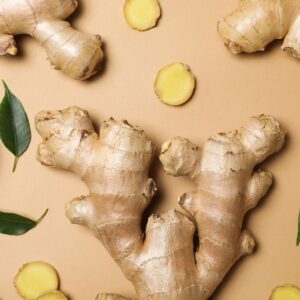
Ginger has been studied for heavy menstrual bleeding.
A 2015 trial reported reduced menstrual blood loss over three cycles, while a later study investigated ginger alongside ibuprofen.
A commonly studied approach was approximately 300 mg three times daily for seven days during menstruation.
Boswellia
Boswellia contains boswellic acids and is best known for its anti-inflammatory activity.
One study evaluating Boswellia alongside ibuprofen reported improvement in bleeding duration and quality of life.
It may therefore be useful when heavy periods coexist with significant inflammation or pain.
Cinnamon
Cinnamon is traditionally used as a styptic herb and may help support circulation, blood sugar regulation, and menstrual comfort.
Chaste Tree
Chaste tree (Vitex agnus-castus) is commonly used to support progesterone-related hormonal balance and menstrual regulation.
Standardized extracts are sometimes used in the range of 200–400 mg daily, although formulations vary greatly and dosing depends on extract concentration.
It is not appropriate for every hormonal condition, so it should be individualized.
Nettle tea
Nettle is traditionally used as an astringent herb, which may help reduce excessive bleeding. This makes it particularly useful during heavy menstrual periods.
It also provides iron and other minerals, so it can be a helpful addition when heavy monthly bleeding contributes to low iron levels.
A simple option is nettle tea during menstruation, especially for women with heavy flow, to provide gentle astringent support while also contributing some iron and minerals.
Reduce Exposure to Endocrine Disruptors
Endocrine-disrupting chemicals can interfere with hormonal signaling.
Possible sources include:
- Plastics
- Fragrances
- Some cosmetics
- Pesticides
- Certain household products
- Dioxins and environmental pollutants
These chemicals are not necessarily direct causes of heavy bleeding, but chronic exposure may worsen estrogen-sensitive conditions such as fibroids and endometriosis.
Reducing unnecessary exposure is a reasonable long-term hormone-support strategy.
Exercise and Hormonal Health
Regular aerobic and resistance training may improve:
- Insulin sensitivity
- Blood sugar regulation
- Body composition
- Estrogen metabolism
- Progesterone balance
- Testosterone regulation
This is especially important for women with PCOS or insulin resistance.
However, excessive training without adequate food and recovery can have the opposite effect and may suppress ovulation.
Balance matters.
Final Thoughts
Heavy periods are common, but they are not something women should simply tolerate.
As women move through their 30s and 40s, changes in ovulation, progesterone, estrogen, insulin sensitivity, thyroid function, and uterine health can all affect menstrual flow.
The goal is not only to make periods lighter, but to restore the hormonal, metabolic, and uterine health behind a healthier menstrual cycle.
If you’d like to learn more about natural approaches to endometriosis and hormonal imbalances, watch Dr. Fajer Aljumairi’s full episode on YouTube: