

Blog
Propolis: The Powerful Bee Compound for Gut Health, Blood Sugar, Immunity, and Healthy Aging
Jul
What Is Propolis?
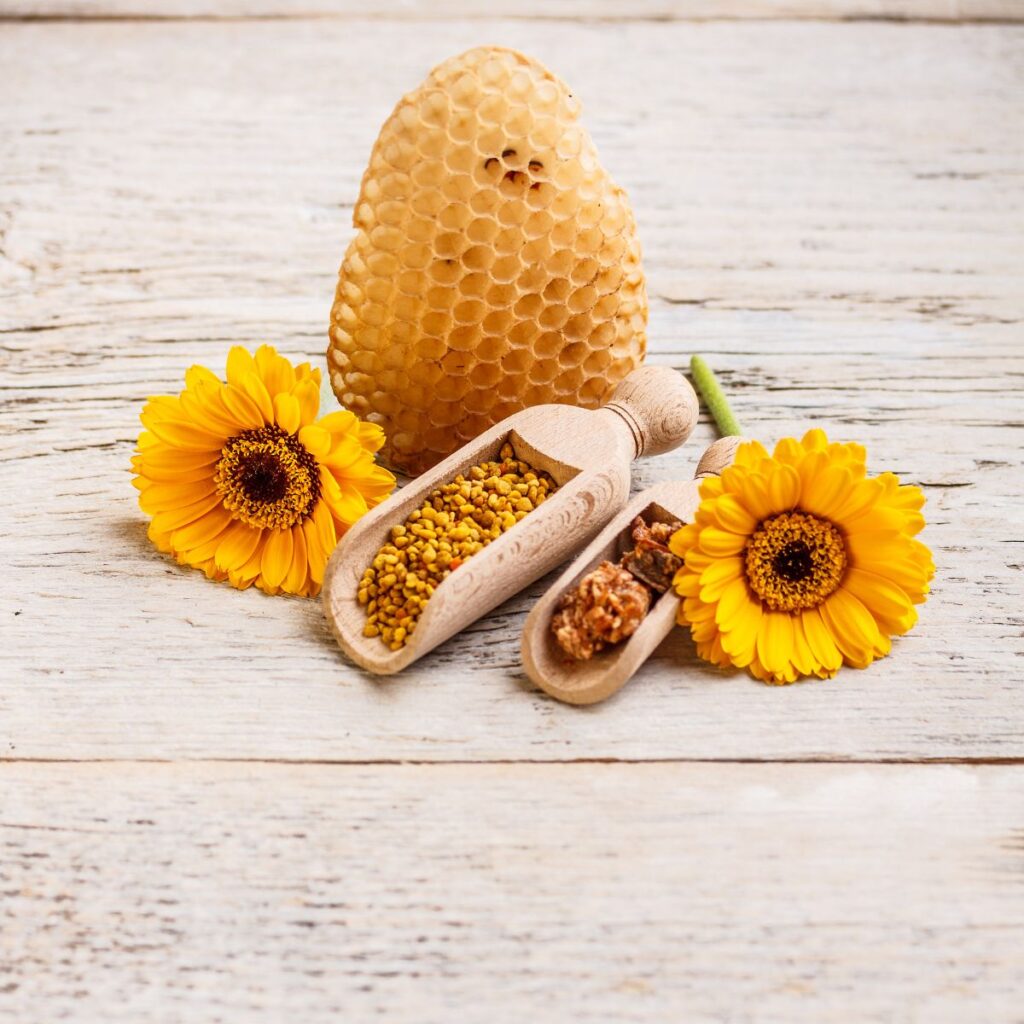
Propolis, often called “bee glue,” is a natural resinous substance produced by honeybees from plant resins, beeswax, and their own enzymes. Bees use it to protect and disinfect their hives, preventing the growth of harmful microorganisms.
For centuries, propolis has been used in traditional medicine, and today it is recognized as a functional food because of its remarkable concentration of bioactive compounds.
More than 400 natural compounds have been identified in propolis, including:
– Flavonoids
– Polyphenols
– Phenolic acids
– Caffeic Acid Phenethyl Ester (CAPE)
– Chrysin
– Pinocembrin
– Galangin
– Vitamins
– Amino acids
– Fatty acids
– Essential oils
Together, these compounds give propolis its antioxidant, antimicrobial, anti-inflammatory, antiviral, and tissue-repairing properties.
How Does Propolis Work?
Rather than acting through one single pathway, propolis influences several biological systems simultaneously.
Research suggests it can:
– Remodel the gut microbiome
– Reduce chronic inflammation
– Strengthen the intestinal barrier
– Support immune function
– Fight bacteria, fungi and some viruses
– Reduce oxidative stress
– Improve glucose and lipid metabolism
– Stimulate collagen production and tissue repair
Because of these multiple mechanisms, propolis has become one of the most studied natural compounds in functional medicine.
Propolis and Gut Health
One of the newest and most exciting areas of research is the effect of propolis on the gut microbiome.
Recent studies suggest that propolis acts almost like a prebiotic, helping beneficial bacteria thrive while suppressing harmful microbes.
Research has shown that propolis may increase populations of:
– Bifidobacterium
– Lactobacillus
– Short-chain fatty acid (SCFA)-producing bacteria
while reducing potentially harmful organisms such as:
– Clostridium
– Certain strains of Escherichia coli
This shift toward a healthier microbial balance may have widespread effects on digestion, metabolism, and immune function.
Supports Short-Chain Fatty Acid (SCFA) Production
By encouraging beneficial gut bacteria, propolis increases the production of important short-chain fatty acids, including:
– Butyrate
– Acetate
– Propionate
These compounds play critical roles in human health by:
– nourishing colon cells
– lowering intestinal pH
– strengthening the gut lining
– improving insulin sensitivity
– regulating lipid metabolism
– reducing chronic inflammation
Strengthens the Gut Barrier
A healthy intestinal barrier prevents toxins and bacterial components from leaking into the bloodstream.
Experimental studies show that propolis can:
– increase tight junction proteins such as Occludin and ZO-1
– reduce intestinal permeability (“leaky gut”)
– decrease lipopolysaccharide (LPS) leakage
– suppress inflammatory pathways including NF-κB
– reduce inflammatory cytokines such as TNF-α and IL-6
These mechanisms help explain why propolis is being investigated for many chronic inflammatory diseases.
Propolis and Candida
Candida albicans normally exists as part of the human microbiome, but excessive growth can contribute to digestive, oral, vaginal, and systemic symptoms.
Numerous laboratory studies demonstrate that propolis possesses significant antifungal activity against Candida.
Brazilian Red Propolis has shown particularly impressive results.
Laboratory research demonstrated that it:
– inhibited Candida growth at relatively low concentrations
– reduced mature Candida biofilms by approximately 50%
– reduced developing biofilms by nearly 80%
– disrupted the protective extracellular matrix that allows Candida biofilms to survive
Human evidence is also encouraging.
A clinical study involving patients with oral candidiasis found that propolis extract significantly improved fungal infection associated with denture-related stomatitis.
Metabolic Health: Blood Sugar, Obesity, and Insulin Resistance
Chronic metabolic diseases are frequently associated with gut dysbiosis and persistent inflammation.
Several animal studies and human clinical trials suggest that propolis may improve:
– fasting blood glucose
– HbA1c
– insulin sensitivity
– insulin resistance
– cholesterol
– triglycerides
– LDL cholesterol
– HDL cholesterol
To date, numerous studies investigating obesity, fatty liver disease, diabetes, and atherosclerosis consistently show that propolis improves gut microbiota composition while simultaneously improving metabolic health.
Clinical Trial in Type 2 Diabetes
A randomized placebo-controlled clinical trial involving 66 adults with type 2 diabetes evaluated propolis supplementation over 12 weeks.
Compared with placebo, participants receiving propolis demonstrated improvements in:
– fasting blood glucose
– long-term blood sugar control (HbA1c)
– insulin resistance
– several cholesterol markers
Immune Support & Natural Antimicrobial Effects
Propolis is a natural substance bees use to protect their hive from harmful microbes.
Rich in flavonoids and phenolic compounds, it has antimicrobial and anti-inflammatory properties that help support the immune system.
Laboratory studies suggest propolis may:
- reduce viral attachment
- slow viral replication
- and lower inflammation.
It has shown activity against viruses such as herpes simplex (HSV), influenza, and SARS-CoV-2.
Anti-Parasitic Activity
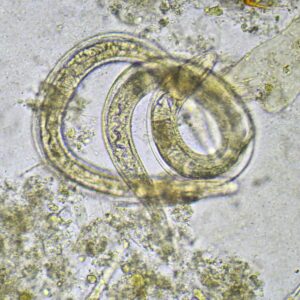
Clinical research has also investigated propolis for Giardia lamblia, one of the most common intestinal parasites.
In one clinical trial involving 138 children and adults, propolis achieved:
– approximately 52% cure rates in children
– approximately 60% parasite elimination in adults
These findings suggest propolis possesses meaningful antiparasitic activity, although further research is needed.
Wound Healing and Tissue Repair
Propolis has long been used to support wound healing.
Research indicates it may accelerate tissue repair by:
– stimulating fibroblast proliferation
– increasing collagen production
– promoting angiogenesis
– reducing microbial contamination
– lowering oxidative stress
– decreasing local inflammation
These properties have generated interest in diabetic wound healing, where impaired tissue repair is a major clinical challenge.

Skin Health
Because of its antioxidant, collagen-supporting, antimicrobial, and anti-inflammatory actions, propolis is increasingly used in dermatology.
Studies suggest it may help support:
– wound healing
– acne-prone skin
– skin repair
– healthy collagen production
– protection against oxidative skin aging
Fertility and Endometriosis
A pilot randomized controlled trial investigated propolis supplementation in women with infertility associated with mild endometriosis.
Women taking 500 mg twice daily for six months achieved pregnancy rates of approximately 60%, compared with 20% in the placebo group.
Recommended Dosage
Typical supplemental doses range from:
500 mg once or twice daily
Always follow manufacturer recommendations and choose products that are:
– standardized
– third-party tested
– free from unnecessary fillers
Safety and Precautions
Propolis is generally well tolerated but is not appropriate for everyone.
Avoid or consult a healthcare professional before use if you:
– are allergic to bees, honey, royal jelly, bee pollen, poplar, or conifer trees
– have asthma
– take blood-thinning medications
– have bleeding disorders
– are pregnant or breastfeeding
– are scheduled for surgery (stop at least two weeks beforehand)
The Bottom Line
Propolis is one of nature’s richest sources of bioactive compounds. Modern research suggests it supports health through multiple complementary mechanisms—including remodeling the gut microbiome, strengthening the intestinal barrier, increasing short-chain fatty acid production, reducing inflammation, improving metabolic health, and providing broad antimicrobial activity against bacteria, fungi, parasites, and certain viruses.
If you need more detailed information about how to support your immunity, watch the episode below on Dr.Fajer’s youtube channel: