

Blog
The Best Natural Binders for SIBO: How to Support Detox and Reduce Die-Off Symptoms
Nov
Have you ever started a SIBO treatment expecting your bloating and digestive discomfort to improve, only to feel worse during the first few days?
You may experience more bloating, fatigue, headaches, brain fog, or changes in bowel movements.
Some people describe this as a “die-off reaction”, believing it happens when harmful bacteria begin to break down during treatment.
This is where binders come in. You may have heard of activated charcoal, commonly used for certain types of poisoning. But binders are also being explored for their potential to support gut health and toxin elimination.
These substances can attach to certain compounds inside the digestive tract and help carry them out through the stool.
But do you really need a binder during SIBO treatment? And which options are best for supporting your gut without interfering with nutrient absorption?
Let’s explore how binders work, the differences between them, and what science actually supports.
What Happens During SIBO Treatment?
Small Intestinal Bacterial Overgrowth, or SIBO, occurs when excessive numbers of bacteria grow in the small intestine, where bacterial populations are normally lower than in the colon.
This can interfere with normal digestion and lead to symptoms such as:
– Bloating, gas, and abdominal discomfort.
– Constipation, diarrhea, or alternating bowel habits.
– Feeling unusually full after meals.
– Fatigue and, in some cases, nutrient deficiencies.
– Brain fog and difficulty concentrating.
Certain people with SIBO may also develop vitamin B12 deficiency or problems absorbing nutrients.
Researchers have additionally investigated possible connections between SIBO and conditions such as rosacea, although these associations do not mean that SIBO causes every skin or mood-related symptom.
Successful treatment involves more than reducing bacterial overgrowth. It also requires understanding why the overgrowth developed in the first place.

What Is a SIBO Die-Off Reaction?
During antimicrobial treatment, some people experience a temporary increase in symptoms.
This is commonly called die-off or a Herxheimer-like reaction.
The proposed explanation is that when certain bacteria are damaged or killed, components of their cell walls may be released.
For example, bacteria such as E. coli and Klebsiella contain lipopolysaccharide (LPS), also known as endotoxin, in their outer membranes.
LPS can activate immune responses and inflammatory signaling under certain conditions.
This has led to the theory that bacterial breakdown during treatment may contribute to temporary discomfort.
Commonly Reported Symptoms
People describing die-off reactions may report:
– Fatigue and weakness.
– Headaches or brain fog.
– Body aches.
– Increased bloating or digestive discomfort.
– Skin reactions.
– Chills or flu-like symptoms.
These symptoms are sometimes reported within hours or days of starting treatment, and some people describe improvement within approximately three to seven days.
However, there is an important scientific distinction: A true Jarisch–Herxheimer reaction is a recognized response to treatment of certain infections, but it has not been established as a routine consequence of SIBO treatment.
Feeling worse does not necessarily mean bacteria are dying or that treatment is working.
Symptoms may instead result from medication side effects, food intolerance, constipation, dehydration, or another medical problem.
Fever, severe pain, persistent diarrhea, rash, or worsening symptoms should not automatically be dismissed as detoxification.
What Are Binders, and How Do They Work?
Binders are substances that can attach to certain molecules inside the digestive tract.
Think of them as tiny sponges or traps.
Instead of allowing a substance to remain freely available in the intestine, a binder may hold onto it so that the bound material passes out of the body through the stool.
This process is called adsorption, meaning molecules stick to the surface of another substance.
Different binders have different structures, so they do not all attach to the same compounds.
Some are used medically for specific poisonings, while others are fibers that support bowel regularity.
Why Might Binders Be Considered During SIBO Treatment?
In functional medicine, binders are sometimes included in protocols designed to support intestinal elimination during antimicrobial treatment.
The proposed benefits include:
- Binding certain substances in the intestine
Some binders can attach to particular chemicals or microbial compounds before they are absorbed.
- Supporting bowel elimination
Fiber-based options can improve stool consistency and regularity, helping waste move through the digestive tract.
- Reducing reabsorption of specific compounds
Certain fibers and medically approved binding agents can influence the recycling of bile acids and other substances.
- Potentially reducing intestinal exposure to irritating compounds
This is one reason binders are sometimes considered during digestive protocols.
The Best Natural Binders for SIBO and Digestive Support
- Activated Charcoal: A Powerful Adsorbent
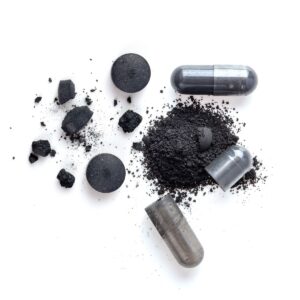
Activated charcoal is one of the best-known binding substances.
It is made from carbon that has been processed to create a highly porous surface.
These tiny pores provide a large area where certain molecules can attach.
How does it work?
Activated charcoal can trap some substances within the digestive tract and reduce their absorption.
This is why medical-grade activated charcoal is used in hospitals for selected types of poisoning.
In functional medicine, it is sometimes used during antimicrobial protocols in an attempt to reduce exposure to unwanted intestinal compounds.
Important precautions
Activated charcoal can reduce the absorption of medications and some supplements.
It may also cause constipation, nausea, or black stools.
For this reason, it should not be taken routinely alongside medications, and spacing doses by two hours may not be sufficient for every drug.
It is especially unsuitable for unsupervised use when constipation or slow intestinal movement is already a problem.
- Zeolite: A Mineral Binder Being Studied for Heavy Metals
Zeolite is a naturally occurring mineral with a porous, cage-like structure.
Its surface can attract and hold certain charged substances through a process called ion exchange.
This property has made zeolite useful in environmental filtration and has encouraged research into its potential use in the digestive tract.
What might it bind?
Laboratory studies suggest that some zeolites can interact with certain metals and other compounds.
However, results depend on the exact type of zeolite, its purity, and the conditions in which it is tested.
- Shilajit: A Mineral-Rich Substance With Fulvic and Humic Acids
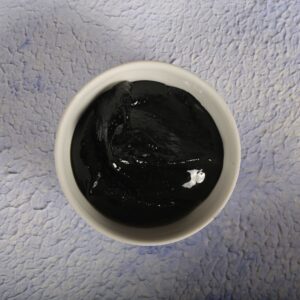
Shilajit is a dark, resin-like substance formed through the gradual breakdown of organic material in mountain rocks.
It contains a mixture of trace minerals and organic compounds, particularly fulvic acid and humic substances.
These compounds can interact with certain minerals and chemicals.
Why is shilajit considered a binder?
Fulvic and humic acids have chemical groups capable of attaching to certain metals and other substances.
This binding behavior has been studied in laboratory and environmental settings.
Shilajit also contains compounds being investigated for antioxidant and anti-inflammatory effects.
If considered for supplementation, only purified, independently tested products should be used.
- Chlorella: A Green Algae With Potential Metal-Binding Properties
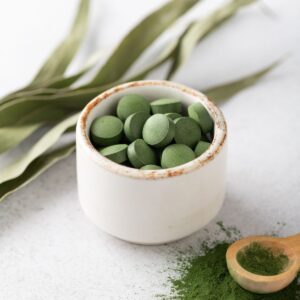
Chlorella is a freshwater green algae containing protein, chlorophyll, and several nutrients.
It has attracted attention because components of its cell wall can bind certain metals under experimental conditions.
People taking warfarin should be particularly cautious because chlorella products may contain vitamin K.
- Psyllium Husk: A Gentle Fiber for Bowel Regularity
Unlike activated charcoal or zeolite, psyllium is not primarily used to trap toxins.
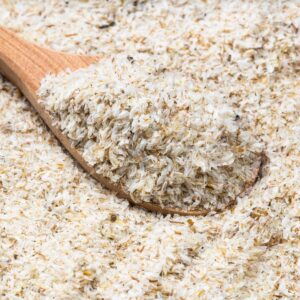
It is a soluble, gel-forming fiber obtained from the seeds of the Plantago ovata plant.
When mixed with water, psyllium forms a soft gel that helps regulate stool consistency.
This makes it useful for both constipation and certain types of diarrhea.
Why might it help during a gut protocol?
Regular bowel movements support the normal elimination of waste.
Psyllium can also influence bile acid handling and has evidence for lowering LDL cholesterol.
Its effects on stool consistency may be particularly useful when constipation is contributing to digestive discomfort.
Some people also use psyllium as part of a high-fiber dietary approach to support estrogen metabolism.
How to use it
A practical starting amount is approximately one teaspoon of psyllium husk mixed into a full glass of water, following the product instructions.
Increase gradually according to tolerance.
Psyllium must be taken with adequate fluid, and people with swallowing difficulties or suspected bowel obstruction should avoid it unless medically advised.
- Flaxseeds, Chia Seeds, and Bran: Food-Based Fiber Support
You do not always need a specialized detox supplement to support healthy bowel movements.
Several everyday foods provide fiber that helps the digestive tract eliminate waste.
Ground flaxseeds contain soluble and insoluble fiber, along with plant compounds called lignans.
Chia seeds form a gel when hydrated and provide fiber that can help improve stool consistency.
Wheat bran is rich in insoluble fiber, which can increase stool bulk and support bowel movements.
Some dietary fibers may also influence the movement and excretion of bile acids.
However, this does not mean they remove every toxin, pesticide, or heavy metal.
For people with SIBO or IBS, fiber tolerance varies. Large amounts of bran or seeds can worsen bloating in some individuals.
Start with small portions and increase gradually.
How to Use Binders Safely
Because binders differ in composition and effects, there is no universal dose or schedule.
- Address Constipation First
If you are already constipated, adding a non-fiber binder may make symptoms worse.
Before considering a binder, focus on maintaining regular bowel movements.
- Start Fiber Slowly
For adults, a useful general target is approximately 25–30 grams of dietary fiber daily, adjusted to individual tolerance.
Some functional medicine approaches suggest adding one tablespoon of chia or other fiber initially and gradually increasing the amount.
However, a recommendation to consume several tablespoons of additional fiber should not be applied automatically to every person with SIBO.
- Maintain Adequate Hydration
Fiber works best when sufficient fluid is available.
Psyllium in particular should always be mixed with the amount of water specified on its label.
- Separate Binders From Medications When Appropriate
Certain binders can reduce medication absorption.
Activated charcoal is particularly important in this regard.
Some products recommend spacing doses two hours or more from medications, meals, or supplements, but the correct interval depends on the substance and medication.
Always check with a pharmacist or healthcare professional.
- Avoid Unnecessary Long-Term Use
Routine daily use of charcoal, clay, or zeolite has not been shown to prevent everyday toxin exposure.
Long-term use may increase the risk of unwanted effects, including constipation and possible interference with nutrient absorption.
How to Manage Symptoms That Worsen During SIBO Treatment
If symptoms increase after starting antimicrobial treatment, the first step is to determine why.
Do not assume that feeling worse means the treatment is working.
Several approaches may help.
- Review the Treatment With Your Healthcare Professional
Some people experience side effects from antibiotics or herbal antimicrobials.
If symptoms become difficult to tolerate, your clinician may need to adjust the treatment, review the dose, or consider another approach.
Do not change prescribed antibiotic doses independently.
- Support Normal Bowel Movements
Constipation can increase bloating and abdominal discomfort.
Adequate fluid intake, appropriate fiber, regular movement, and treatment of constipation can help.
For some people with SIBO, increasing fiber too quickly can worsen symptoms, so the approach should be individualized.
- Adjust Your Diet According to Symptoms
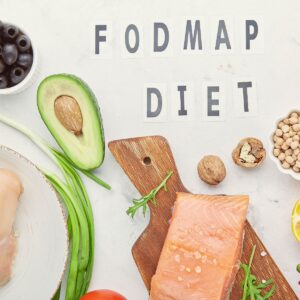
A temporary low-FODMAP approach may reduce bloating and gas in some people by limiting certain fermentable carbohydrates.
However, it does not eradicate SIBO, and long-term unnecessary restriction may reduce dietary variety.
Ketogenic diets, fasting protocols, and extreme detox diets are not established treatments for SIBO and should not be assumed to work better.
- Consider Antioxidant Support When Appropriate
Several nutrients and plant compounds are studied for their antioxidant and anti-inflammatory effects.
Examples include:
– N-acetylcysteine (NAC): Involved in the body’s production of glutathione, an important antioxidant.
– Milk thistle: Contains silymarin compounds investigated for liver health.
– Glutathione: Participates in cellular antioxidant defenses.
– Ginger: May help with nausea and certain digestive symptoms.
– Quercetin: A plant compound being studied for its effects on inflammation.
– Vitamin C: Supports antioxidant defenses and normal immune function.
Research on these substances does not establish that they prevent SIBO die-off.
Supplement doses should be selected according to individual needs, medications, and medical history rather than combining multiple high-dose products.
- Support the Body’s Natural Elimination Processes
Your liver, kidneys, and digestive tract already work continuously to process and eliminate waste.
You can support their normal function by:
– Eating adequate protein and a balanced diet.
– Including vegetables such as broccoli, cabbage, kale, and Brussels sprouts as tolerated.
– Drinking sufficient water.
– Maintaining regular bowel movements.
– Exercising and sleeping consistently.
– Limiting alcohol and avoidable exposure to harmful substances.
Good ventilation and reducing unnecessary exposure to smoke or environmental pollutants are sensible health measures.
When Should You Avoid Binders?
Extra caution is needed if you:
– Are pregnant or breastfeeding.
– Have kidney disease.
– Take regular prescription medications.
– Have chronic constipation or suspected bowel obstruction.
– Have swallowing difficulties.
– Have an inflammatory or other significant bowel condition.
Seek medical assessment if you develop fever, persistent vomiting, severe abdominal pain, blood in the stool, dehydration, or symptoms that continue to worsen during treatment.
These should not be assumed to be harmless die-off reactions.
Final Thoughts: Do You Really Need a Binder During SIBO Treatment?
Binders are interesting because certain substances can attach to compounds inside the digestive tract and influence their absorption or elimination.
However, not all binders work the same way, and none has been established as an essential part of SIBO treatment.
If you feel worse during SIBO treatment, the priority is not automatically to add another supplement.
It is to understand whether your symptoms are coming from the treatment, constipation, food triggers, or an underlying digestive problem.
If you need more details about SIBO healing protocol, find below full episode on Dr.Fajer AlJumairi’s youtube channel: