

Blog
The Overlooked Vitamin B3: A NAD+ Precursor for Cellular Energy, Gut Health, and Healthy Aging

Oct
What if one of the secrets to maintaining your energy as you age lies in a form of vitamin B3?
As we get older, our cells become less efficient at producing energy and repairing everyday damage. This may contribute to fatigue, slower recovery, and changes in metabolism and brain function.
Scientists are now studying nicotinamide riboside (NR), a special form of vitamin B3 that helps the body produce a molecule called NAD+, which is essential for cellular energy and repair.
But can increasing NAD+ really slow aging and improve your health? Let’s explore what the science says.
What Is Nicotinamide Riboside (NR)?

Nicotinamide riboside is a form of vitamin B3 that the body can convert into NAD+.
Vitamin B3 comes in several forms, including niacin, niacinamide, NR, and related compounds such as NMN. They all contribute to the body’s ability to produce NAD+, although they follow different pathways.
NAD+ is essential for keeping your cells functioning properly.
It participates in hundreds of cellular reactions that help your body:
- Convert food into energy.
- Repair damaged DNA.
- Maintain healthy brain and muscle function.
- Regulate metabolism and immune activity.
- Respond to inflammation and cellular stress.
NAD+ also supports proteins called sirtuins, which help regulate cellular repair, metabolism, and responses to aging.
Why Does NAD+ Matter More as We Age?
Think of your cells as tiny energy factories.
Inside each cell are structures called mitochondria, which convert nutrients into usable energy.
NAD+ helps these energy factories work by carrying electrons during the process that produces ATP, the body’s main energy molecule.
As we age, NAD+ levels can decline in certain tissues. Chronic inflammation, metabolic problems, and cellular damage may also affect how the body produces and uses it.
This has led researchers to investigate whether restoring NAD+ levels could support healthier aging.
NR vs. NMN vs. NAD+: What’s the Difference?
These three compounds are often discussed together, but they are not identical.
NAD+: The molecule your cells need for energy production and repair.
Nicotinamide Riboside (NR): A form of vitamin B3 that the body converts into NAD+.
Nicotinamide Mononucleotide (NMN): Another compound the body can use to produce NAD+.
Both NR and NMN are considered NAD+ precursors, meaning they provide the building blocks needed to produce NAD+.
Oral NR has been shown to increase NAD+ levels in human blood, making it an interesting option for researchers studying cellular health.
6 Potential Benefits of Nicotinamide Riboside
1. Supports Cellular Energy Production
Feeling tired is not always about how much you sleep. Your body’s ability to produce energy also matters.
NAD+ plays a central role in converting carbohydrates, fats, and proteins into ATP.
By increasing NAD+ availability, NR may support the cellular processes involved in energy production.
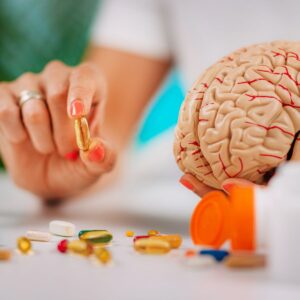
2. May Support Brain Health and Memory
The brain needs a continuous supply of energy to support concentration, learning, and memory.
NAD+ is involved in maintaining brain-cell function and repairing cellular damage.
Animal studies suggest that NR may:
- Reduce certain signs of brain inflammation.
- Support communication between brain cells.
- Improve memory and learning in experimental models.
- Protect cells against some forms of age-related damage.
Small human studies, including research involving Parkinson’s disease, have shown that NR can influence NAD+ levels and certain biological markers.
However, it has not been proven to prevent Alzheimer’s disease, Parkinson’s disease, or age-related memory loss.
3. May Support Healthy Metabolism and Blood Sugar Regulation
NAD+ helps regulate how cells use glucose and fats for energy.
Researchers are studying whether NR could improve metabolic health in people with insulin resistance, obesity, or other metabolic conditions.
Animal studies suggest that increasing NAD+ may improve mitochondrial activity and protect against some effects of high-fat diets.
In humans, the results are less consistent. Although NR increases NAD+ levels, improvements in insulin sensitivity, body weight, and fat metabolism have not been reliably demonstrated.
NR should therefore not be considered a proven weight-loss supplement or treatment for diabetes.

4. May Support Heart and Blood Vessel Health
Healthy blood vessels need to remain flexible so blood can circulate efficiently.
NAD+ supports cellular processes involved in blood vessel function and responses to oxidative stress.
A small human study found that NR supplementation may improve certain measurements of blood pressure and arterial stiffness, particularly in some older adults.
These findings are promising, but larger trials are needed to determine whether NR meaningfully reduces cardiovascular risk.
5. Supports Cellular Repair and Healthy Aging
Every day, our cells experience damage from normal metabolism, environmental exposure, and inflammation.
NAD+ helps activate proteins involved in DNA repair and cellular maintenance.
It also supports sirtuins, which regulate how cells respond to stress and changes in energy availability.
In animal studies, NR supplementation has improved several markers associated with cellular aging.
6. May Influence Gut Health and the Microbiome
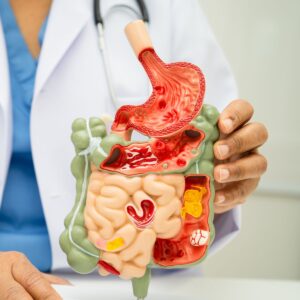
One of the most interesting areas of research is the relationship between NAD+ and the gut microbiome.
Gut bacteria use NAD-related molecules for their own energy production and cellular functions. Some microorganisms can also contribute to the body’s vitamin B3 and NAD metabolism.
Researchers believe NAD+ may influence gut health through several pathways:
- Microbial metabolism: NAD-related compounds participate in the energy processes that bacteria need to survive.
- Immune regulation: NAD+ helps regulate immune responses that influence the intestinal environment.
- Intestinal movement: NAD-related signaling has been linked to intestinal muscle activity.
- Bile acid metabolism: NAD-dependent processes contribute to the production of bile acids, which help digest fats and influence bacterial growth.
Animal research has also found changes in certain gut bacterial populations following NR supplementation.
How Much Nicotinamide Riboside Should You Take?
NR supplements are available as capsules, tablets, and powders.
Common supplemental amounts: 250–500 mg daily.
These are studied or commercially used amounts, not established medical doses for preventing aging or treating chronic disease.
NR has generally been well tolerated in short-term clinical trials, but the long-term benefits and safety of prolonged high-dose supplementation remain uncertain.
Consult a healthcare professional before taking NR, particularly if you have a chronic medical condition, take regular medications, or are pregnant or breastfeeding.
How to Support NAD+ Naturally
You do not necessarily need a supplement to support the body’s NAD+ metabolism.
Several everyday habits help maintain the cellular processes that depend on it.
- Eat vitamin B3-rich foods. Include fish such as salmon, sardines, and tuna, along with poultry, mushrooms, peanuts, and whole grains.
- Exercise regularly. Physical activity supports mitochondrial health and helps cells use energy more efficiently.
- Follow an anti-inflammatory diet. Prioritize vegetables, fruits, healthy fats, and minimally processed foods while limiting excessive added sugar and highly processed foods.
- Maintain healthy sleep habits. Regular sleep supports normal metabolic rhythms and cellular recovery.
- Avoid alcohol. Alcohol metabolism places additional demands on NAD-related pathways.
- Consider appropriate meal timing. Fasting and calorie restriction influence NAD-related pathways in experimental research, but fasting is not necessary or suitable for everyone.
Fermented foods may also support microbiome diversity, although eating them has not been shown to directly increase NAD+ levels.
Side Effects and Safety Precautions
NR appears generally well tolerated in short-term human studies.
Possible side effects include mild nausea, digestive discomfort, headache, or other individual reactions.
It is important to distinguish NR from high-dose niacin. Although both belong to the vitamin B3 family, they do not have identical side-effect profiles.
High-dose niacin can cause flushing, changes in blood sugar, liver injury, and other complications. These effects should not automatically be attributed to NR.
Because long-term NR safety data remain limited, people with significant liver or kidney disease, active cancer, or complex medication regimens should seek medical advice before supplementation.
Final Thoughts: Is NR Worth Taking for Healthy Aging?
Nicotinamide riboside is one of the most interesting compounds being studied in the field of cellular health and longevity.
Its main strength is clear: NR can increase NAD+ levels, a molecule essential for energy production, DNA repair, and normal cellular function.
Research also suggests potential benefits for brain health, metabolism, cardiovascular function, and the gut microbiome.
However, most of these benefits are still being investigated, and increasing NAD+ does not automatically translate into better health outcomes.
For now, NR is best viewed as a promising supplement rather than a proven anti-aging solution.
The foundation of healthy aging remains the same: balanced nutrition, regular movement, restorative sleep, and managing the factors that contribute to chronic inflammation.
Healthy aging begins by supporting the cells that keep your body functioning—not by relying on a single supplement.
If you need more information about how to support you health as a woman over 40, watch video below on dr. Fajer AlJumairi’s youtube channel: