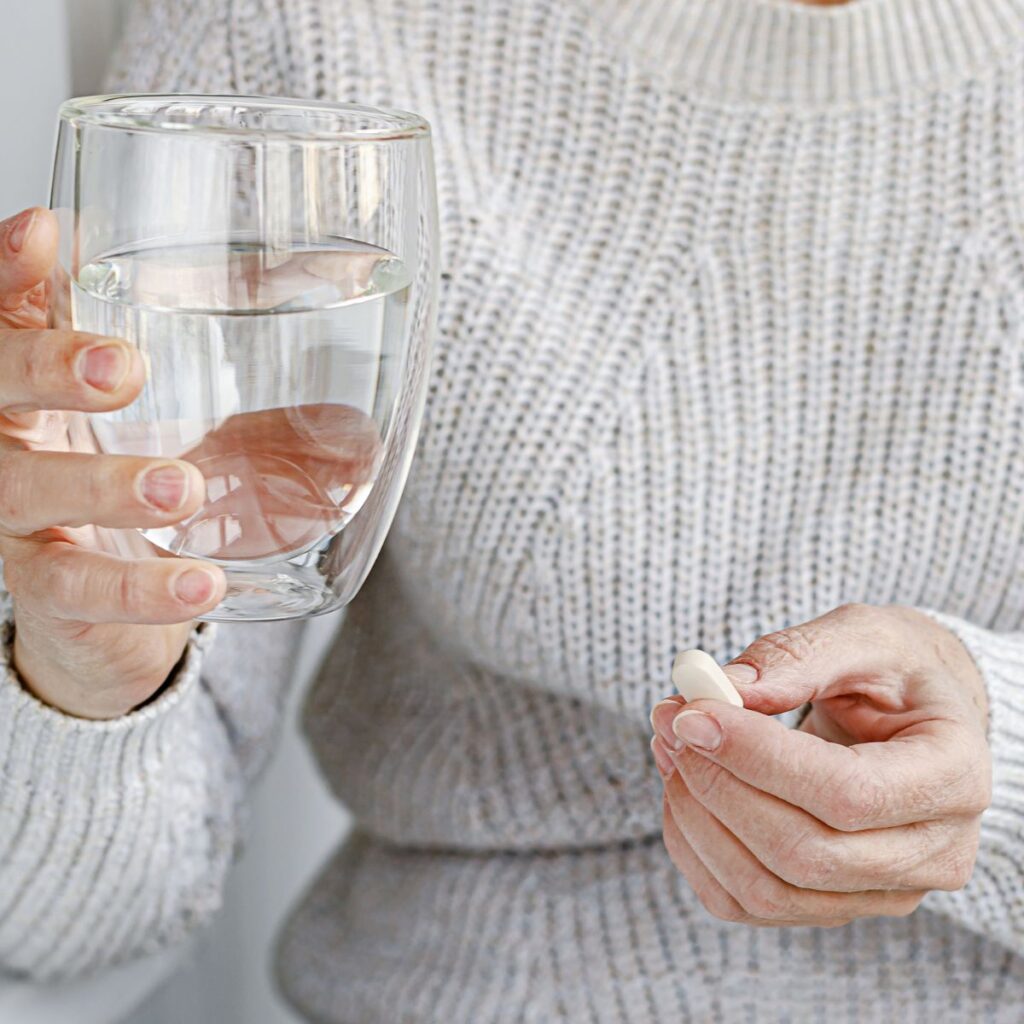
Turning 40 brings important changes to a woman’s body. As estrogen begins to fluctuate during perimenopause, maintaining muscle mass, bone density, energy, and hormonal balance becomes increasingly important. Although a nutrient-rich diet and regular exercise remain the foundation of healthy aging, certain supplements can help fill nutritional gaps, support brain function, preserve muscle strength, and…

Tag Archives: Women’s Health
What if one of the nutrients your body uses to build collagen could also help you sleep better? You may already be familiar with glycine, even without knowing its name. It is naturally found in collagen, bone broth, and protein-rich foods. It is also part of supplements such as magnesium glycinate. But beyond supporting skin…
Heavy periods are common, especially in women in their 30s and 40s, but they should not automatically be dismissed as “just part of getting older.” As women move toward perimenopause, hormone patterns become less predictable. Progesterone often declines first, while estrogen may fluctuate significantly. This can affect ovulation, the thickness of the uterine lining, and…
The uterus is a unique organ that combines muscular and glandular characteristics and has an exceptional ability to expand and regenerate. Despite this remarkable capacity, uterine fibroids are among the most common gynecological conditions, particularly during the reproductive years. Estimates suggest that a significant percentage of women may develop fibroids before the age of 50,…
Stress doesn’t only affect the brain. Intense physical stress, illness, inflammation, poor nutrition, and prolonged psychological stress can also affect the intestinal environment, increasing oxidative stress and potentially weakening the intestinal barrier. One nutrient receiving increasing attention for this connection is L-citrulline. Best known for supporting nitric oxide and circulation, L-citrulline is also closely connected…
The transition into menopause—often termed “the renewal phase” or “second spring”—is one of the most profound biological shifts a woman will experience. By 2030, an estimated 1.2 billion women globally will be navigating this transition. Yet, despite its universality, menopause remains widely misunderstood, leaving many women feeling unprepared for its systemic impacts. To optimize health…
In modern reproductive medicine, temporary delays in achieving pregnancy are frequently mischaracterized as chronic infertility. Clinically, a couple is only diagnosed with fertility challenges after one full year of consistent, unprotected intercourse without conception. Prematurely assuming fertility issues after only a few months can induce psychological stress, which counterproductively hinders reproductive capabilities. Optimizing fertility naturally…
For many women, the years after 40 come with unexpected symptoms that seem to appear “out of nowhere”: bloating, fatigue, stubborn weight gain, anxiety, poor sleep, food sensitivities, brain fog, skin flare-ups, and hormonal chaos. What many women do not realize is that these changes are often deeply connected to the gut microbiome. Groundbreaking…
Prolactin, commonly known as the milk hormone, is essential for preparing the mammary glands to produce milk during pregnancy and maintaining breastfeeding after delivery. While it plays a critical role in reproduction, abnormally high prolactin levels in women who are not pregnant—or even in men—may lead to several health issues affecting fertility, menstrual regularity, and…
Endometriosis is more than just a painful period. For millions of women globally—around 10–15% of those in their reproductive years—it’s a daily struggle that affects not just their menstrual health but also fertility, digestion, energy, and quality of life. And while conventional treatments often focus on pain relief or hormone suppression, many are turning to…
- 1
- 2