For decades, we thought our digestive system was only responsible for breaking down the food we eat. However, modern science has revealed that the trillions of tiny microbes living in our gut are constantly sending powerful chemical signals to the rest of our body. One of the most important signals they produce is a small…

Tag Archives: Leaky Gut
Small Intestinal Bacterial Overgrowth (SIBO) and Intestinal Methanogen Overgrowth (IMO) can sometimes be difficult to treat. A person may improve with rifaximin or herbal antimicrobials, only for symptoms to return—or their breath test may remain positive despite several treatment rounds. One possible explanation in persistent cases is biofilm formation. Biofilms act like a protective shield…
Heavy periods are common, especially in women in their 30s and 40s, but they should not automatically be dismissed as “just part of getting older.” As women move toward perimenopause, hormone patterns become less predictable. Progesterone often declines first, while estrogen may fluctuate significantly. This can affect ovulation, the thickness of the uterine lining, and…
Living with Multiple Sclerosis (MS) requires a comprehensive management plan. While no single diet has been proven to stop MS relapses or reverse disability on its own, adopting an anti-inflammatory eating pattern works as a powerful complement to traditional medical treatments. Proper nutrition supports your brain and immune system, optimizes energy levels, and helps create…
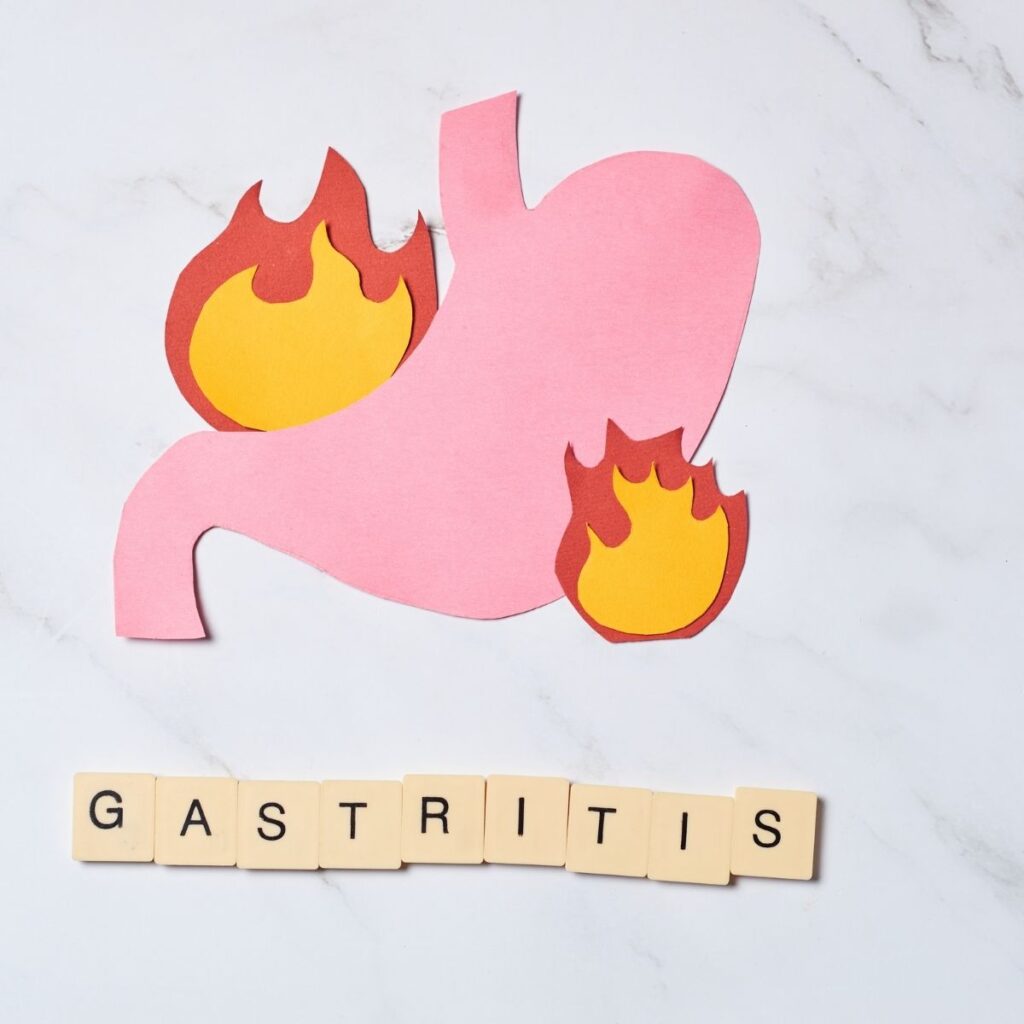
If you suffer from persistent abdominal pain, frequent bloating, or general fatigue, gastritis—inflammation of the stomach lining—may be one of the underlying causes. This condition can go beyond daily discomfort, and if left unmanaged, it may increase the risk of further health complications. In this article, we’ll take you step by step through natural, at-home…
The uterus is a unique organ that combines muscular and glandular characteristics and has an exceptional ability to expand and regenerate. Despite this remarkable capacity, uterine fibroids are among the most common gynecological conditions, particularly during the reproductive years. Estimates suggest that a significant percentage of women may develop fibroids before the age of 50,…
Stress doesn’t only affect the brain. Intense physical stress, illness, inflammation, poor nutrition, and prolonged psychological stress can also affect the intestinal environment, increasing oxidative stress and potentially weakening the intestinal barrier. One nutrient receiving increasing attention for this connection is L-citrulline. Best known for supporting nitric oxide and circulation, L-citrulline is also closely connected…
For decades, brewer’s yeast has been known simply as the ingredient used to make bread. But modern research is revealing a very different story. This tiny, single-celled organism is one of nature’s richest sources of B vitamins, high-quality protein, minerals, and beneficial compounds that can support everything from gut health and blood sugar balance to…
What Is Propolis? Propolis, often called “bee glue,” is a natural resinous substance produced by honeybees from plant resins, beeswax, and their own enzymes. Bees use it to protect and disinfect their hives, preventing the growth of harmful microorganisms. For centuries, propolis has been used in traditional medicine, and today it is recognized as a…
What Is MSM? Methylsulfonylmethane (MSM) is a naturally occurring organic sulfur compound found in small amounts in foods such as leafy green vegetables, onions, garlic, eggs, fish, meat, coffee, and milk. It is also present naturally in the human body. Sulfur is the fourth most abundant mineral in the body and is essential for hundreds…